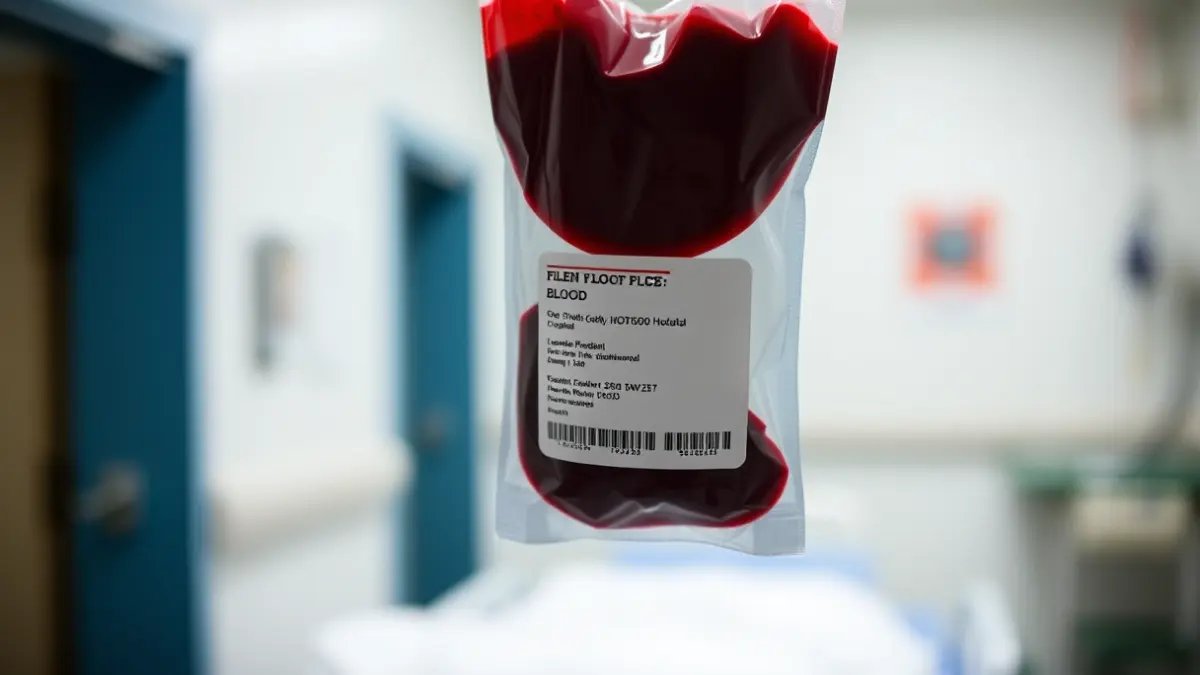
This initiative aims to collect donations from both residents in the hospital's influence area and its staff. The hospital's Blood Bank, located on the ground floor, will be open for extended hours, from 8:30 AM to 9:00 PM, to facilitate donations.
The promotional campaign for this event benefits from the valuable collaboration of 3rd and 4th-year ESO students from IES Altaír de Getafe. These students have developed a solidarity-based Learning and Service Project, receiving specific training from the Community of Madrid Transfusion Center on the history of blood donation and blood type detection. Subsequently, they designed the poster and slogan for the initiative, and developed a program of promotional activities.
“"Blood donation is necessary to ensure its availability at any time and place it is required, and that safe blood saves lives, thanks to the generosity and altruism of citizens."
To encourage participation, donors in the 29th marathon will be entered into a raffle for two baskets of beauty and summer products from El Corte Inglés, gifts and official Getafe C.F. jerseys, and 20 tickets to the Aquópolis de Villanueva de la Cañada Water Park. These rewards are made possible through the collaboration of the aforementioned companies and the football club.
The management of the University Hospital of Getafe and the Community of Madrid Transfusion Center emphasize the importance of regular donations to maintain the necessary reserves for patient treatment. Requirements for donating include being between 18 and 65 years old, weighing over 50 kilograms, not having suffered from blood-borne transmissible diseases, passing a basic medical check-up, and not fasting.