Driven by the Ministry of Transport and Sustainable Mobility through Adif, this project is part of the Madrid Commuter Rail Plan and aims to improve connectivity in the northern area of the municipality.
In recent weeks, the main building's structure and roof have been completed, along with crucial work on the railway network, including track adaptation, electrical systems, and signaling. These advancements mark the infrastructure's entry into its definitive phase before its opening.
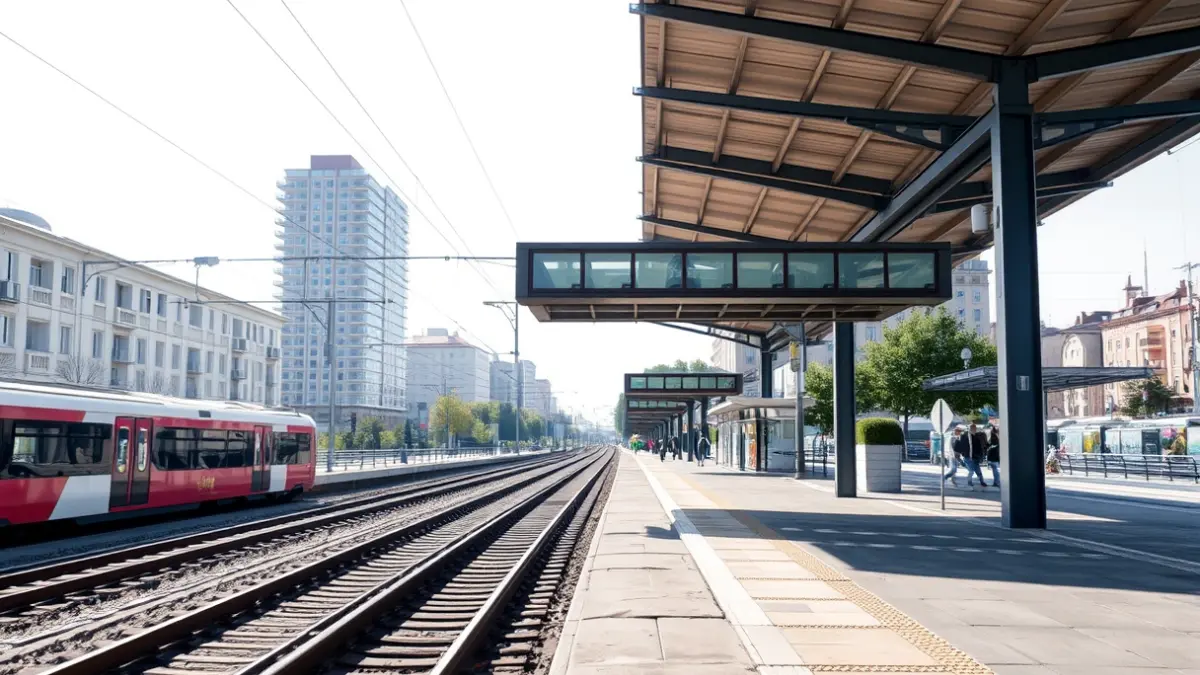
The station will feature a single-story passenger building, approximately 450 square meters, housing the lobby, operational offices, restrooms, and technical areas. From there, access will be provided to two platforms, each 225 meters long and over six meters wide, partially protected by a 100-meter canopy and equipped with shelters for users.
Connection between platforms will be via an accessible underground passage, including elevators and stairs. This infrastructure has already been executed using a construction system that allowed its installation under the tracks without interrupting rail traffic.
Currently, work is focused on the building's finishes, such as flooring, partitioning, cladding, and interior installations. Progress is also being made on platform access and equipment, with the installation of elevators, enclosures, and conduits. The definitive placement of canopies, signaling, and passenger protection elements is still pending.
In the station's vicinity, urbanization efforts are underway to improve pedestrian accessibility and integration with the city, in collaboration with the Pinto City Council. Basic networks like sanitation, irrigation, and planting have been completed, and the incorporation of lighting, signage, and urban furniture is planned. The design also includes spaces for sustainable mobility, such as areas for bicycles, scooters, or electric motorcycles, and temporary parking zones for vehicles.
Once construction is finished, Renfe will provide the necessary equipment for the station's operation. Subsequently, an opening authorization will be requested from the State Railway Safety Agency. The project is funded by the European NextGenerationEU program, as part of the Recovery, Transformation, and Resilience Plan.