The Plan 40-40, presented by the president of the Community of Madrid, Isabel Díaz Ayuso, represents the most ambitious project for transforming care infrastructure in the region's history. The initiative foresees the creation of 40 care homes and 40 day centers, with a total investment exceeding 500 million euros, through a public-private collaboration model.
Of the total 8,000 places, at least 40% (equivalent to 3,200 places) will be allocated to the public network. The remaining places will be private, accessible through the service voucher system, an economic benefit from the System for Autonomy and Dependency Care.
“"We are expanding the care offering without burdening the taxpayer with the full cost, because we would not be able to build so many hospitals, reform so many works, and continue growing at the speed required by a region like ours."
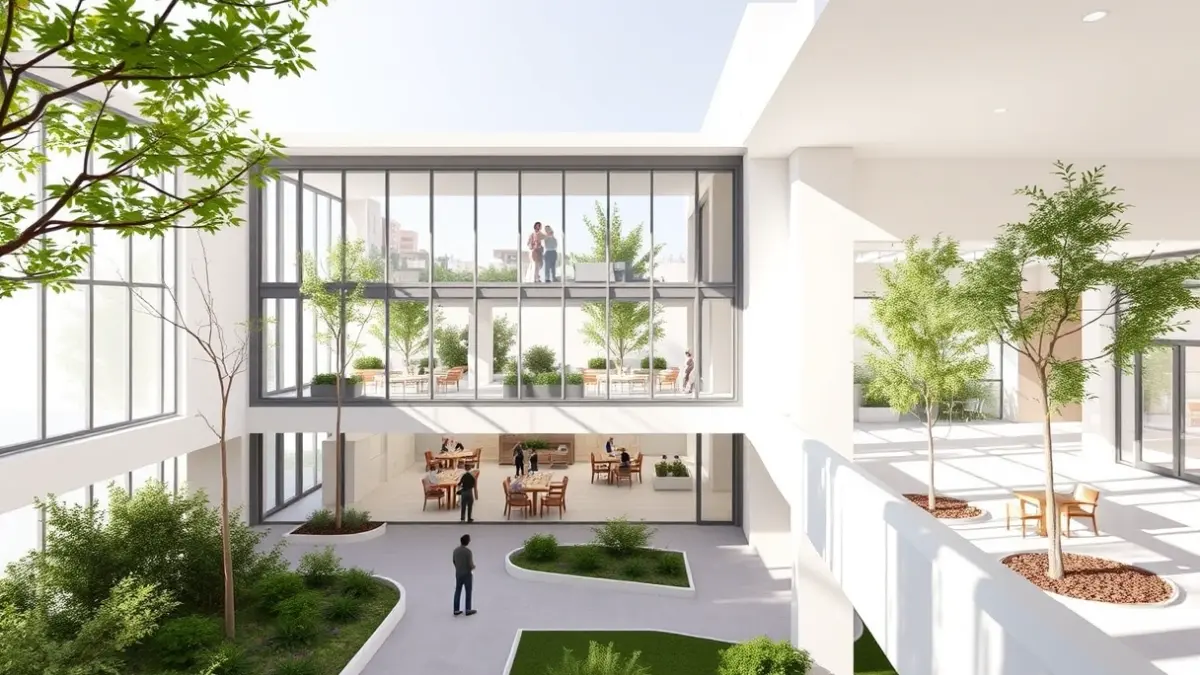
The new facilities will be designed in reduced cohabitation units, seeking to replicate a home environment with kitchens, common areas, and customizable rooms. Each resident will have an individualized care plan and a reference professional. Advanced technology, such as telemedicine, motion control systems, and ceiling hoists, will be key for care and rehabilitation.
In the capital, 20 residential complexes will be built across 13 districts, including San Blas-Canillejas, Vicálvaro, Hortaleza, Fuencarral-El Pardo, Carabanchel, Moncloa-Aravaca, Usera, Villaverde, Villa de Vallecas, Moratalaz, Barajas, Puente de Vallecas, and Ciudad Lineal. Additionally, another 20 care homes and 20 day centers will be opened in municipalities such as Leganés, Móstoles, Alcorcón, Humanes de Madrid, Arroyomolinos, Brunete, Boadilla del Monte, Moralzarzal, Colmenar Viejo, Tres Cantos, San Sebastián de los Reyes, Alcobendas, Alcalá de Henares, Torrejón de Ardoz, Rivas-Vaciamadrid, Arganda del Rey, Valdemoro, and Aranjuez.
The plan also includes specialized units for people with mental health issues, Alzheimer's, intellectual disabilities in premature aging, and temporary places for post-hospital recovery and family caregiver respite. Spaces for elderly parents and children with intellectual disabilities will be included, promoting their autonomy. The care homes will feature extensive gardens and outdoor areas, along with programs to combat loneliness, such as intergenerational initiatives with nurseries.