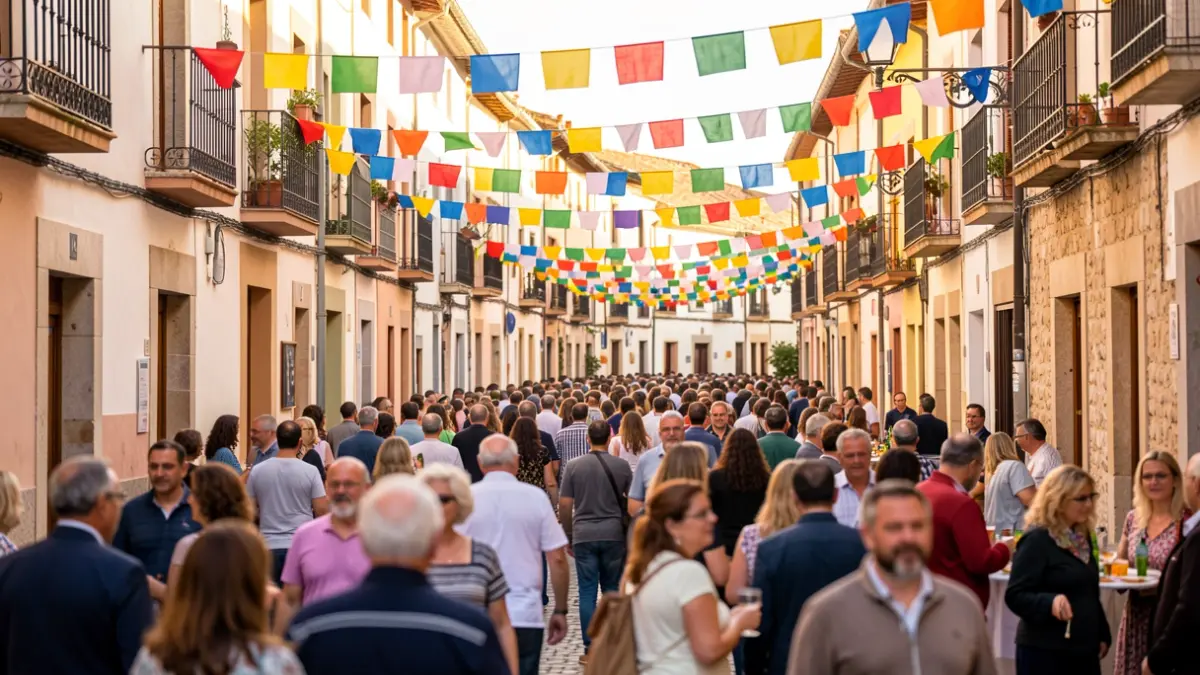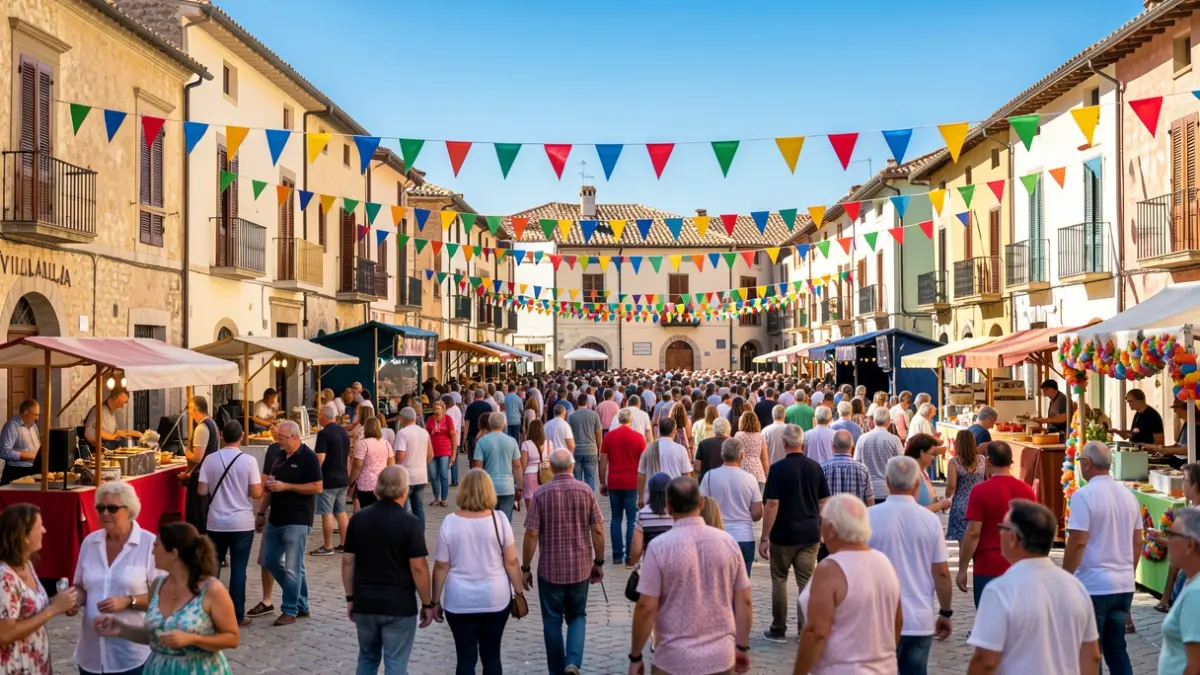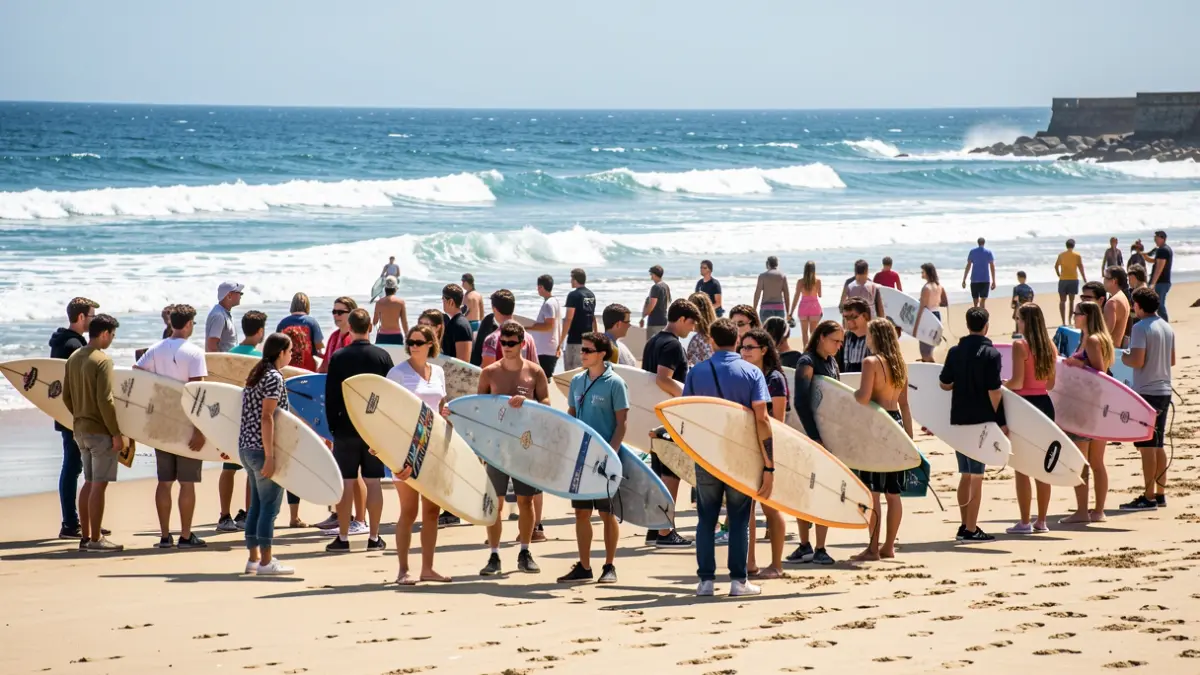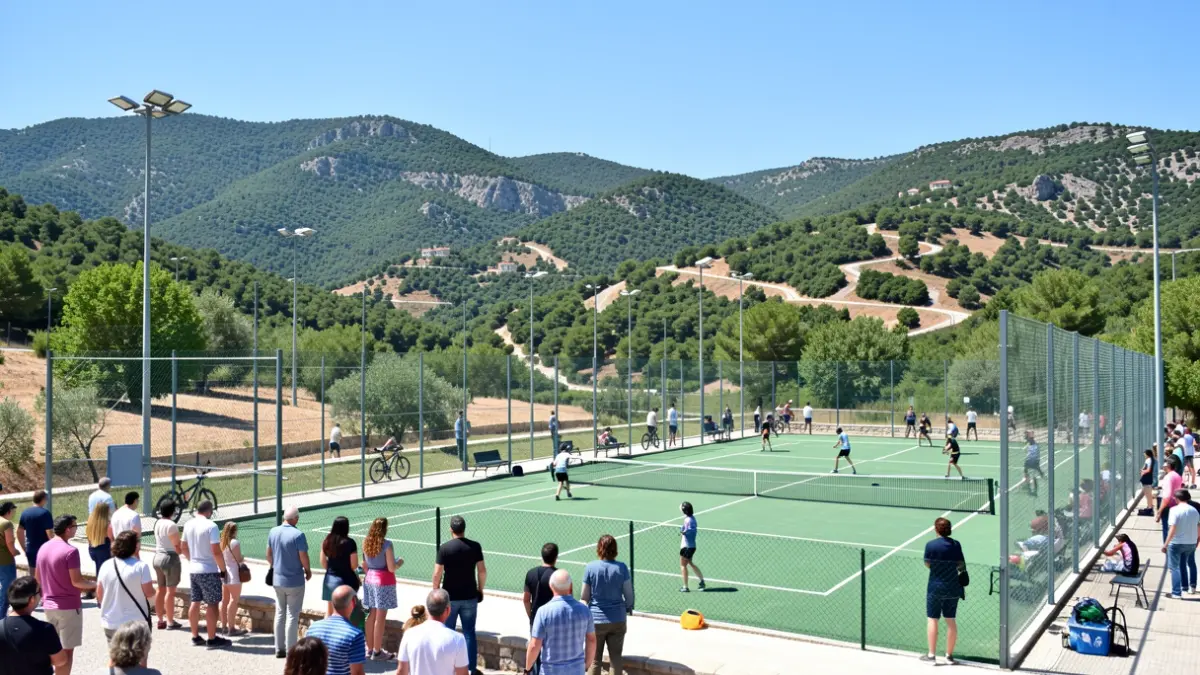
The Sierra de Madrid has experienced a significant demographic and structural transformation over the last decade. The migration of urban residents seeking a better quality of life has fostered the growth of a robust network of sports clubs. Disciplines such as padel, mountain biking, trail running, and regional football have become cornerstones of community and commercial activity in these municipalities.
Interest in local competitions has grown considerably, extending into the digital consumption sphere. Sports analysis platforms and entertainment ecosystems are observing a steady increase in interaction and statistical tracking of regional tournaments. This phenomenon highlights how local clubs are creating their own consumer market with high user retention.
The expansion of these sports entities generates a multiplier effect on the area's economy. Direct job creation for roles like coaches and managers, the revitalization of commerce and hospitality during competition weekends, and investment in sports infrastructure are key areas of impact.
Data supports this trend: an 18% year-on-year growth in federative licenses is recorded in the northern and northwestern areas of the Community of Madrid. Local athletes invest an average of 600 euros annually in memberships and equipment, and over 25% of rural tourism revenue in the region directly stems from sports events.
Beyond financial metrics, these organizations serve as a social integration system, particularly for new residents. Youth sports schools are a crucial factor in retaining population, as families seek locations offering structured leisure activities for children.