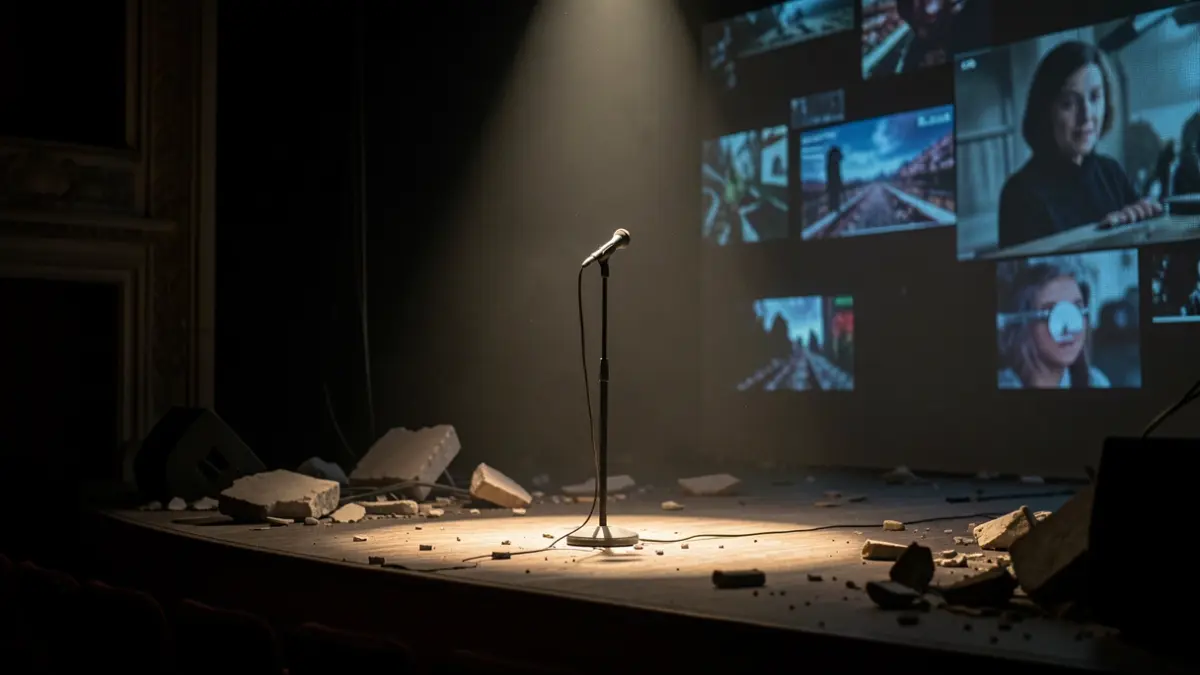
The theatrical production "La redención" by renowned novelist, poet, and playwright Ana Merino presents a disturbing vision of the near future. The play doesn't just imagine a world devastated by accumulated trash, dead seas, and survival protocols, but aims to make the audience recognize something all too familiar in this toxic landscape: emotional solitude and the desperate wait for a miracle amidst slow decay.
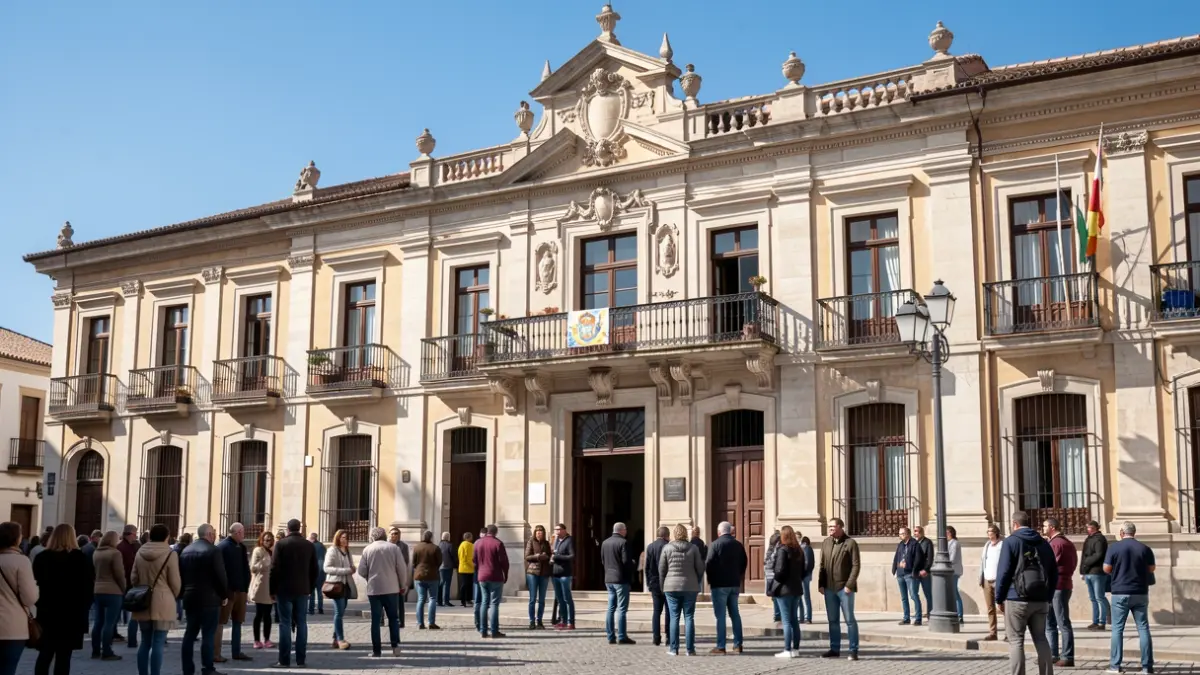
Despite its somber theme, the work avoids cynicism, making it a unique piece. On May 23rd, the Real Coliseo Carlos III in San Lorenzo de El Escorial will host this new scenic version. Originally written by Merino in 2016, "La redención" returns transformed into an immersive, sensory, and profoundly contemporary experience. The author, winner of the Premio Nadal in 2020 for "El mapa de los afectos," not only penned the text but also took on directing and production, integrating this triple responsibility into the narrative itself.
Merino, who developed much of her academic and literary career in the United States, has spoken about the challenges within the Spanish theatrical ecosystem. "It's very complicated to undertake projects in Spain," she admits, referring to the barriers in integrating into networks of independent and public theaters. Despite these obstacles, the author persevered, rewriting the text from a stage perspective to adapt it into pure theater, rather than an adaptation of a novel.
The plot is set in a future where humanity survives surrounded by toxic waste following a global ecological collapse. The action unfolds in garbage treatment plants, marginal places where those without alternatives work. The arrival of an inspector and her assistant to oversee one of these plants triggers the story, particularly through Isabela, a worker convinced of the arrival of extraterrestrials to save the Earth.
Merino describes the play as an "emotional map" beneath a dystopian aesthetic, where science fiction serves as a backdrop to explore "human cracks," pollution, and above all, loneliness. "There are five characters who feel in completely different ways," explains the author, highlighting the introspective focus on emotions and interpersonal relationships, beyond the environmental theme.
The staging complements the text with video art, sound design, and bodily theatricality, creating an immersive atmosphere that emotionally extends the characters' inner landscape. The collaboration with dancer and theatrical specialist Paloma Díaz was key to developing the physical dimension and scenic rhythms, defining each character's physicality and breathing within the space.
The play moves between the poetic and the unsettling, the intimate and the apocalyptic, avoiding moralizing and focusing on human fragility. "In the worst-case scenario, humans have the capacity to continue feeling, thinking, expressing ideas, and seeking redemption," states Merino. "La redención" offers no easy solutions or naive hope, but rather the complex possibility of remaining human even when the world seems uninhabitable, functioning as an uncomfortable, beautiful mirror full of unresolved questions.