The notion that plants "listen" has evolved from an eccentricity to a fascinating field of study. Recent botanical research suggests that vegetables, although lacking ears, are sensitive to air vibrations, such as those produced by the human voice.
Notable studies, including one from the University of Missouri, demonstrated that plants activate their defense mechanisms upon hearing the sound of caterpillars chewing leaves, reacting to the vibration of danger. Experiments in Tel Aviv have also observed that some flowers increase their nectar production when detecting the buzz of bees, thereby optimizing their reproduction.
An experiment by the British Royal Horticultural Society even found that tomato plants grew more when exposed to human voices, with slightly greater growth associated with female voices, possibly due to their softer frequency. This indicates a response to vibrational stimuli rather than a preference.
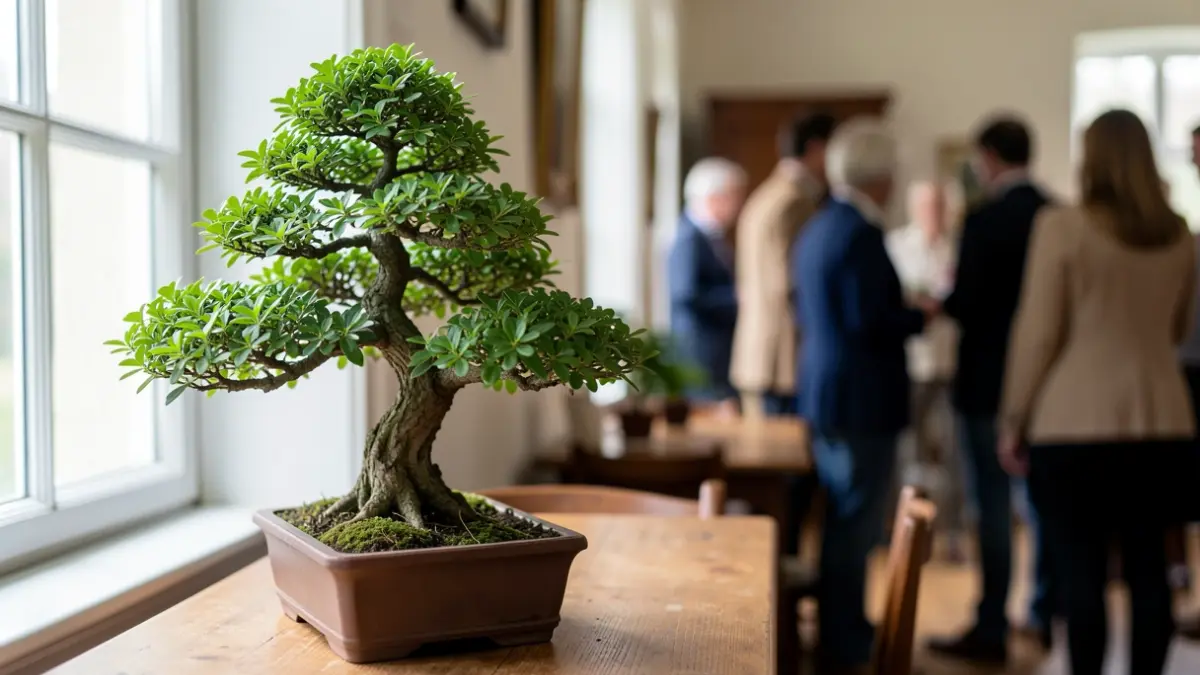
Regarding a bonsai, voice vibrations can subtly influence its physiology. However, the act of speaking to it encourages more attentive care from the owner, establishing mutual attention. Bonsai trees, which prefer indirect light and stability, thrive in serene environments.
Speaking to a plant does not humanize it, but rather humanizes the speaker, reminding us that life responds without the need for words. A bonsai, though immobile, reacts to sounds and vibrations, receiving companionship and care. In a fast-paced world, these plants serve as a reminder of slow living and silent connection.