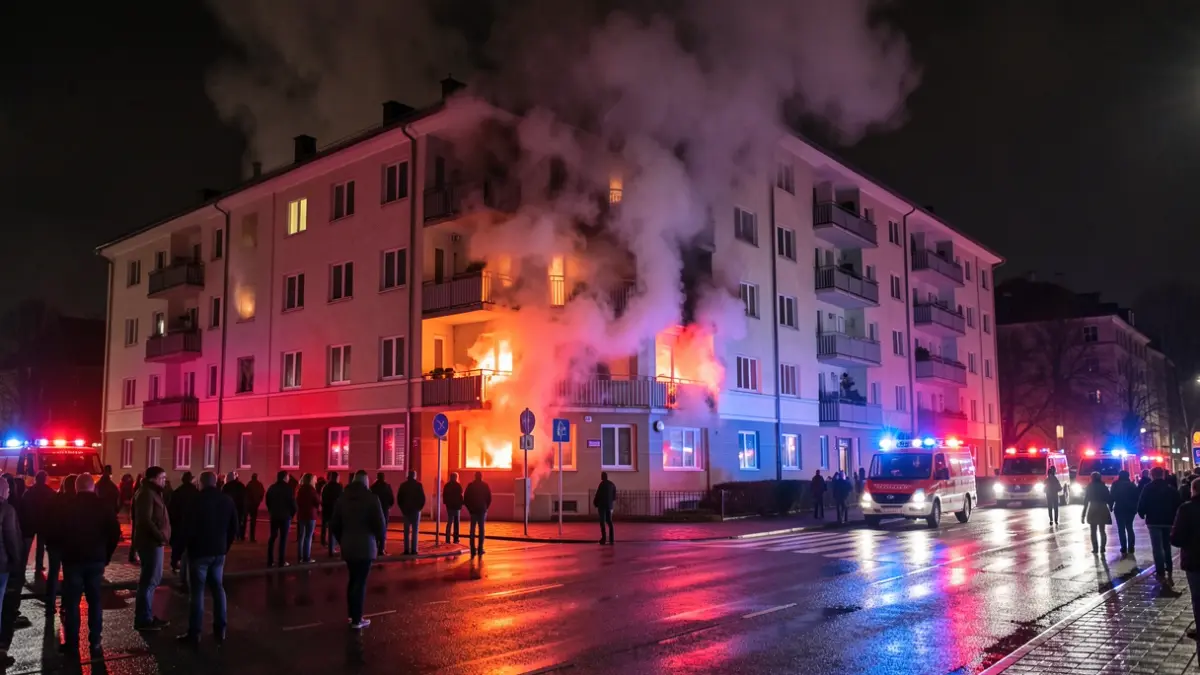
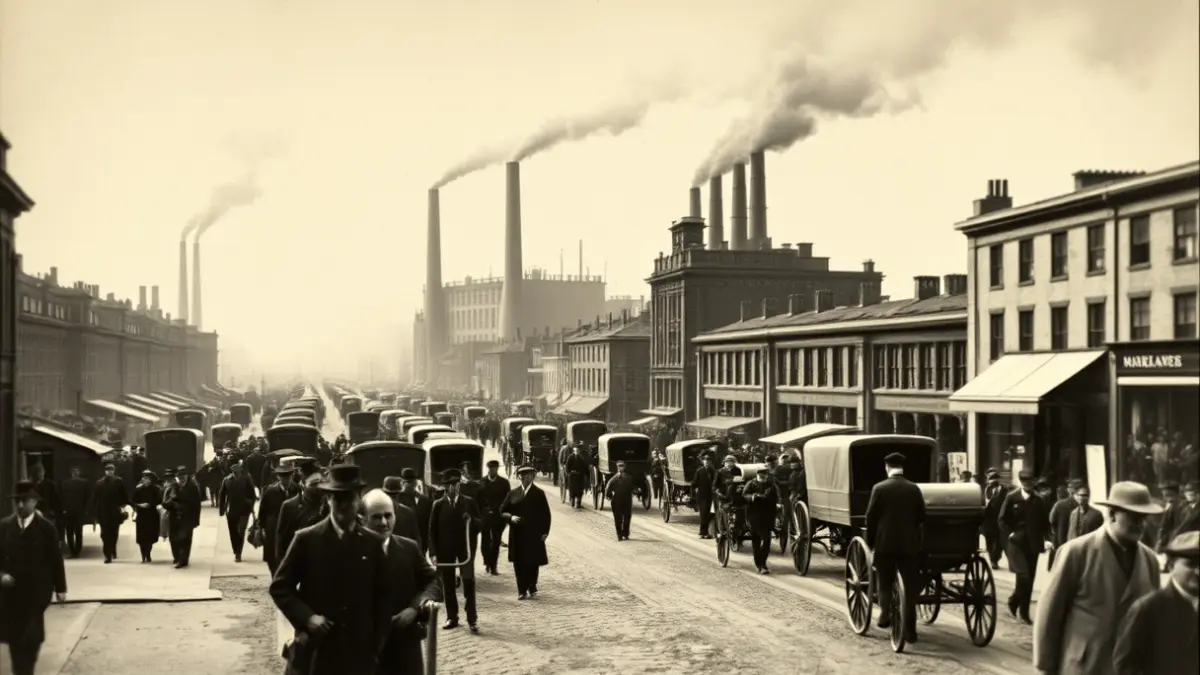
This day, now perceived as a well-established tradition, has a much more complex and distant origin than many imagine. Its genesis is located in Chicago, in the year 1886, when the Federation of Organized Trades and Labor Unions of the United States called for a national strike. The main objective was the establishment of the eight-hour workday, a demand that employers refused to meet despite the existence of a law regulating it.
The choice of May 1st was not accidental; it represented an ultimatum. Three days later, on May 4th, the situation escalated with the Haymarket Affair, a tragic event that resulted in deaths, injuries, and a controversial trial. Eight unionists were convicted without conclusive evidence, and five of them were executed, becoming known as the Haymarket Martyrs.
The history of May 1st is a reminder that labor rights are not a gift, but a conquest that cost lives and sacrifices.
Paradoxically, the United States never adopted May 1st as its labor holiday. The then-president, Grover Cleveland, fearing the strengthening of the socialist movement, moved the celebration to the first Monday of September, known as Labor Day. It was the Second International, meeting in Paris in 1889, that decided to honor the Haymarket Martyrs and establish May 1st as International Workers' Day, a date that Europe and Latin America enthusiastically adopted.
Throughout history, May 1st has been a date of tensions and adaptations. After World War II, socialist countries turned it into a symbol of working-class strength, while in the West, some governments sought to “neutralize” its protest-oriented nature. A notable example was Pope Pius XII's decision in 1955 to designate May 1st as the feast day of Saint Joseph the Worker.
The Chicago strike also stood out for its deeply immigrant character, with a large majority of newly arrived European workers fighting for their dignity. In Spain, the date took decades to consolidate as a national holiday, being a monitored and often repressed day during the Franco regime, although the regime organized its own “domesticated” version.