PCR tests for Spanish passengers affected by the hantavirus outbreak on the cruise ship MV Hondius are currently being analyzed at the National Center for Microbiology in Majadahonda. This facility is the only one in the country with the technical capability to process these specific biological samples.
Following the disembarkation of affected individuals and initial PCR testing at reference hospitals, samples were transported under strict security protocols to the Majadahonda laboratory for detailed examination.
“"This is the only center in the country with the technical capacity to analyze these types of samples. After the arrival of those affected in Spain, PCRs were carried out in reference hospitals and, subsequently, the biological samples were transferred under security protocol to the Majadahonda laboratory for analysis."
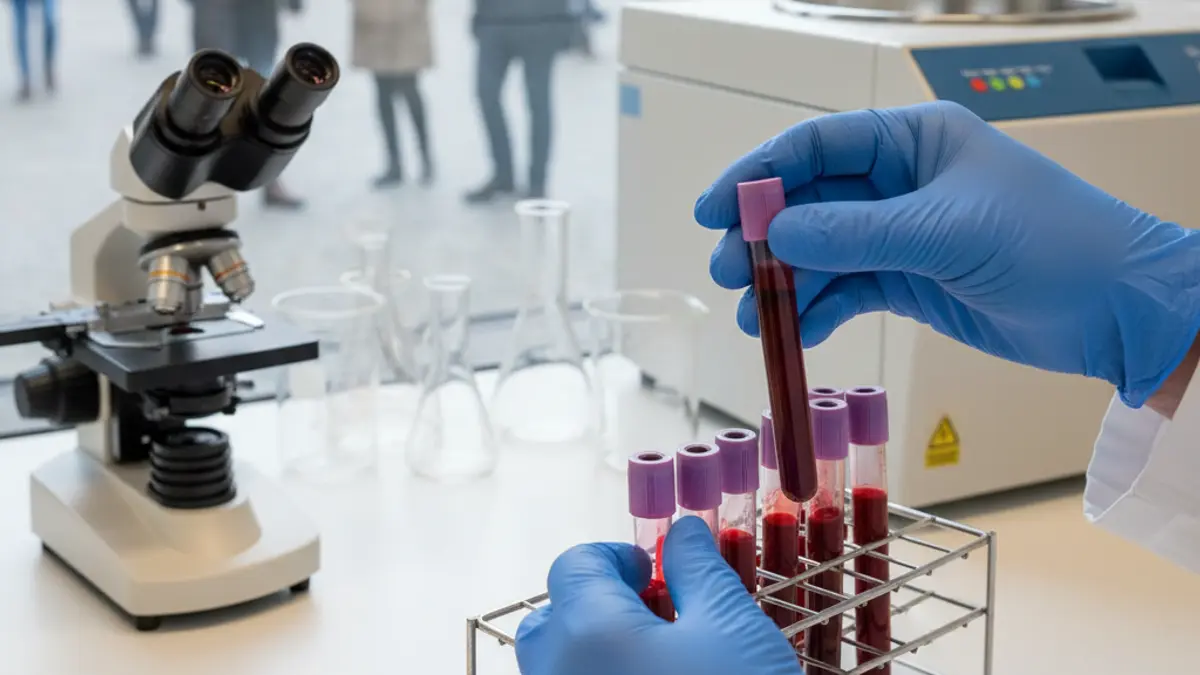
Unlike COVID-19 tests, hantavirus tests are conducted using blood samples to detect traces of the virus. Experts emphasize the high sensitivity of these tests, which can identify minimal amounts of the pathogen's genetic material.
Health protocols dictate that if a PCR test is negative but the patient exhibits symptoms, the test is repeated within 24 to 48 hours. For asymptomatic close contacts, the test is repeated after seven days to completely rule out infection, as hantavirus can maintain low viral loads during the initial days.
Although the cruise outbreak has brought hantavirus into the international spotlight, specialists note that this zoonotic virus, transmitted from animals to humans, has been studied for decades in countries like Argentina and Chile. The American variant of the virus can cause severe respiratory conditions.
“"The American variant, which is the one affecting us, is the most severe."
Despite the alarm generated, experts underscore that person-to-person transmission of hantavirus is less frequent compared to COVID-19, requiring much closer contact. Nevertheless, health authorities maintain active monitoring and surveillance protocols for passengers and close contacts.