The initiative, with an investment of nearly 200,000 euros for the next two years, will be managed by the company Adda Ops. Among the most notable innovations are the creation of ponds for amphibians, the installation of insect hotels, and the placement of nesting boxes for insectivorous birds and bats. These measures aim to enhance the biological control of species considered harmful, such as mosquitoes, and improve local biodiversity.
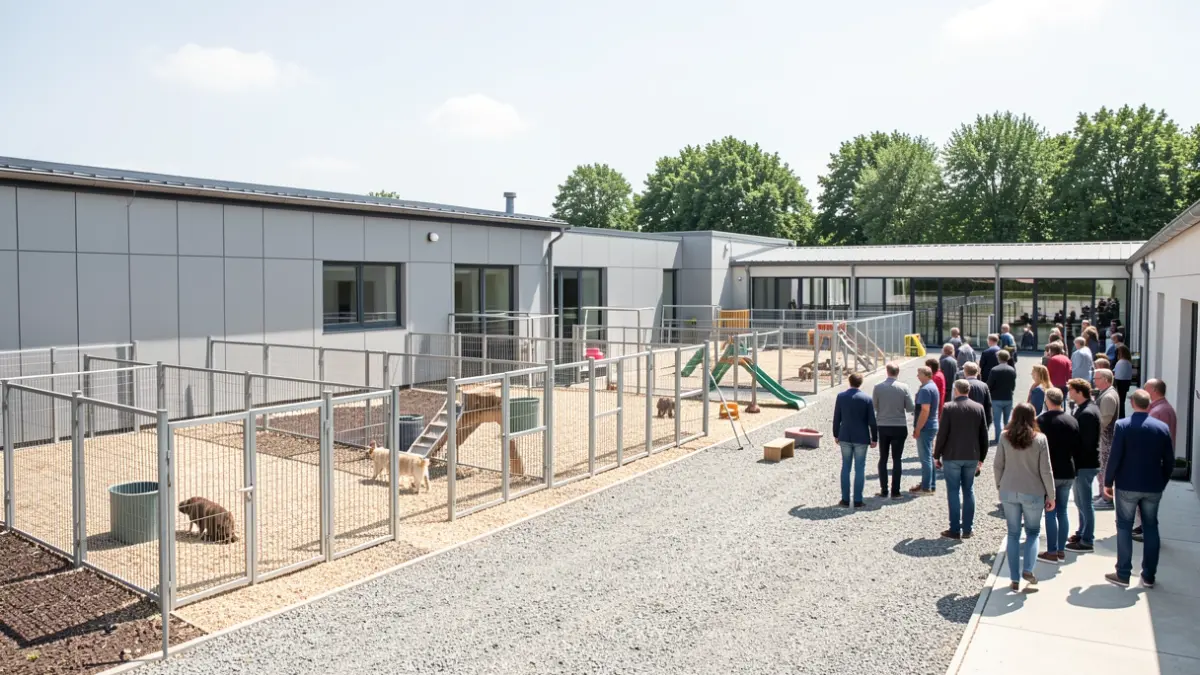
Currently, the municipality has 47 bird nesting boxes, 90 percent of which were occupied this spring, and six for bats. All these structures are mapped for continuous monitoring. Additionally, adjustments have been made to the aviary at Peñalba Park to improve the welfare of the birds displayed there, and a service for capturing and removing wild animals from homes has been added.
“"We had a family of eagle owls, which I think we are going to register, in one of the pine trees in the Arboleda de Villalba Pueblo urbanization and they have bred. Well, this is a pesticide effect, so to speak, for Argentine parakeets, and there are practically none in Collado de Villalba when it was a very invasive species."
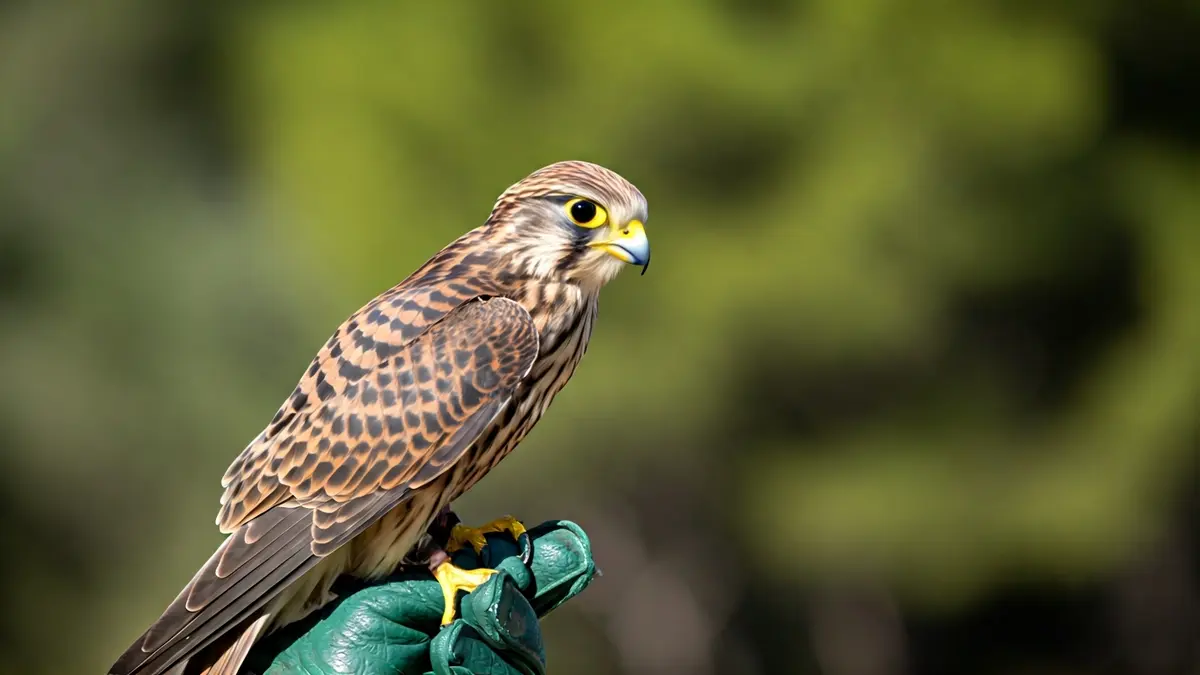
The program maintains control over invasive species such as the Argentine parakeet and the Nile goose, as well as wild species like wild boars, pigeons, and rabbits, to prevent overpopulation. In this context, raptors like Odin, a 700-gram male falcon, are trained to scare pigeons away from urban areas. The combined actions have significantly reduced damage caused by wild boars in urbanizations and parks.
In 2025, 40 wild boar specimens were captured, with three more added so far in 2026. Captures are carried out using cages with bait in forested perimeter areas, transferring the animals to a quarantine center. Emergency captures with remote anesthesia are also performed when wild boars enter urban areas. Passive measures include covering cat flaps, dog deterrence, and the use of acoustic and olfactory repellents, complemented by camera trapping to monitor the wild boar population.
“"Zero incursions do not exist because, obviously, in summer if they don't have food, they approach, but it is true that in the forest areas that connect the urban center, both in Villalba Pueblo and here (in Coto de Las Suertes), there are cages that, with bait, try to get them to enter there with that food and curb the incursion into the town."
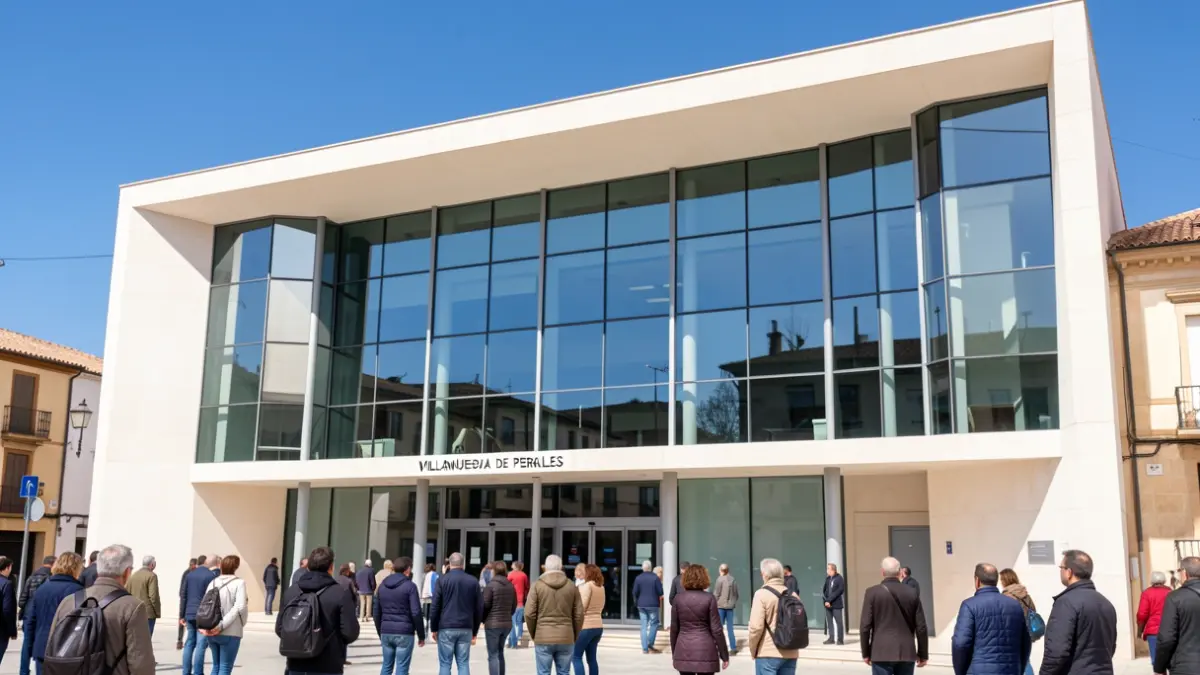
The Councillor for Environment, Adan Martínez, highlighted that the program, initiated in the previous legislature, aims to control wildlife for public safety and health, especially against pests or non-native species. Citizens can contact the Adda Ops Emergency Service (638 841 011) or the Local Police (91 850 54 53) if they detect loose wild boars. Mayor Mariola Vargas stated that these initiatives position Collado Villalba as the Capital of Nature, seeking a balance between respect for the environment and the safety of residents.