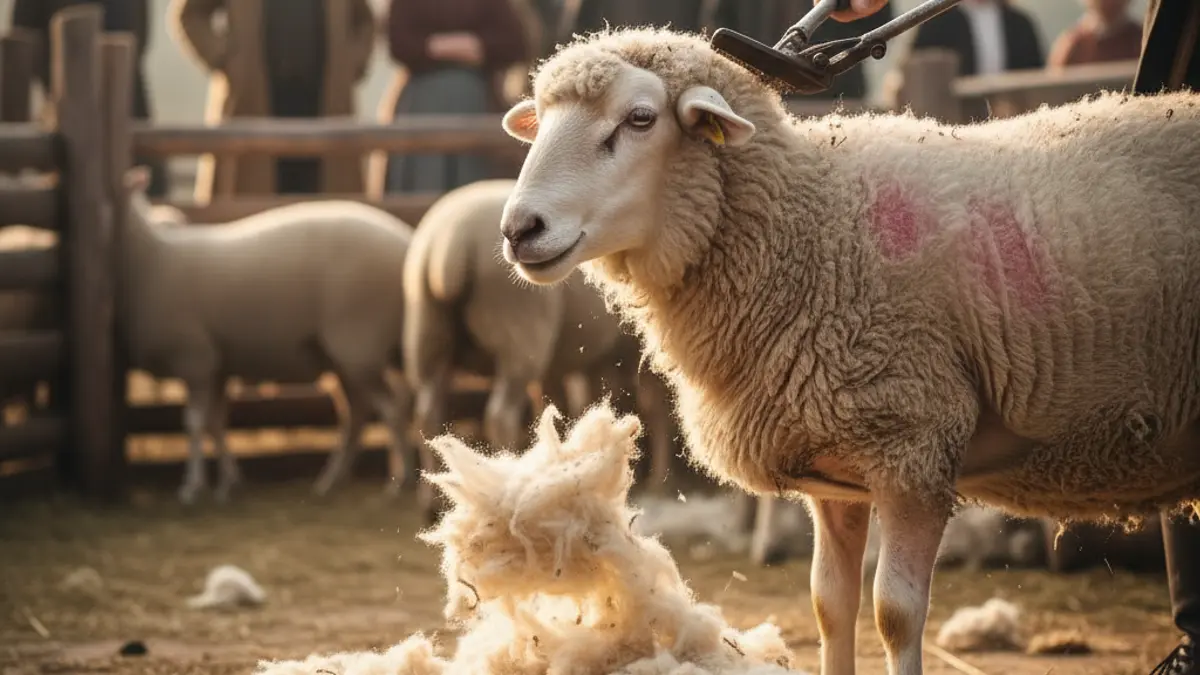
This annual practice, organized by the Madrid Institute for Rural, Agricultural and Food Research and Development, takes place at the experimental farms of La Chimenea, in Aranjuez, and at the Censyra center, in Colmenar Viejo. This time, specimens of the rubia de El Molar and negra colmenareña breeds, both native to the region and part of breeding and study programs, have been included.
The main objective of this intervention is to prevent health problems arising from high temperatures. Removing the wool reduces the risk of dermatological and parasitic conditions in the animals, while improving their ability to regulate body temperature during the warmer months. Additionally, shearing helps maintain the sheep's milk production, an important factor for the management of these livestock farms. Specialized professionals are responsible for adapting the process to the characteristics of each animal.
“"Removing the wool reduces the risk of dermatological and parasitic conditions in the animals, while improving their ability to regulate body temperature during the warmer months."
Beyond animal welfare, the Community of Madrid highlights the environmental value of these sheep breeds. Their presence in the territory contributes to the conservation of agricultural ecosystems by providing organic matter to the soil. Grazing also plays a crucial role in preventing forest fires, as the animals control vegetation growth and reduce the accumulation of fuel in the natural environment.
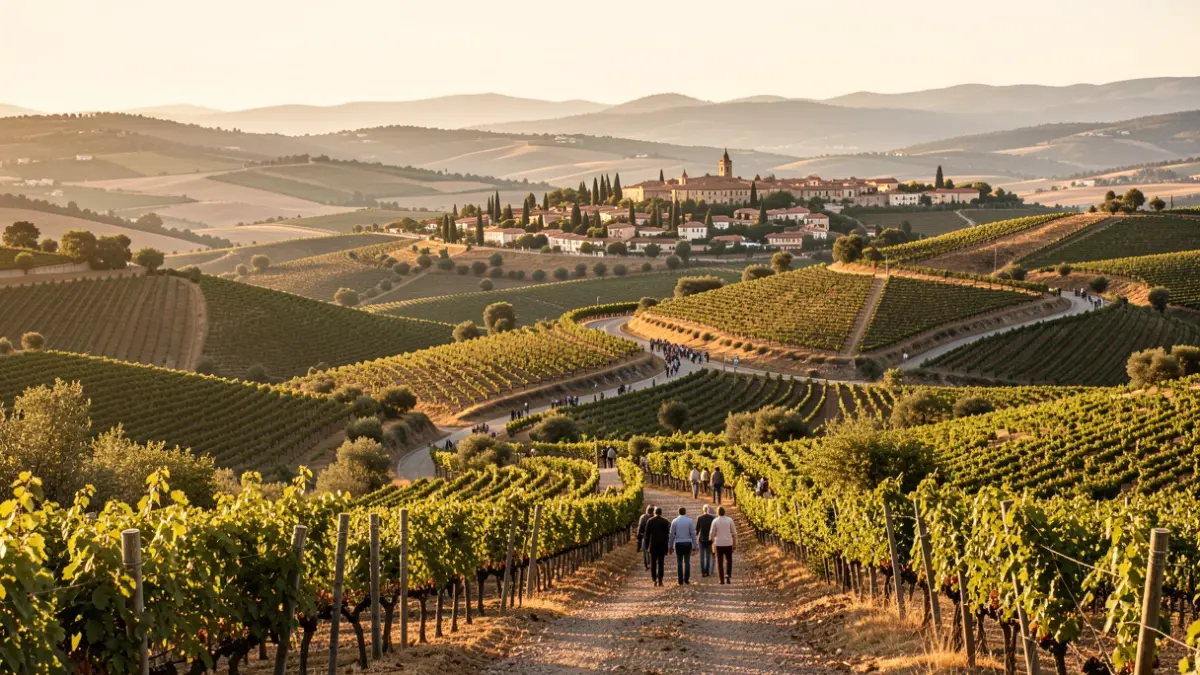
In parallel, the regional Executive has initiated the process to declare transhumance as an Asset of Cultural Interest of the Intangible Heritage of the Community of Madrid. This measure seeks to protect a traditional practice linked to the seasonal movement of livestock, including the safeguarding of a network of over 4,200 kilometers of drovers' roads that cross the region and, although in decline, are part of Madrid's cultural and environmental heritage.