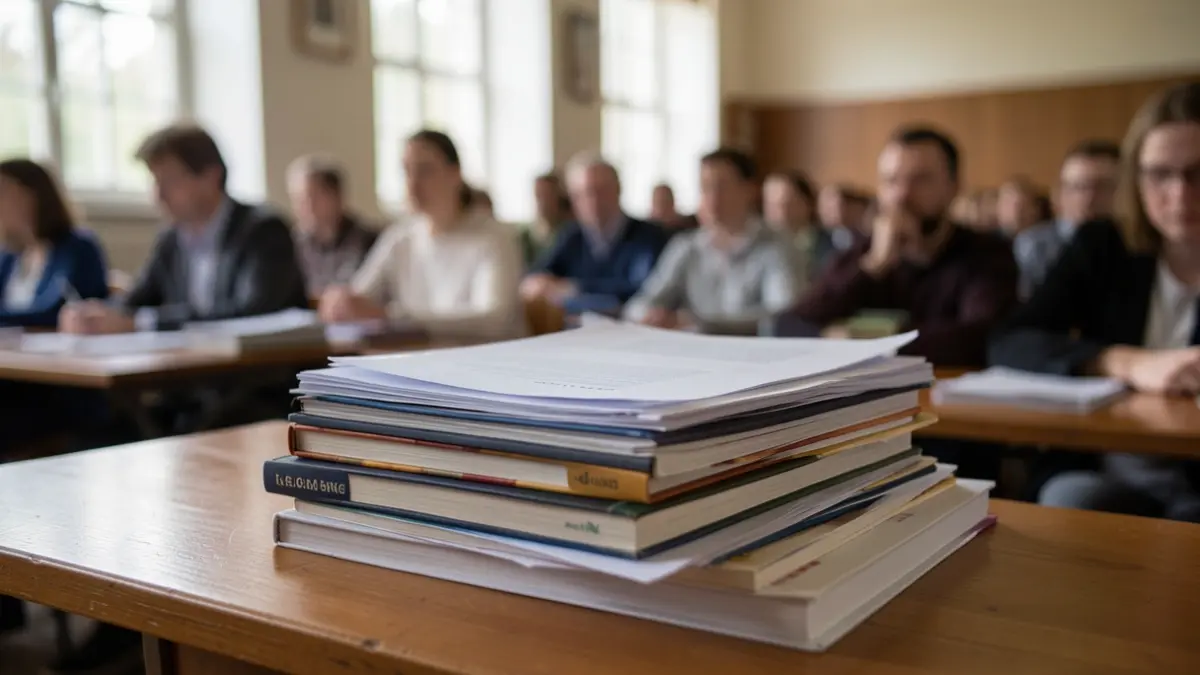
The event, titled 'Building Capacity for International Cooperation Management and Impact Assessment: The Complutense Staff Shadowing Week', brought together professionals from the UCM and African institutions to share experiences in university management, internationalization, teaching quality, project management, and impact assessment.
Driven by the UCM's Vice-Rectorate for Quality, the program included sessions on European project management structures, internationalization strategies, mobility programs, student support, and the application of artificial intelligence in university quality assurance.
Participants visited the National Center for Electron Microscopy and learned about the cultural heritage of the UCM, including the Pharmacy Museum.
The IMPACT-HE project, coordinated by OBREAL and co-funded by the European Union, aims to strengthen the capacities of African universities in managing international cooperation funds and measuring their impact.
This initiative promotes a cooperation model where African universities actively lead the design, management, and evaluation of projects, using tools like 'Staff Shadowing' for direct exchange of practices.
Beyond training, the meeting facilitated the establishment of direct professional relationships and the identification of future collaboration opportunities among participating institutions.