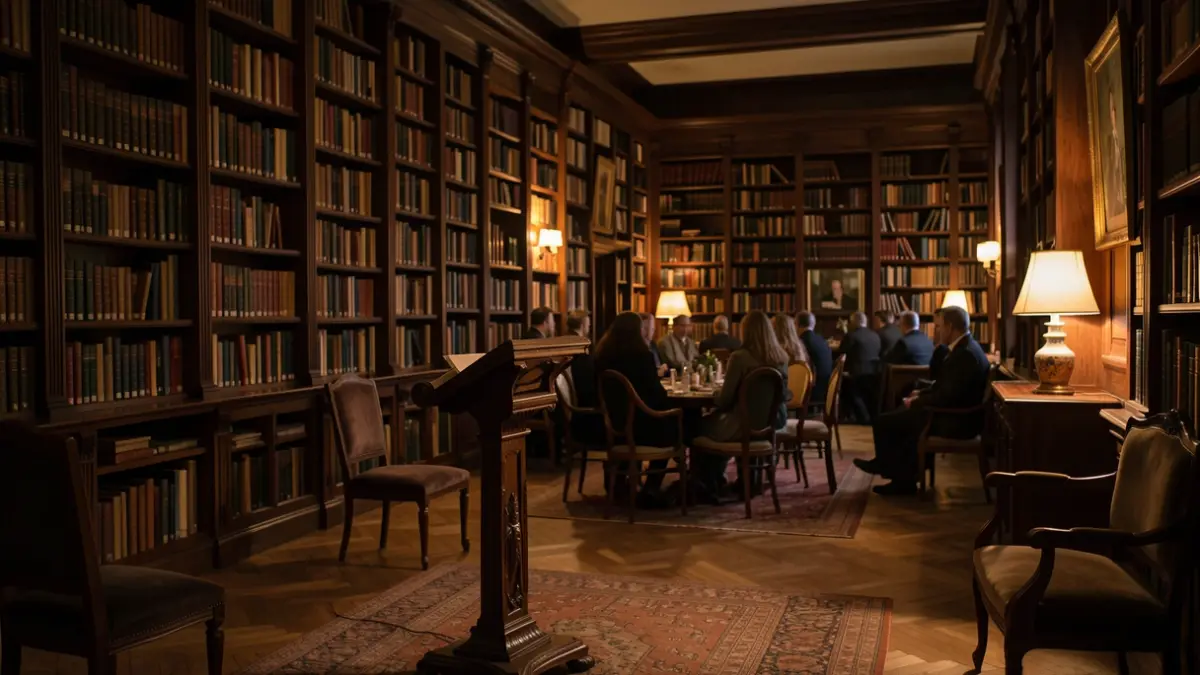
The event, held on November 23rd, remembers the author of works such as Los jinetes del alba, Extramuros, and En la hoguera, who studied at the former Faculty of Philosophy and Letters of the University of Madrid. There, he organized the University Experimental Theatre, although he was prohibited from staging La casa de Bernarda Alba.
The Dean of Philology, Eduardo Valls, highlighted Fernández Santos as a writer who "leaves a mark" and whose accessible prose "made historical novels great," considering him "probably the greatest exponent of the genre, and still unsurpassed." The Dean of Geography and History, María Cruz Cardete, agreed that his historical novels represent "a conversation between the past and the present, always seen through our eyes and with our problems."
Santiago López-Ríos, a professor and coordinator of the event, described it as a "moral obligation" for the Complutense University to celebrate this centenary, recalling that the author's literary vocation "was forged in the late 1940s in very difficult circumstances."
The exhibition at the Faculty's library includes first editions, administrative materials from Fernández Santos' time at the university, and an unpublished letter from Carmen Laforet praising the novel Extramuros, loaned by the author's family, including his wife María Castaldi.
The short story Cabeza rapada was highlighted, addressing themes such as orphanhood and child poverty, which López-Ríos considers of "undeniable relevance" in relation to the treatment of unaccompanied minors or the children of Gaza.