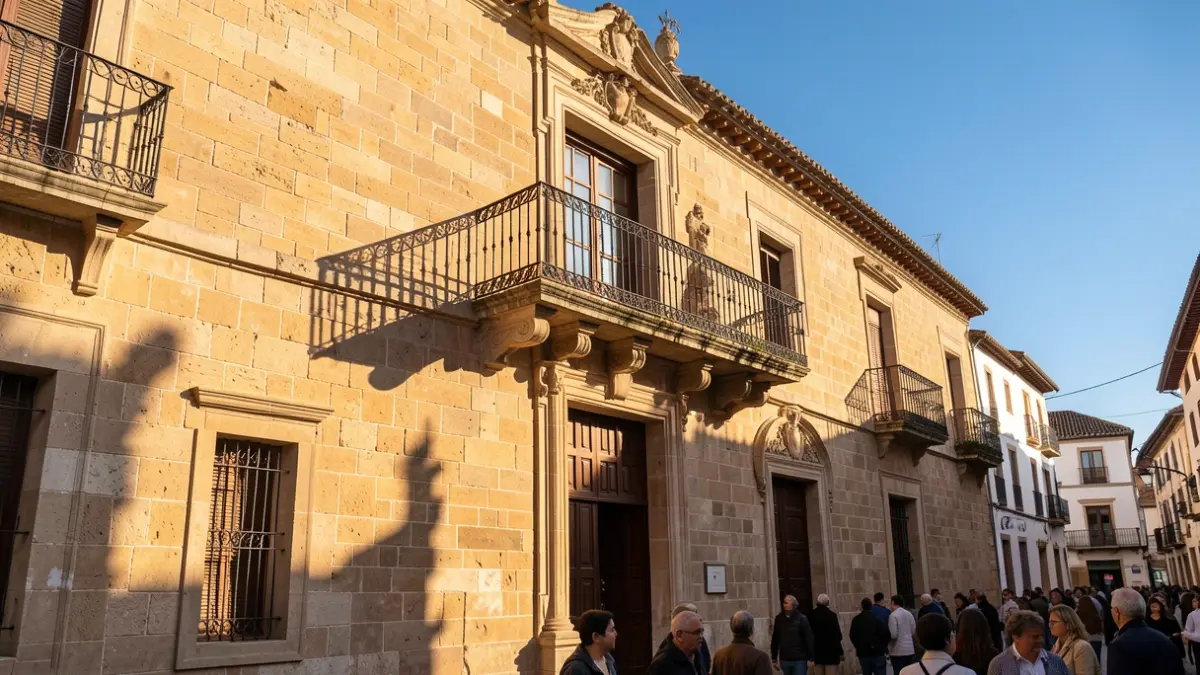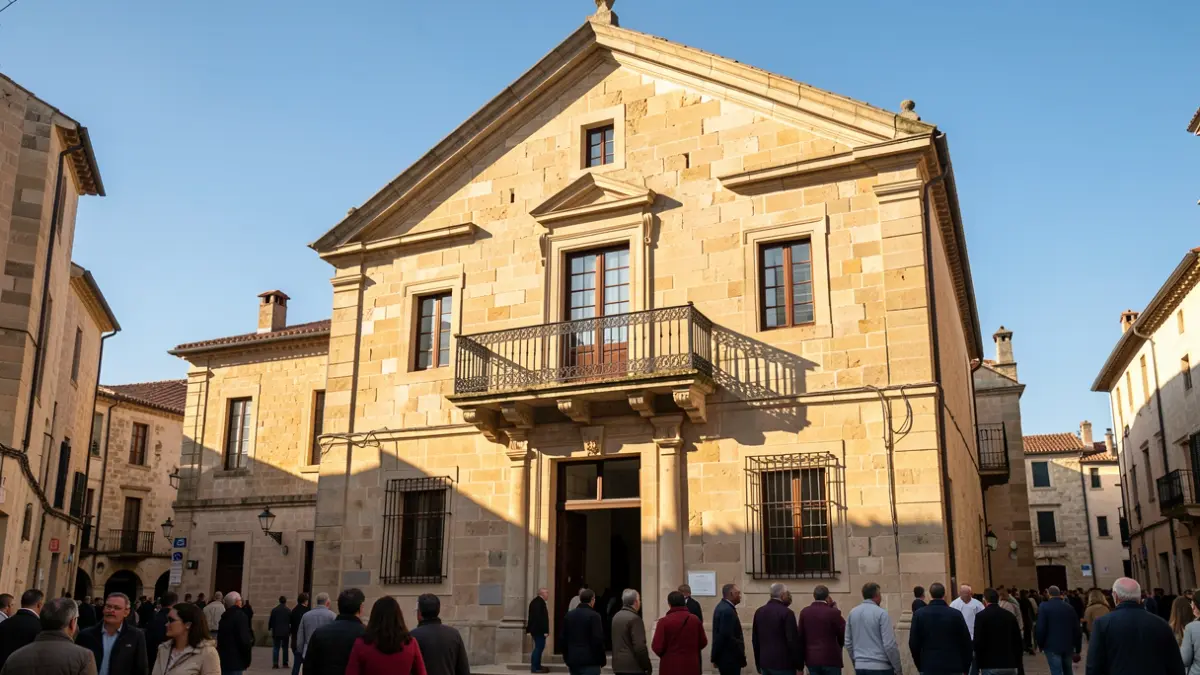
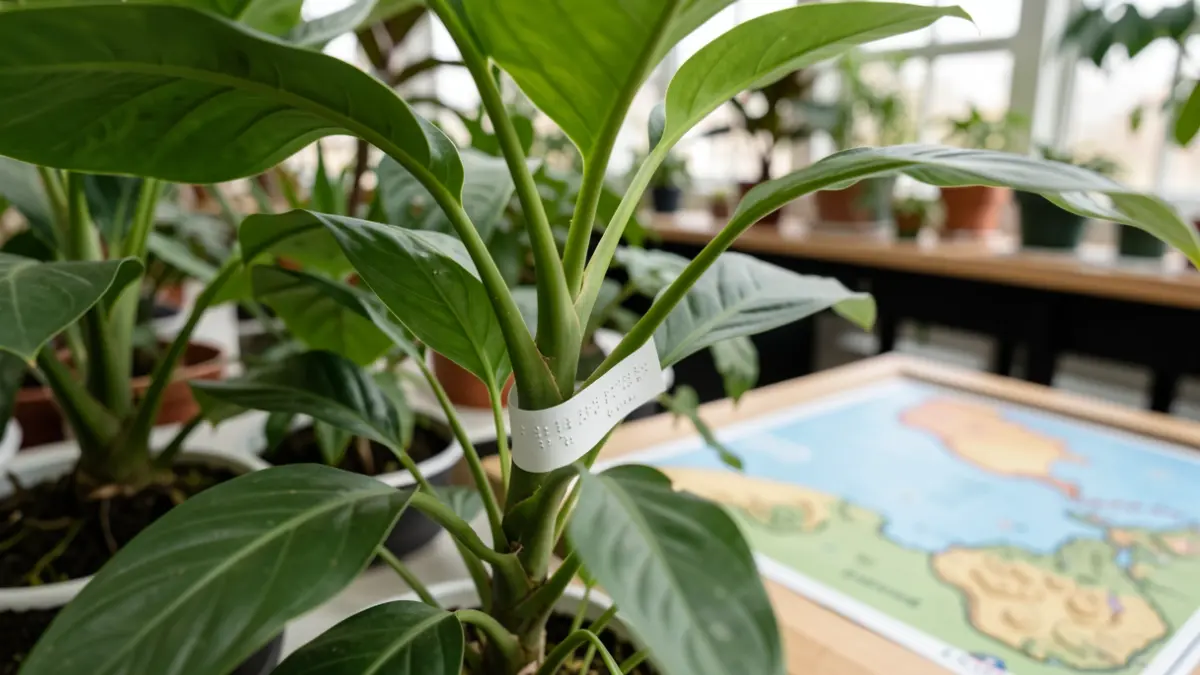
This new area, located next to the Villanueva Pavilion, is specially adapted for individuals with reduced mobility and visual, auditory, or cognitive functional diversity. Key technical features include elevated plantings for direct contact with plant species, Braille labeling, tactile maps, and digital resources via the Museum’s Voice app, available in easy-read formats, sign language, audio descriptions, and multiple languages.
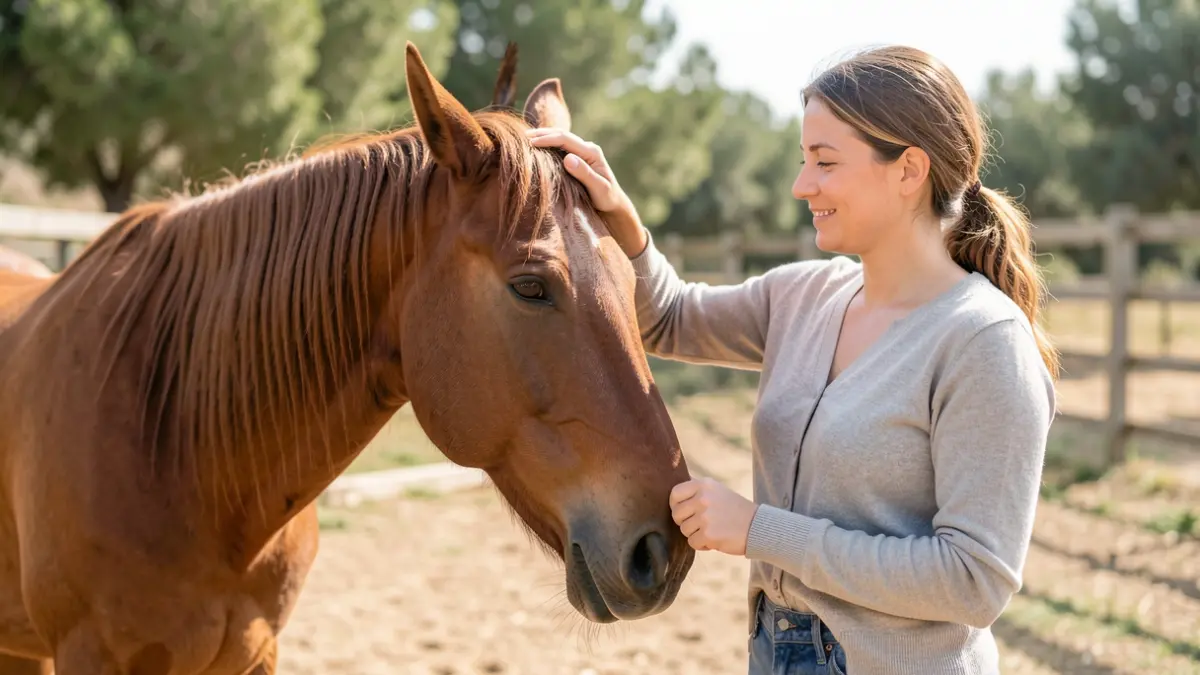
The project's head, Irene Fernández de Tejada de Garay, highlighted that this installation is a further step in the inclusion project ‘The Accessible Garden’, supported by the Spanish Foundation for Science and Technology (FECYT-MICIU). Through programs like ‘A Garden for All’, in collaboration with the Friends of the RJB Society, botany has been introduced to over 4600 individuals from vulnerable or socially excluded groups.
The project was developed in collaboration with entities such as Plena Inclusión Madrid, Signar, and Puntodis, with advice from ONCE staff. The outreach strategy has included over 60 visits in the past year to prisons, hospital classrooms, and residential care homes for the elderly with cognitive impairment.
Students from the experiential Gardening program have actively participated in adapting the terrain and planting. Beatriz Perlines, head of the Garden and Tree Unit, described their work as "impeccable".
The director of the RJB-CSIC, María-Paz Martín, emphasized that the Botanical Garden's mission extends beyond expanding knowledge of plant diversity and conservation; it also involves making that knowledge accessible to society by removing barriers and creating new encounters between science and people.
Accessibility is conceived as a fundamental design principle from the outset. The director noted that expanding access to knowledge not only promotes the inclusion of specific groups but also enriches the experience for all visitors and strengthens the mission of putting science at the service of society.
Pura Fernández, Deputy Vice-President for Scientific Culture and Citizen Science, quoting Santiago Ramón y Cajal, stated that "accessibility and participation are part of scientific culture," encouraging exploration of different ways of knowing and perceiving.
The new space features over 40 meters of guide-handrails, 50 Braille labels, a tactile-visual map of the route, 30 signed videos, and as many easy-read plant fact sheets. It houses over a hundred plants of 45 different species and varieties.