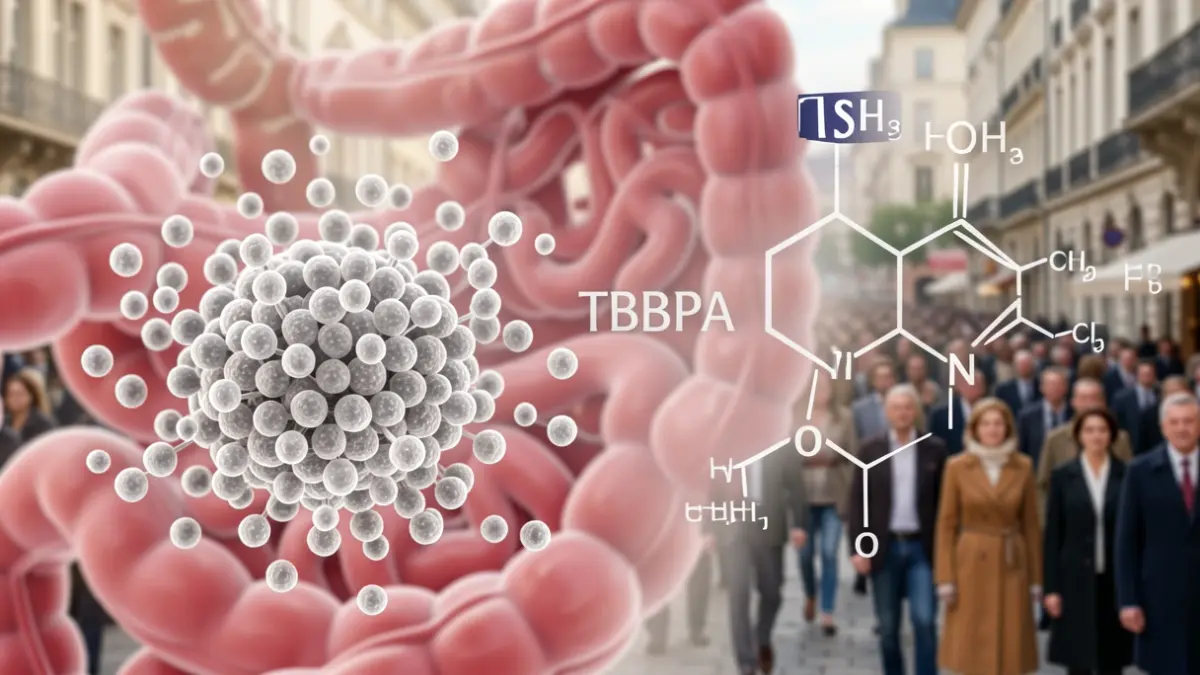
Joint exposure to polystyrene nanoplastics and tetrabromobisphenol A (TBBPA), a flame retardant, can cause DNA damage in intestinal cells and alter their maturation process, according to a study by the Biology Department of the Autonomous University of Madrid (UAM). These plastic particles, thousands of times smaller than the thickness of a hair, can remain retained within cells for at least six days.
The intestine, a key barrier against ingested substances, is affected by these contaminants. Unlike previous studies that analyzed effects separately, this research reveals that the interaction of both is not a simple sum of their individual toxicities. TBBPA is identified as the main culprit for the observed toxicity, while nanoplastics, at the tested concentrations, did not show significant toxic effects on their own but did modify the response to TBBPA.
The study suggests that nanoplastics may act as vehicles, facilitating the entry of other substances into cells, which is relevant for understanding how they modify the toxicity of other contaminants. The alterations in the intestinal barrier, although observed, were not necessarily permanent, showing progressive recovery after the removal of the contaminants.
For the research, in vitro cell models of the human intestinal barrier were used, employing Caco-2 cells and a co-culture model with mucus-producing HT29-MTX cells. Cells were exposed to different combinations of contaminants during the differentiation process and once the barrier was formed. DNA damage was detected using the comet assay, and the activation of defense mechanisms against oxidative stress was observed.
The authors caution that the concentrations used in the study exceed the levels of habitual exposure through diet. The objective was to identify possible effects and understand cellular mechanisms under controlled laboratory conditions, not to estimate direct population risk. Therefore, the results do not allow for direct extrapolation of these effects to everyday human exposure.
The study highlights the importance of investigating mixtures of contaminants, given the real-world environmental exposure to multiple interacting substances. Such work contributes to improving contaminant assessment by incorporating the study of mixtures and their potential interactions, aligning with the 'One Health' approach that integrates human, animal, and environmental health.