The project will transform the former Madrid Aquatic Center, a symbol of the city's failed Olympic bids, into a multifunctional space. The concession, spanning 75 years, will allow the sports club to build and operate a macro-concert hall, a hotel, and a university center, among other facilities.
The mayor of Madrid praised the initiative, calling it “the best sports, cultural, university, and leisure complex in any city in Europe.” He highlighted that the 65,000 square meters of this development, along with the Sports City already under construction by the club in the San Blas neighborhood, will create a unique concentrated area for various activities.
“"Greatness lies in how we rise after falling."
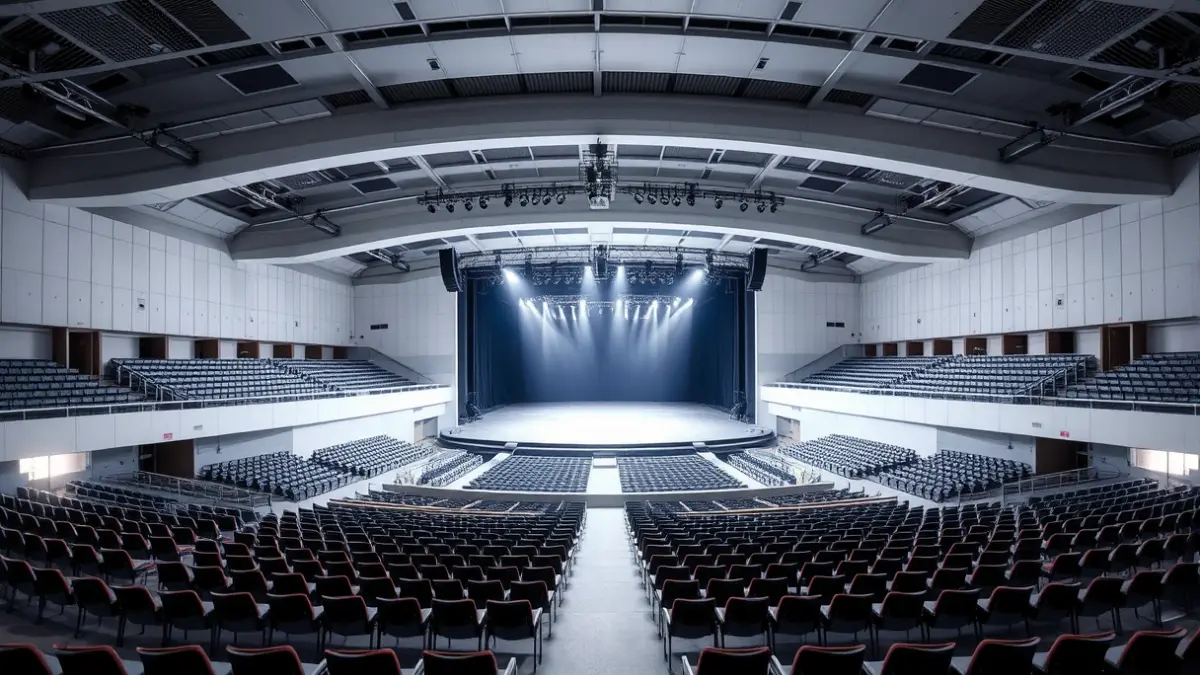
The future concert venue, described as “the best arena in the world,” is designed to host artist residencies, especially for Latin music, with the collaboration of promoter Live Nation. The involvement of GoFit for managing sports facilities and Alfonso X El Sabio University, which will establish a new center, has also been mentioned.
Despite municipal enthusiasm, the project faces a legal hurdle. In December, the High Court of Justice of Madrid (TSJM) annulled the special plan for the La Peineta Aquatic Center, questioning the public interest of the operation and the justification for changing the land's use, which was originally intended for failed Olympic projects.
Nevertheless, the public domain concession is moving forward. The company Barsento SL, created by the sports club in partnership with Live Nation and Oak View Group (OVG), will manage the 90,000 square meters of buildable land in plot ES-01 until 2100. This initiative complements the club's Sports City, already under development on other municipal plots.
The project's economic study forecasts an investment of 407 million euros by Barsento, with an estimated return period of 19 to 21 years. The complex's revenue is projected to reach 145 million euros by 2045 and 445 million by the end of the concession in 2100, with annual profits of approximately 95 million euros before taxes.
The Madrid City Council will receive an exploitation fee starting at 300,000 euros annually, increasing to 1.4 million by 2051, and reaching 6.6 million at the end of the concession. The covered pavilion, with an investment of 260 million, will have a capacity for 20,000 spectators, making it one of Spain's largest indoor concert venues, competing with Valencia's Roig Arena and Madrid's Movistar Arena.
The opposition has expressed “doubts about the legality of the operation.” A councilor spokesperson for Urban Planning from the Socialist Municipal Group criticized the City Council for promoting a 360 million euro project on public land that should be public sports facilities, advocating for privatization. He highlighted the annulment of the special plan by the TSJM and the lack of clarity regarding a possible appeal to the Supreme Court.
“"We have serious doubts about the legality of the operation: the special plan that allowed these uses was annulled by the TSJM in December. No one has clarified whether it has been appealed to the Supreme Court."
Meanwhile, the spokesperson for Más Madrid in the Urban Planning Commission stated that the announcement confirms that “the public heritage of all Madrileños is being put at the service of private interests.” She concluded that the City Council risks indemnities, delays, and litigation if it proceeds with the awarding of the Aquatic Center.