
This technique represents a significant advance in the management of a disease that until now required periodic administration of the deficient factor throughout life. People with hemophilia can experience spontaneous bleeding or bleeding after minor trauma, particularly in joints such as ankles, knees, and elbows, which can lead to joint damage, pain, and limited mobility.
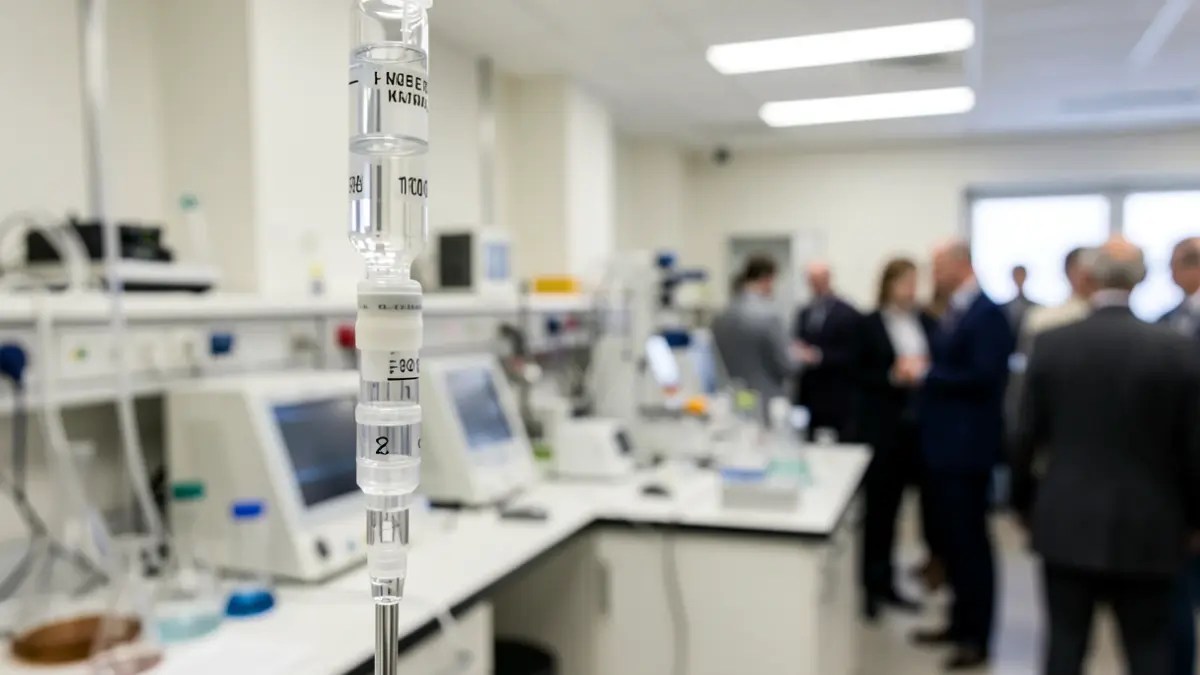
Gene therapy changes the current model, which was based on prophylaxis with regular administration of the clotting factor. Instead of administering the missing Factor IX from the outside, the therapy provides the body with the genetic instructions for liver cells (hepatocytes) to produce it. A modified viral vector is used as a vehicle to transport the gene to the liver cells through a single intravenous infusion.
After administration, close monitoring is necessary, especially during the first few months, to control liver function and the potential need for corticosteroid treatment. Responses can vary among patients, so long-term follow-up is conducted to assess both efficacy and safety.
The main potential advantage is the change in daily life: a single administration can replace years of periodic prophylaxis, consistently increase Factor IX levels, significantly reduce bleeding episodes, and lessen the burden of continuous intravenous treatment. Although it can be considered a functional cure, the individual remains a carrier of the genetic alteration.
This first patient marks a new era in the management of hemophilia B at the hospital, aiming to enable individuals with this condition to lead lives as similar as possible to those without hemophilia, protecting their joints, minimizing bleeding risk, and reducing the treatment burden.