
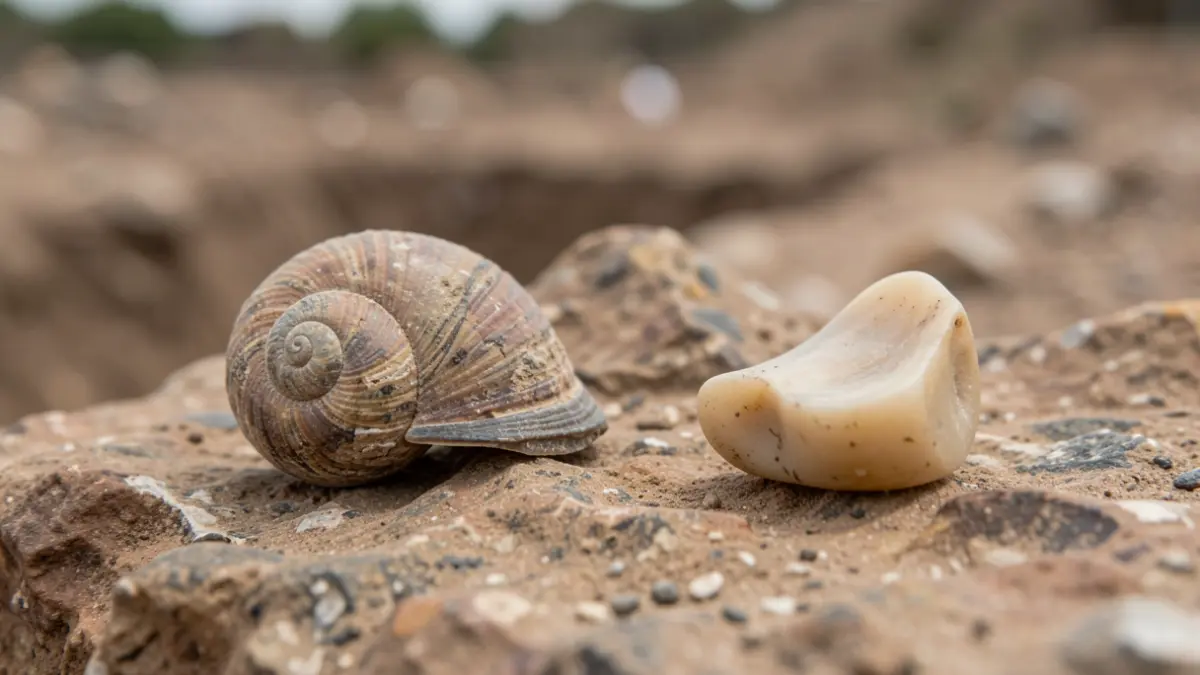
The findings, from sites in France and Germany dated between 13 and 11 million years ago, reveal a unique dentition among carnivores: a rounded upper first molar capable of breaking shells. Researchers compared these fossils with current musteloids and other fossil mammals and reptiles to determine the diet of Trochotherium cyamoides.
According to Diego Sánchez, a UCM doctoral student, the species used its molars like a mortar to break the resistant shells of snails. Similarities in tooth shape and size with some Miocene Australian marsupials that fed on land snails reinforced this hypothesis.
The study, published in Acta Palaeontologica Polonica, also sheds light on the origin and early evolution of skunks, a topic little studied due to the scarcity of well-preserved fossil material. The new Trochotherium fossils reinforce the hypothesis that this group of carnivorous mammals and their close relatives were more diverse during the Miocene than they are today.
The UCM research group is currently analyzing fossil remains of Miocene skunks from the Community of Madrid and Catalonia, which promise to provide novel data on the diversity and lifestyle of this poorly known group of mammals in the Spanish fossil record.