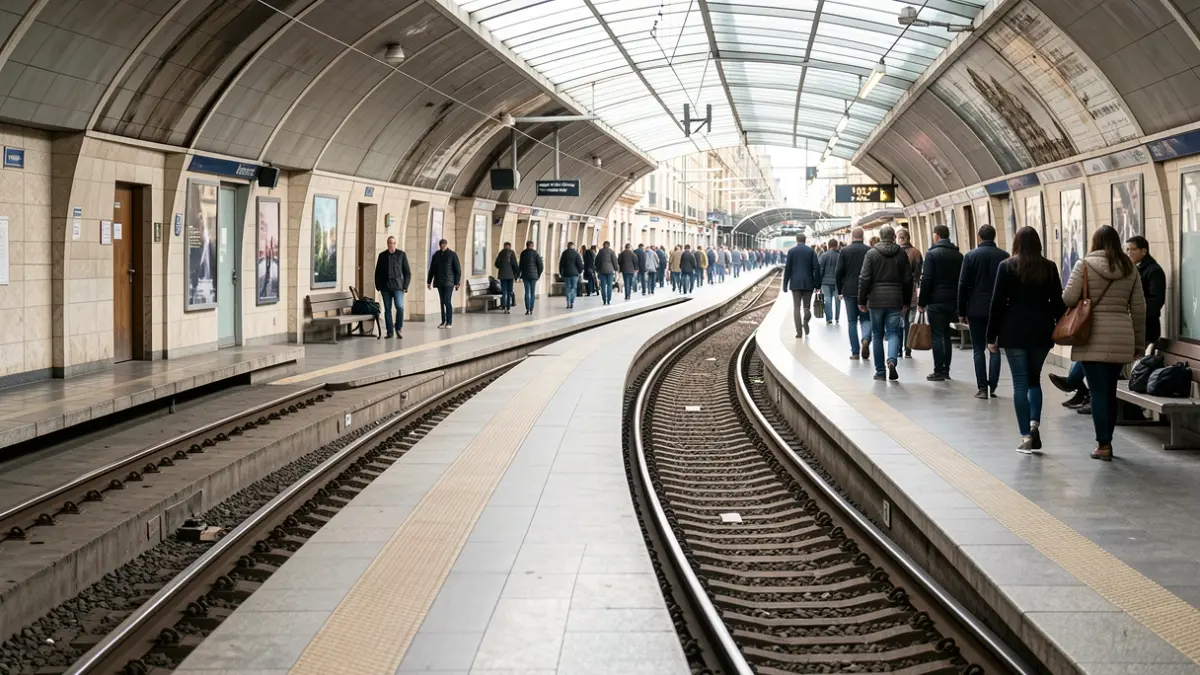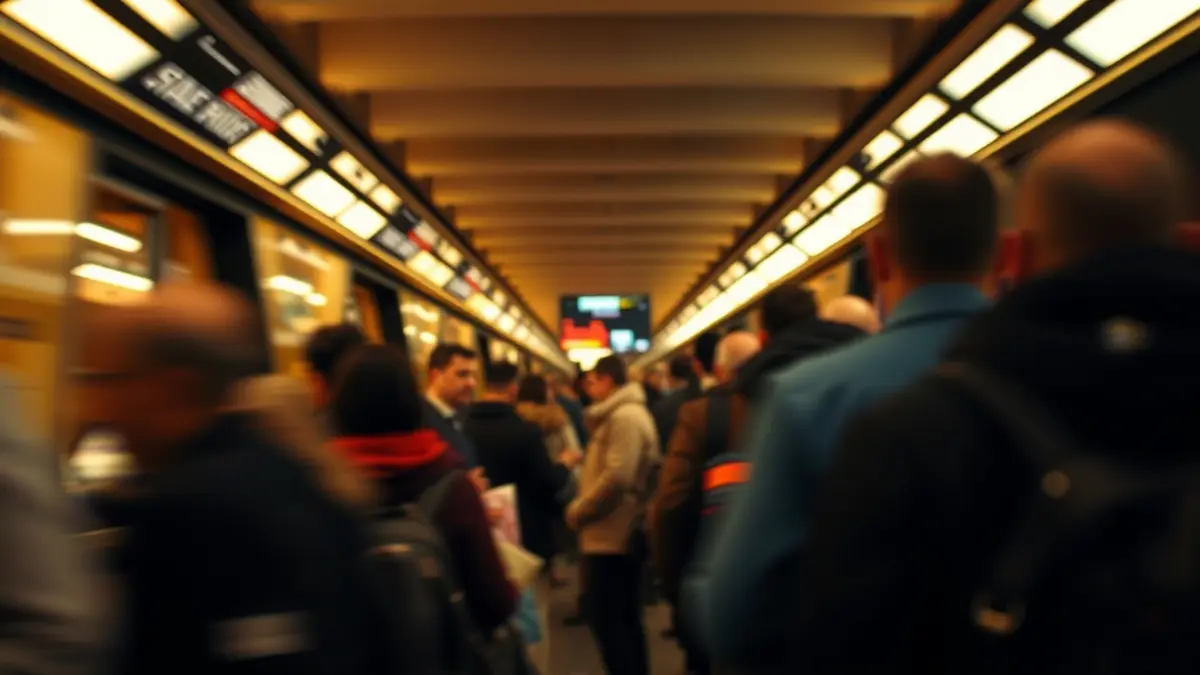
The state of public transport in Madrid, encompassing the Metro, Cercanías (commuter rail), and buses, has raised concerns among users. Platform overcrowding, packed carriages, and frequent delays are now part of the daily routine, making it difficult for citizens to arrive at their destinations on time.
An urban planning and transport expert, well-known for their social media presence, has highlighted that the main issue lies in the infrastructure. According to this specialist, the frequency of Metro services is insufficient for current demand, and the Cercanías service, which previously operated more smoothly, now faces recurring problems.
“"The problem lies in the infrastructure. Metro platforms are filled with passengers because the service frequencies are not enough. And what used to work well with Cercanías is now causing problems."
Given the demographic growth of the Community of Madrid, which added approximately 57,000 inhabitants last year, two key proposals are being put forward to improve mobility. The first suggests the creation of a Metro Line 13, envisioned as a "suburban M-40" that would better connect peripheral neighborhoods, easing pressure on Line 6.
The second proposal focuses on the extension of Line 11, a project already underway. The expert suggests modifying the route to pass through Canillejas and Ifema before reaching Valdebebas, which would bring the service closer to the M-40 area neighborhoods, albeit slightly further from the city center.
Furthermore, the need for a Cercanías service for the A-3 corridor has been pointed out, despite Metro Line 9 reaching Arganda del Rey. The population density in this area, especially in Rivas, which exceeds 100,000 inhabitants, makes the current infrastructure inadequate. Emphasis is placed on increasing the frequency and improving the trains of Line 9B.
Another point of discussion is the problematic Line 7B of the Madrid Metro, which has suffered multiple closures since its inauguration in 2007 due to structural issues related to construction over aquifers. The expert proposes two solutions: continuing to invest in tunnel improvements or transforming the line into a surface light rail, sealing the underground tunnel.
Finally, the case of the old Cuatro Caminos depots, a disused site for twelve years, is addressed. It is suggested to reconstruct a replica of the depots as a monument, create green areas, and build housing, leveraging historical heritage and meeting housing demand in the area. This approach, according to the expert, reflects the need to appreciate and preserve the historical value of Madrid's infrastructure.