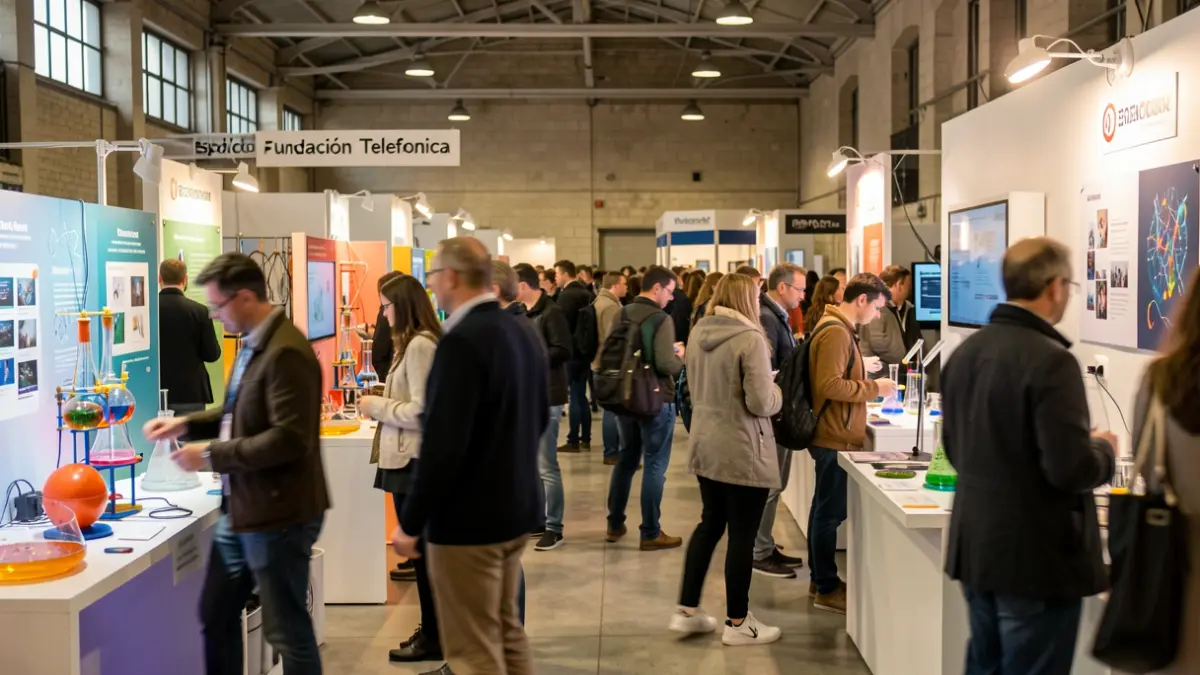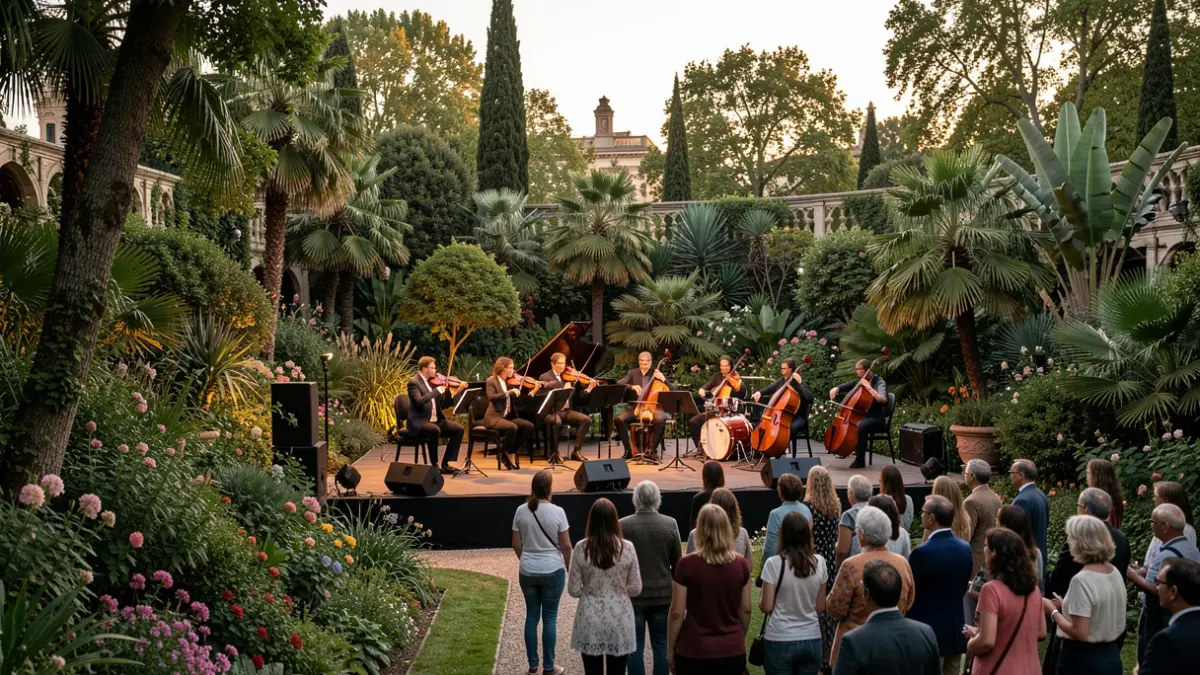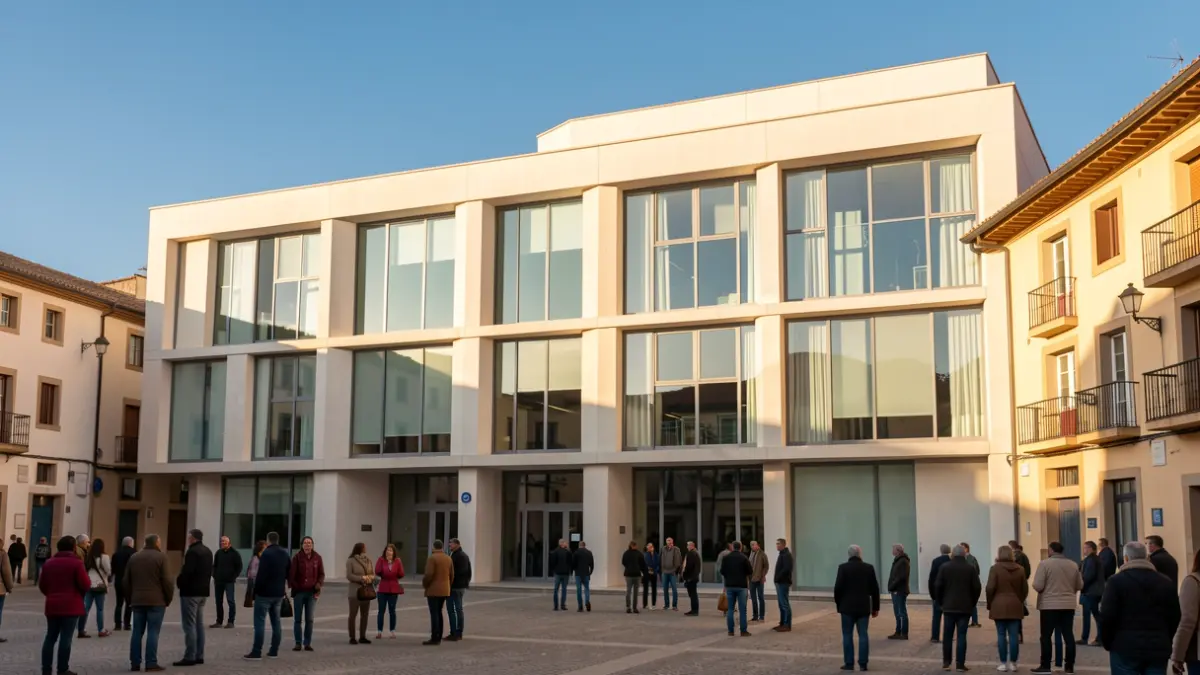
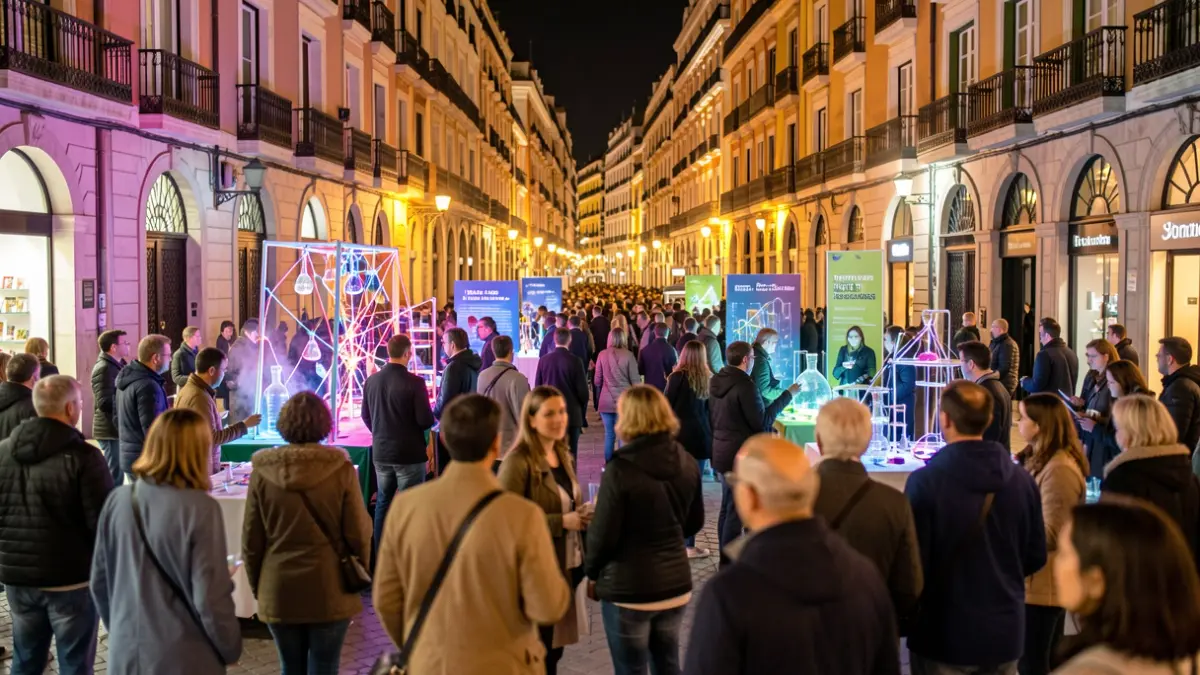
The event, designed to bring science closer to society, will feature initiatives such as astronomical observations, theatrical performances, meetings, workshops, children's games, scavenger hunts, talks, exhibitions, guided tours, experiments, and arts and science shows. These activities cover all fields of knowledge and will take place in Andalusia, Aragon, Cantabria, Castilla y León, Catalonia, Community of Madrid, Valencian Community, Galicia, and Balearic Islands.
In the Community of Madrid, CSIC centers at the Cantoblanco Campus are organizing the event 'El CSIC te llama esta noche' (The CSIC Calls You Tonight) at the Fundación Telefónica Space, featuring scientific demonstrations, an exhibition-scavenger hunt, a live podcast recording, theater, and scientific concerts. The centers at the Moncloa Campus will host a science fair focusing on special effects, 3D printing, and nutrition. The National Museum of Natural Sciences (MNCN-CSIC) offers a scientific scavenger hunt and an overnight camp, while the Royal Botanical Garden (RJB-CSIC) challenges students with a scientific quest. Additionally, topics such as the memory of African slavery, Madrid of the Habsburgs, drawing as a tool for knowledge, and the reconstruction of Spanish dance pieces will be explored. The Spanish Institute of Oceanography (IEO-CSIC) will invite visitors to explore the seabed.
Other regions will also offer a wide range of activities. In Andalusia, workshops will cover soil regeneration, jellyfish, the impact of tourist rentals, Arabic writing, black holes, and botany scavenger hunts. In Aragon, Zaragoza will host 'Imagine Tomorrow' with workshops and experiments. Cantabria will provide workshops, demonstrations, and a science café on climate change in Santander. In Castilla y León, Salamanca will present activities on DNA and microorganisms. Catalonia will participate in the European Night of Research with talks on microchips, marine sponges, and environmental conservation. The Valencian Community will feature workshops in Valencia on creating gardens in jars, measuring environmental radioactivity, and studying carbon dioxide. Galicia will join with workshops on sustainable fisheries, plankton, escape rooms, science-themed board games, and talks about the sea. Lastly, in the Balearic Islands, the 'Fireta investigadora' will take place in Palma with workshops on the butterfly effect and ocean acidification, storytelling sessions, and micro-talks, along with activities in Menorca.
In Rome, the CSIC will organize demonstrative laboratories and scientific games on the Tusculum project on September 25 and 26.