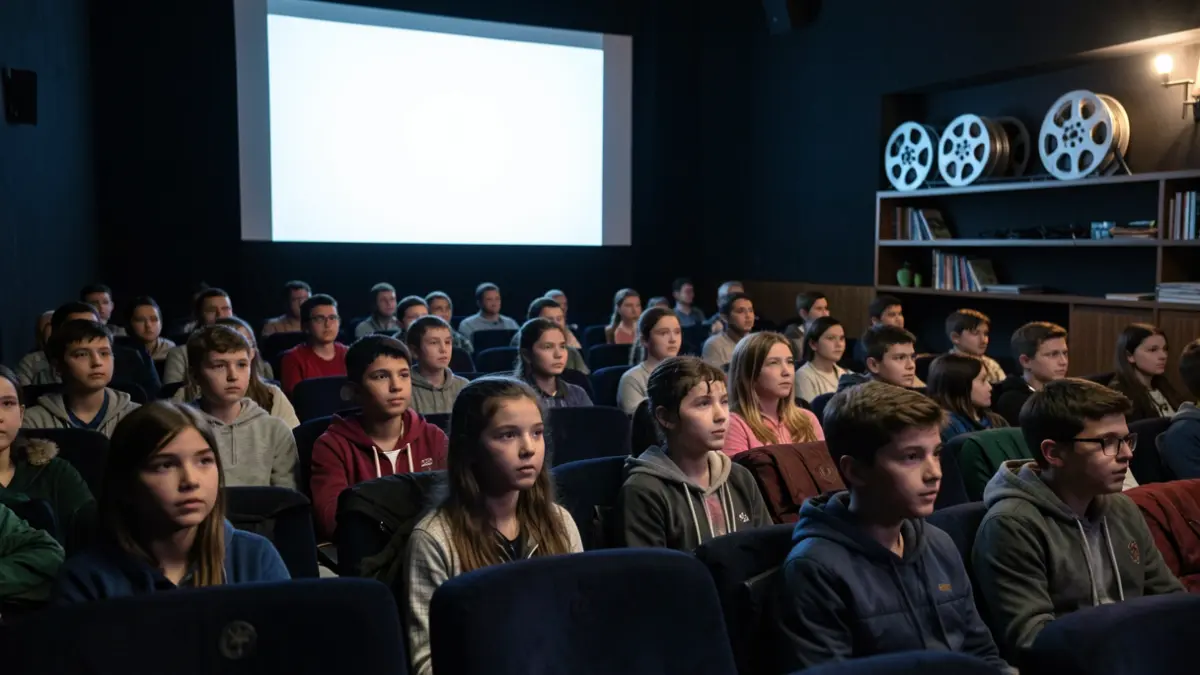
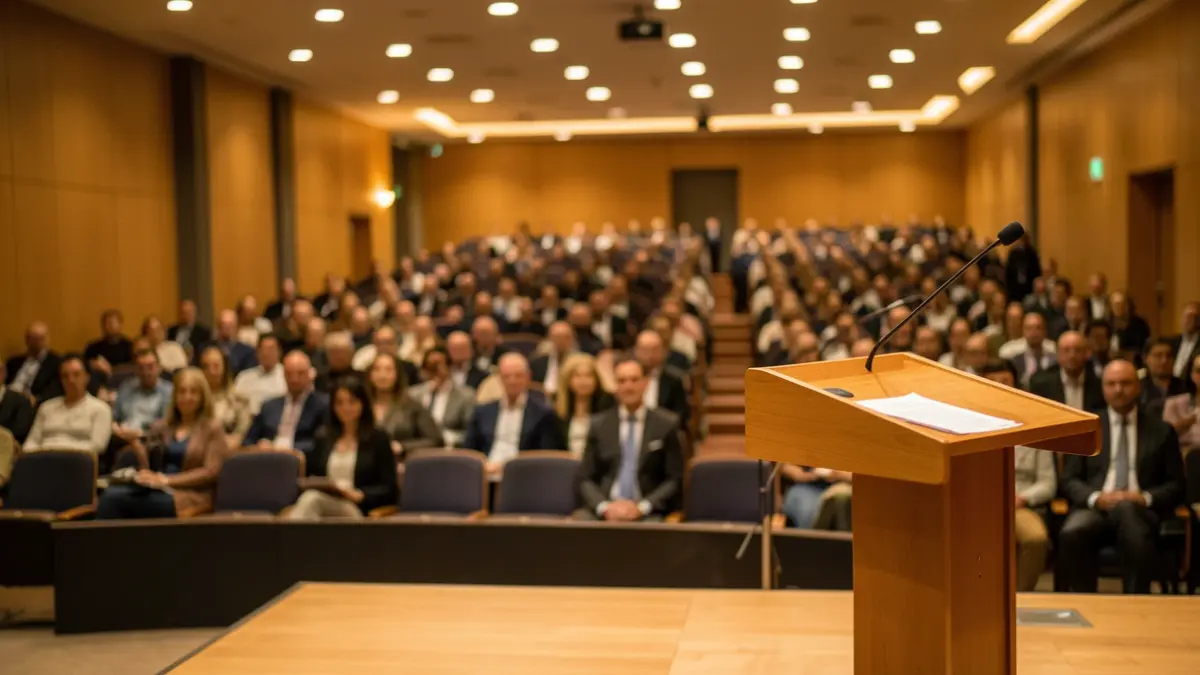
The objective of the event, held in person in the Ceadac's assembly hall in Madrid, was to provide professionals with practical criteria for deciding when and how to incorporate these tools into daily patient intervention.
The conference was inaugurated by Inmaculada Gómez Pastor, the center's managing director. Presentations covered topics such as "Technology, personal autonomy, and participation: what we know and what works," by Miguel Ángel Valero Duboy from the Polytechnic University of Madrid, and "Generative AI and participation: from clinical reasoning to daily life," presented by José María Calavia Balduz from La Salle University Center and Tangram Center.
After the break, Paloma Cid Campos from the ONCE Foundation presented "Accessibility, technology, and innovation to generate opportunities," followed by Fuensanta García Martín from inRobics, who spoke about "Social AI and virtual companion assistants in daily life."
The event concluded with a participatory panel discussion between attendees and speakers titled "When is technology worthwhile?"