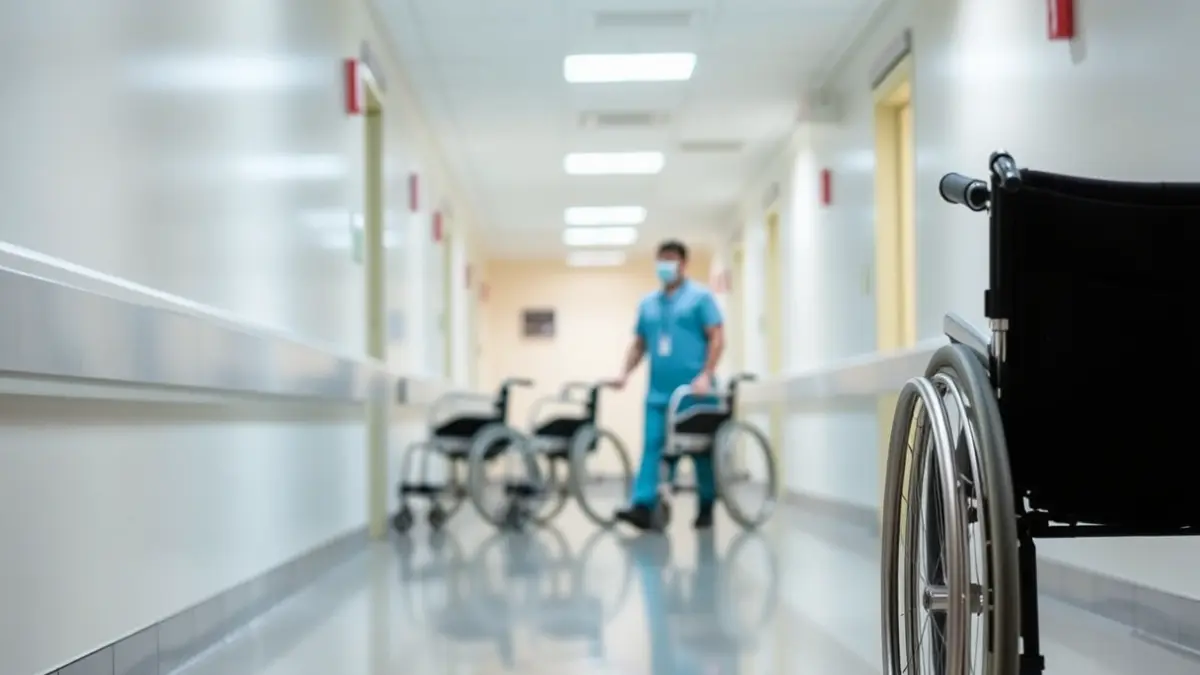
The Governing Council has approved a Framework Agreement that will allow for the contracting of 336 additional intermediate stay beds annually. This initiative represents an investment of 102 million euros over the next two years, targeting patients who require rehabilitation and continuous monitoring after hospitalization but no longer need the facilities of an acute hospital.
This intermediate resource is specifically designed for elderly, frail patients with prolonged clinical follow-up needs. According to a spokesperson for the regional government, the Ministry of Health estimates that approximately 122,640 admissions of this nature occur in the region each year, highlighting the significant demand for this specialized care.
“"The Ministry of Health estimates that around 122,640 admissions of this nature are registered in the region each year, which gives an idea of the volume of demand for this type of care."
The profile of patients who will access these beds is very specific: an average age of 88 years, with frailty and polypharmacy. These individuals require continuous care, clinical supervision, and support in their functional recovery process. The units providing this service must comply with the conditions established by Sermas, adapting to these specific needs.
The purpose of these units goes beyond maintaining post-discharge healthcare; it seeks to facilitate recovery sufficient for the patient to return to their normal life, either at home or in a residential facility. The primary goal is to improve the patient's clinical condition and promote the highest possible degree of autonomy.
The Community of Madrid asserts that this new Framework Agreement will optimize the organization of this type of care and provide greater stability to the service. One of the aims is to ensure that all patients receive uniform quality of care, regardless of the center they are admitted to, a crucial aspect in a network where these resources can be offered by various institutions.