
The initiative, led by the Delegate for Housing Policies and president of the Municipal Company of Housing and Land of Madrid (EMVS Madrid), Álvaro González, along with the councilor of Villa de Vallecas, Carlos González, seeks to improve quality of life, strengthen social cohesion, and create more accessible, sustainable, and healthy neighborhoods.
The Nuestra Señora de las Nieves neighborhood, with 3,873 inhabitants and 1,452 homes built mainly between the 1960s and 1970s, faces buildings over 50 years old and an urban layout characteristic of residential colonies from that era.
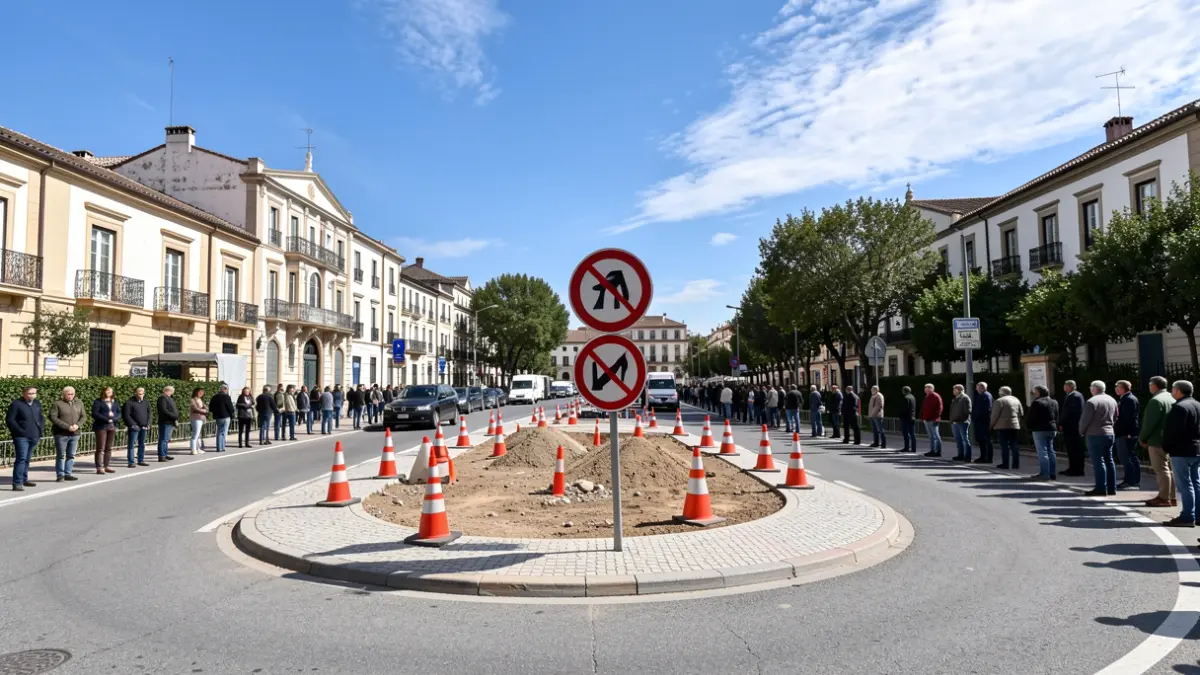
The action plan will define a roadmap for regeneration, identifying necessary interventions to improve accessibility, environmental quality, and the use of public spaces. A major challenge is the urban planning ambiguity of over 50% of its open spaces, which will require a prior Special Plan for the Regularization of Open Spaces.
“"Nuestra Señora de las Nieves reflects many of the urban challenges addressed by the Plan Regenera Madrid, with inter-block spaces that require comprehensive intervention to adapt to the current needs of residents."
“"The first step to transform these environments is to thoroughly understand their urban reality and equip ourselves with the necessary tools to act where it has not been possible for decades."
The plan will also focus on improving accessibility in homes and streets, increasing pedestrian safety and comfort, and adapting public spaces for an aging population. It will study the incorporation of new green areas and the enhancement of tree infrastructure to improve thermal comfort and foster community life.
“"Green spaces help create healthier and more comfortable environments, but they are also meeting places that strengthen social cohesion and improve residents' quality of life."
These actions are part of the Southern Strategy and the Plan Regenera Madrid, which aims to intervene in 409 regeneration units across the city built before 1985, potentially benefiting around 2.6 million Madrileños.
Currently, the City Council is working on other areas such as Loyola-Virgen de la Inmaculada and Pan Bendito (Carabanchel), Puerto Chico, Casa de Campo, and Caño Roto (Latina), among others, with ongoing projects in various districts.