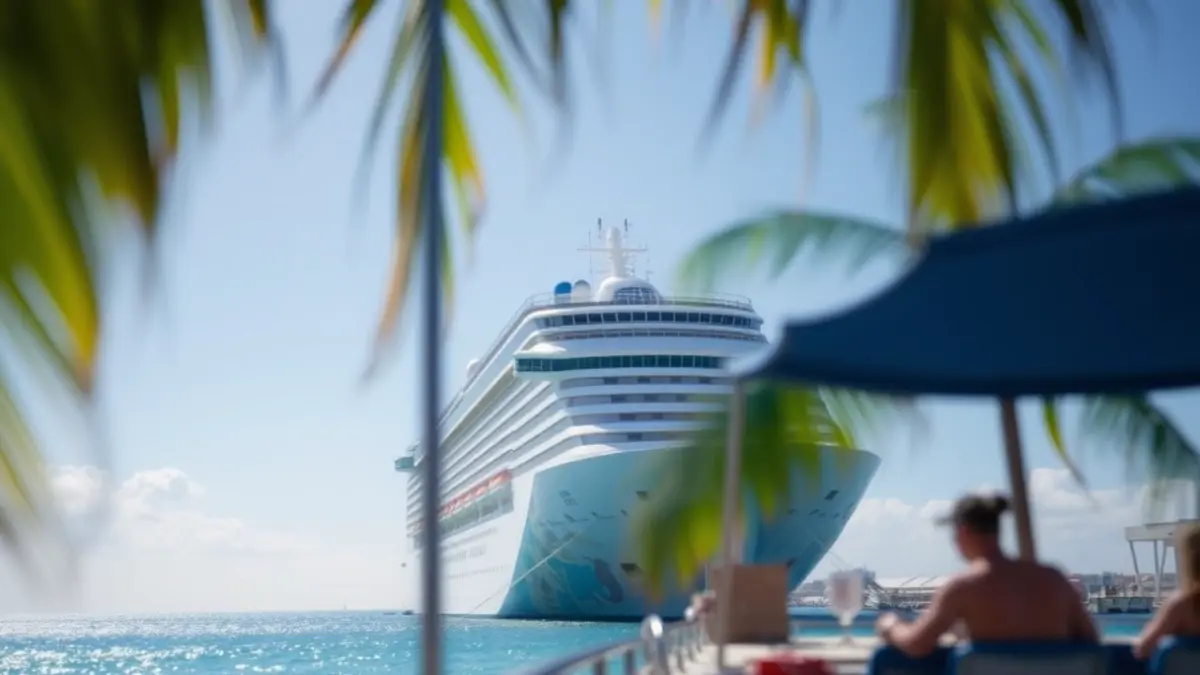
The vessel carries 149 people, including passengers and crew members, from 23 different nationalities. Among them are 14 Spaniards—13 passengers and one crew member—according to information from the Ministry of Health.
Initially, the World Health Organization (WHO) had suggested the cruise ship call at the Canary Islands to evacuate three symptomatic passengers. However, it has now been decided that these individuals will be transferred to the Netherlands. Spain had proposed an evacuation in Cape Verde for symptomatic cases, but the authorities there rejected this option.
“"The risk to the general population is low, as human-to-human transmission is not frequent, and most occupants are asymptomatic."
The situation is being coordinated with the WHO, the European Centre for Disease Prevention and Control, the European Commission, and the countries involved. An assessment by WHO epidemiologists is expected to determine further measures to be taken on board, while the ship remains in Cape Verde. So far, one high-risk contact has been identified, and health authorities are continuing to assess if there are more individuals in this situation.
Hantavirus is a zoonotic virus primarily transmitted through contact with secretions from infected rodents. It can cause severe diseases in humans, such as cardiopulmonary syndrome in the Americas or hemorrhagic fever with renal involvement in Europe and Asia. There is no specific treatment, so medical care focuses on managing symptoms and complications. The WHO emphasizes the importance of early detection and avoiding contact with rodents, as human-to-human transmission is rare.