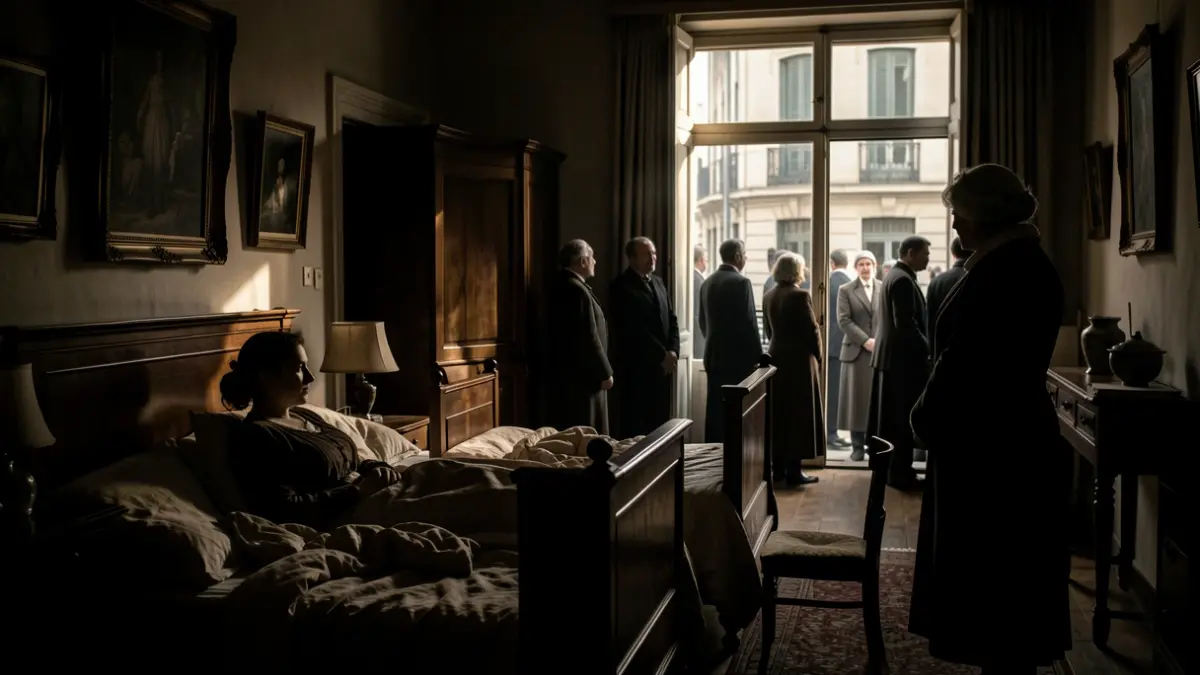
On the morning of June 9, 1933, the Spanish capital awoke to news that seemed ripped from a crime novel. An eighteen-year-old girl, considered one of the most promising intellectuals of the Second Spanish Republic, was found dead in her home in the Chamberí neighborhood. The perpetrator of the crime was her own mother, Aurora Rodríguez Carballeira.
Hildegart Rodríguez was no ordinary young woman. Before reaching the age of twenty, she had already published books, written articles, and actively participated in political and intellectual debates. For many, she represented the ideal of modernity and progress that a segment of Spanish society dreamed of building.
However, behind that brilliant career lay a unique story. Her mother, Aurora Rodríguez Carballeira, had conceived her daughter as an educational experiment, intended to demonstrate that it was possible to create an exceptional human being through carefully designed training from childhood.
The relationship between mother and daughter gradually deteriorated when Hildegart began to demand something as simple as it was fundamental: the right to decide her own life. The ensuing tragedy turned this case into one of the most shocking events in Madrid's 20th-century history.
Nearly a century later, the name of Hildegart Rodríguez continues to be part of Madrid's memory as a symbol of a brilliant life cut short too soon, leaving questions about education, freedom, and the limits of family control that remain relevant today.