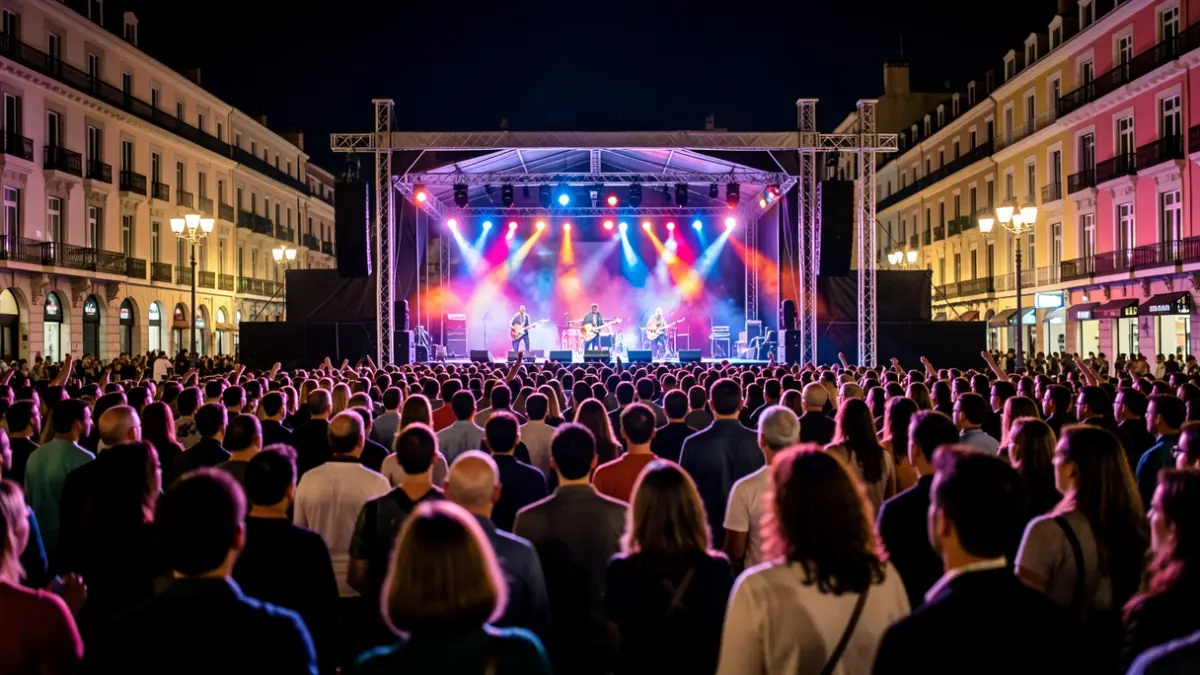
Every May 15th, the Pradera de San Isidro fills with thousands of Madrileños in a festive atmosphere of concerts and traditional pastries. However, this emblematic space in Madrid holds a much deeper and more surprising history than most imagine.
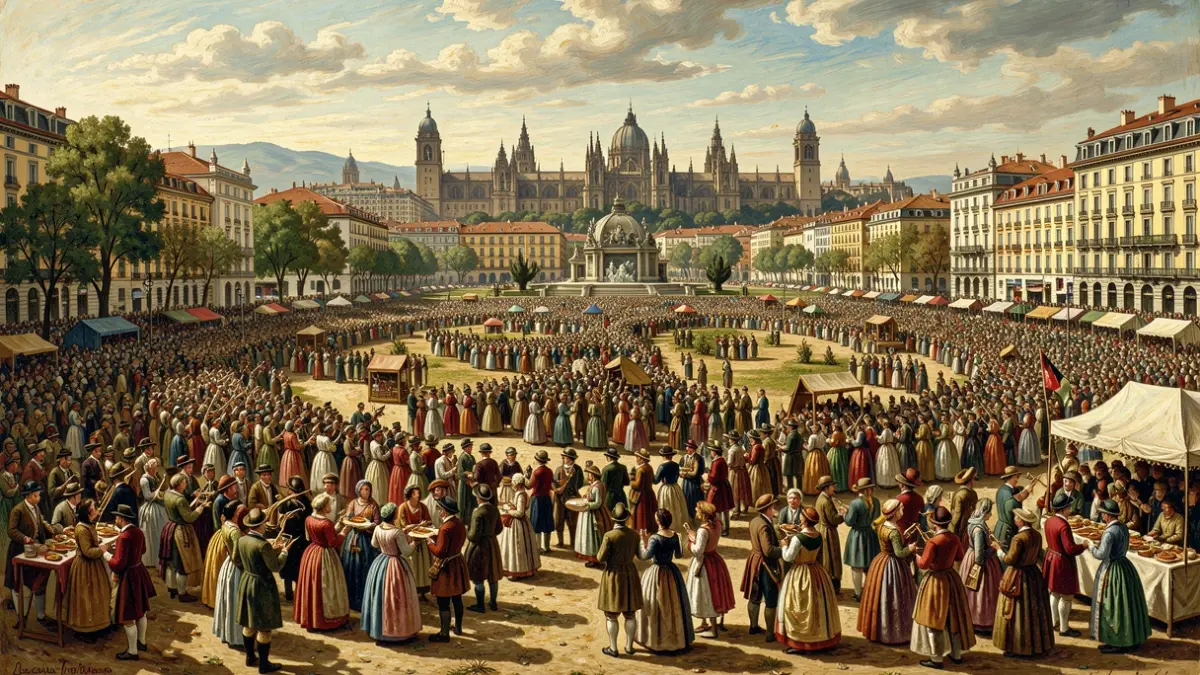
Long before becoming a stage for modern celebrations, the Pradera was a popular pilgrimage site, closely linked to San Isidro Labrador and the most traditional Madrid of past centuries. The iconic image of the pilgrimage captured by Francisco de Goya, with hundreds of Madrileños and the city skyline in the background, allows us to reconstruct the festival from over two centuries ago, becoming a recognizable image of traditional Madrid.
Although today verbenas (street festivals) predominate, the Pradera's origins are rooted in religious tradition. For centuries, Madrileño families would go to La Ermita de San Isidro to attend mass, pray to Madrid's patron saint, and drink water from the fountain, associated with one of his miracles. Afterwards, they would spend the day by the Manzanares river with picnics, organ grinder music, and popular dances.
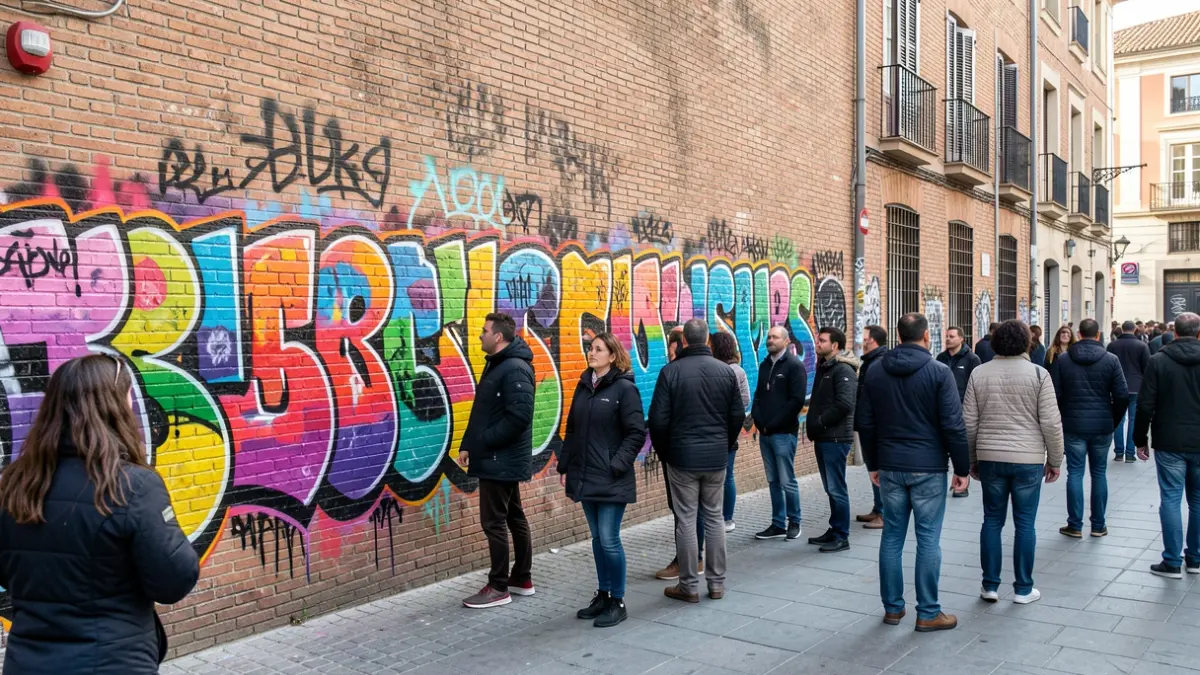
Popular belief holds that San Isidro made water spring from a rock to help his master. Every May 15th, queues at the hermitage's fountain are a traditional sight, with visitors filling bottles or using traditional cups to drink from it, keeping the custom alive.
Throughout much of the 20th century, visiting the Pradera was a family event. Equipped with blankets, food baskets, and water jugs, many spent the entire day there, arriving by tram or walking. The experience combined religious elements, popular fun, and outdoor family gatherings, marking the calendar for many households.
Before modern stages dominated the festivities, the Pradera's characteristic sound came from the organ grinder, filling celebrations with 'chotis', 'pasodobles', and 'cuplés'. Although some organ grinders can still be found, it is a tradition that is becoming increasingly rare in the city.
Historically, the Pradera offered panoramic views of the central Madrid skyline, with its churches and emblematic buildings. For this reason, it appears recurrently in paintings, old photographs, and historical postcards, becoming a recurring artistic motif.
Gastronomy has always been an essential component. 'Rosquillas tontas y listas' (sweet and glazed doughnuts), 'limonada madrileña' (Madrid lemonade), 'barquillos' (wafer rolls), and 'gallinejas' (fried offal) were part of the picnics many families brought. Today, traditional food stalls remain a characteristic image of these festivities.
Despite the city's transformations over the years, the Pradera de San Isidro continues to preserve part of the essence of the most traditional and popular Madrid. Every May, amidst carnations, shawls, and 'chotis' dances, this corner reconnects thousands of Madrileños with some of the oldest and most deeply rooted customs in the capital's cultural identity.