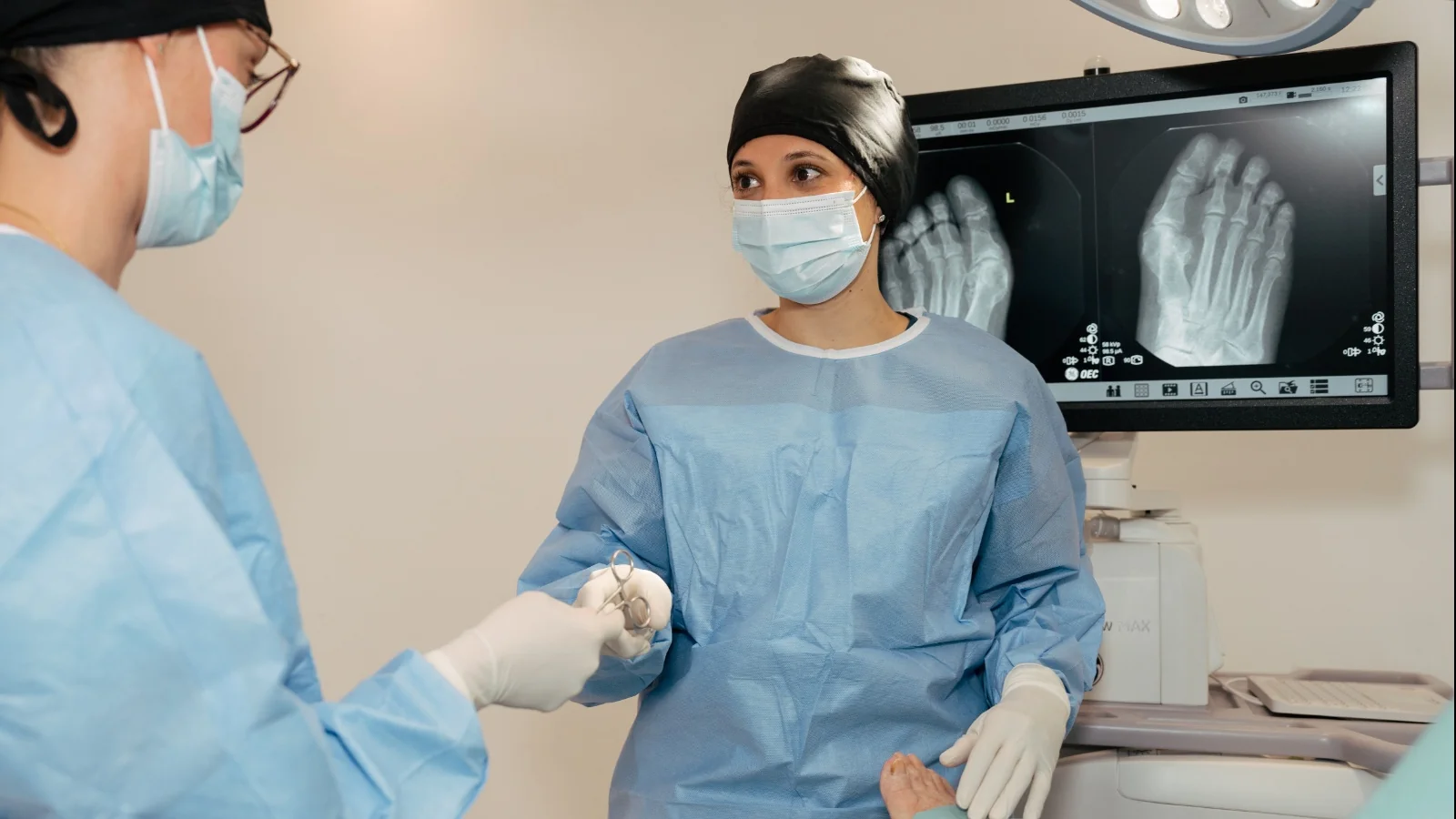
Health Emergency Technicians (TES) from Summa 112 will again gather this Wednesday in front of the General Directorate of Human Resources and Labor Relations of Sermas. The mobilization, driven by the Assembly of Tes Workers of Summa 112 and supported by the Union of Health Emergency Technicians of the Community of Madrid (Tescm), demands better contractual conditions under the slogan 'Without TES, Summa 112 does not function'.
The main points of the protest include professional classification into the C1 subgroup, an update to the specific complement, the recovery of the 35-hour work week, and improvements to operational bases.
“"It is not a reclassification, it is a classification."
David Flórez Prado, general secretary of Tescm, states that the primary demand is based on a professional classification they consider erroneous since the category's inception in 2016. TES were included in the C2 subgroup, despite the requirement for a Medium-Level Vocational Training qualification, an educational level associated with the C1 subgroup according to the Basic Statute of Public Employees.
The collective insists that the issue extends beyond salary differences, impacting the recognition of their specific training. In addition to classification, health workers are demanding a review of the specific complement, citing the hazardous, arduous, nocturnal, and shift-based nature of their work environment. The union has highlighted disparities among professionals who share vehicles and face similar risks.
The protest also calls for better material conditions for the operational bases of Summa 112. It was noted that some units have been based on upper hospital floors while mobile ICUs were parked in basements, leading to a critical loss of time in emergency interventions. The union emphasizes that 'every minute that passes means a 10 percent decrease in survival' in cases of cardiac arrest.
Deficiencies also affect 24-hour shifts, with bases lacking showers, adequate rest areas, or proper changing rooms, forcing workers to share bathrooms with patients. 'I am not asking for luxuries,' summarized one health emergency technician.
“"We are not asking to work less, but to return to what we had."
Another demand is the restoration of the 35-hour work week, which was approved in 2012 as a temporary measure linked to the economic crisis. The collective believes this measure should be reversed.
The union describes the profession as 'essential' and warns that the lack of administrative response is causing progressive burnout, which 'undermines our morale.' Despite this, commitment to patients remains the primary driver, acknowledging that 'in the end, you have a patient, and it's not their fault'.