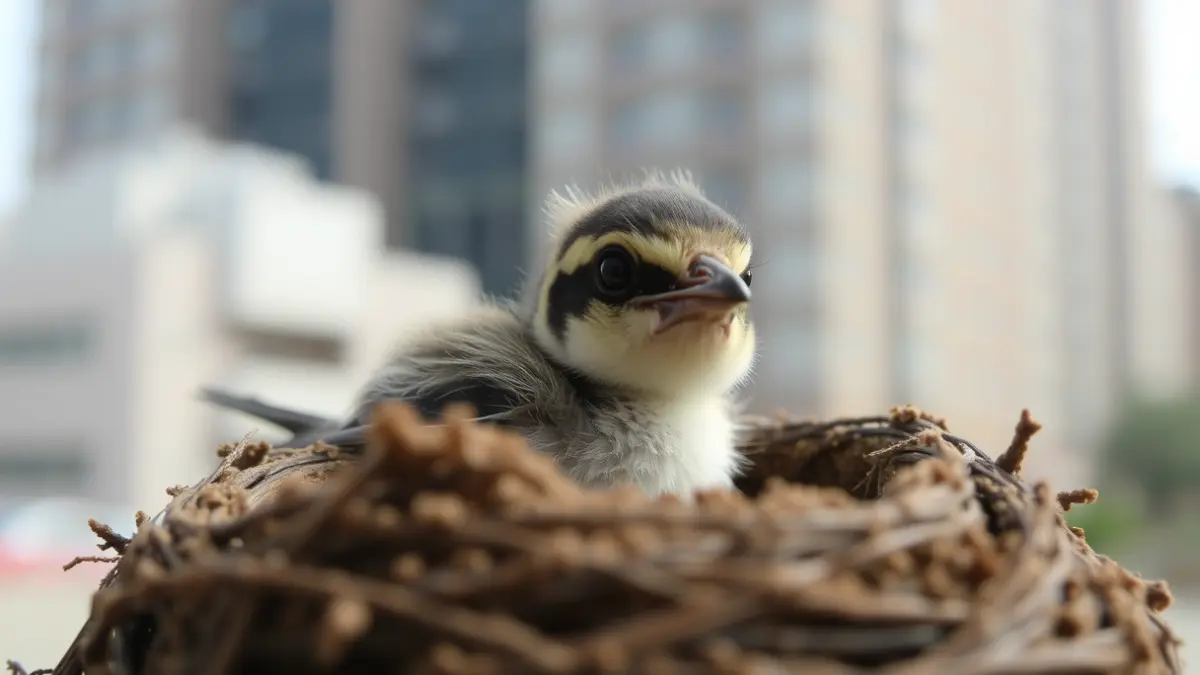
In 2025, the Community of Madrid carried out the reintroduction of 1,332 swift chicks, both common and pallid species, in the Cuzco area of the capital. This zone hosts a significant mixed colony of these birds, which facilitated the adaptation process for the new specimens.
The chicks came from the Félix Rodríguez de la Fuente Wildlife Recovery Center (CRAS), where they received specialized care after falling from their nests during the previous spring. The method used, known as 'fostering,' involved placing the chicks in nests with breeding pairs that already had chicks at a similar stage of development. In this way, the adoptive parents raised the new specimens as their own.
“"This practice, called fostering, ensures that many of them survive, as the food provided is appropriate, and by being with their conspecifics, they develop the skills they need to mature."
The results obtained in 2025 were very positive, with an impressive survival rate of 97.37% for the reintroduced chicks. Swifts arrive at the CRAS in an immature state, mainly due to premature falls from nests, often caused by high temperatures, as they usually nest on building roofs, which are highly exposed to solar radiation.
The previous year, the Wildlife Recovery Center recorded the admission of 1,547 swifts, most of them during June and July. There, professional staff provided constant care and adequate feeding until their reintroduction. The buildings chosen for the transfer of the chicks are official dependencies of the Ministries of Economy, Trade and Enterprise; of Industry and Tourism; and of Science, Innovation and Universities. Wildlife experts from the Community of Madrid have been collaborating since 2020 with the National Administration to promote urban biodiversity.