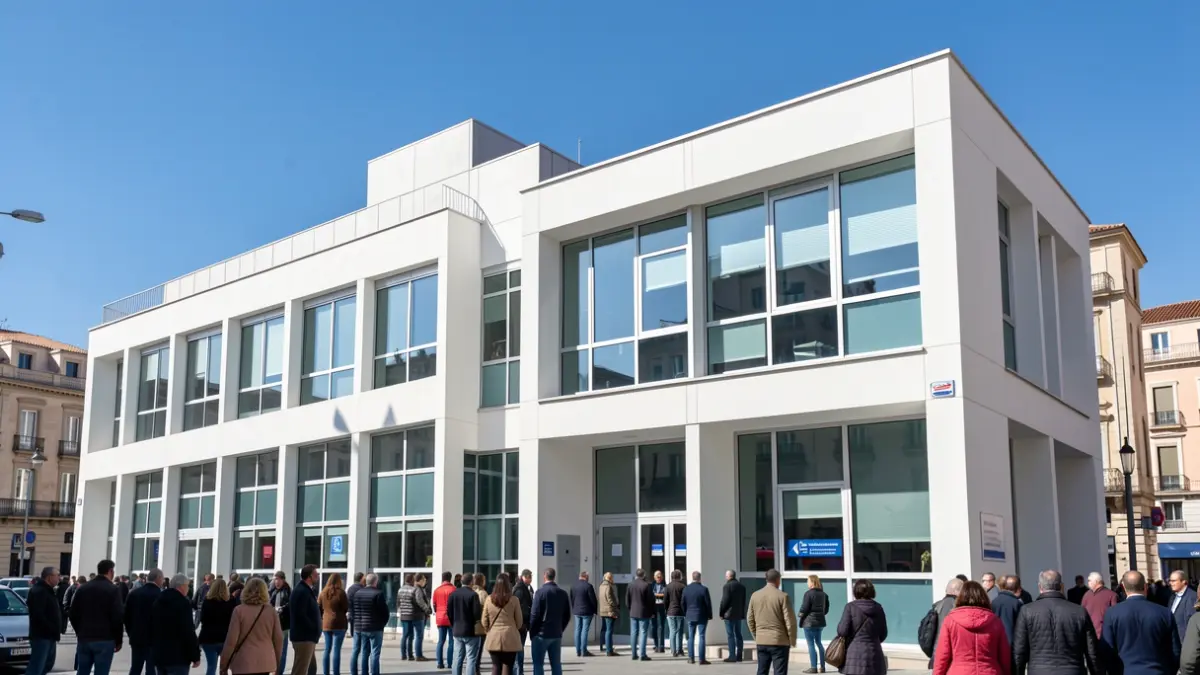

The IEAM was formally presented on April 16 at the European Parliament Office in Madrid. The event brought together institutional representatives, experts, international organizations, and African and European partners, who were introduced to the organization's initial work. The core message emphasized the need to address migration with rigor, a strategic vision, and less political simplification, given its structural importance for the future of both regions.
This day marked the public launch of an initiative that began in September 2025 under the leadership of an expert in the field. The Institute aims to generate applied analyses, propose innovative policies, and create platforms for dialogue among governments, researchers, civil society, diasporas, and the private sector. In its initial phase, the IEAM focuses on West Africa and the Sahel, areas that concentrate a significant portion of the migratory, geopolitical, and security tensions affecting Europe.
In just six months, the IEAM has produced technical reports, public policy documents, infographics, and strategic dialogue activities in various locations across Africa and Europe. It has organized workshops in Bamako, Dakar, and Rome, employing a methodology that integrates research, engagement, and public influence. The goal is to ensure that migration analysis transcends the academic realm and does not devolve into mere political slogans.
“"The project is born in an international context marked by accelerated information, polarization, and the growing difficulty in building effective, humane, and sustainable migration policies."
A Member of the European Parliament present at the event supported this approach, warning against the tendency to confuse integration issues with purely migratory matters. He advocated for a comprehensive approach to the phenomenon, arguing that Europe requires a coherent strategy that goes beyond reactive responses. The event also featured participants from African and European countries, who shared their perspectives on the challenges and opportunities presented by two-way migration. The IEAM plans to expand its presence into other territories and strengthen its network of collaborators across the African continent in the coming months.