
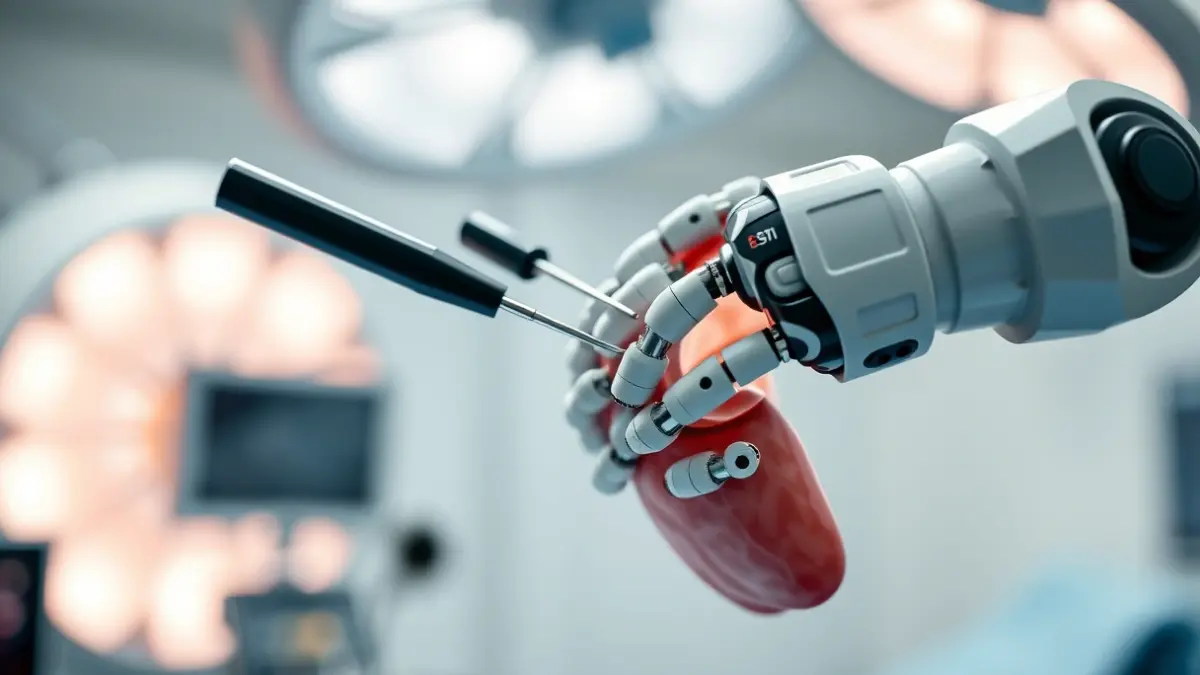
This innovative technique, a first in Spain, aims to minimize side effects in the donor area, one of the most significant challenges in these procedures. Robotic surgery allows for more precise and less invasive dissection, leading to reduced postoperative pain, lower risk of complications, shorter hospital stays, and faster recovery for patients.
The success of this intervention was made possible by the close collaboration between the Plastic Surgery and General Surgery teams at La Paz Hospital. Both departments combined their expertise in breast reconstruction with anatomical knowledge and skill in using the Da Vinci robotic surgery system.
The application of this technology has allowed for maximum precision in respecting crucial anatomical structures, such as perforator arteries and veins, which are responsible for irrigating the transplanted tissue from the abdomen to the chest. This significantly reduces the risk of injuries that could compromise the integrity of the abdominal wall.
“"This technology avoids large incisions in this part of the body, significantly reducing the risk of developing a hernia or wall weaknesses after the intervention."
Although robotic surgery has been established in fields such as Gynecology, General Surgery, and Urology, its implementation in Plastic Surgery is still limited. Specialists believe its potential is enormous for tissue harvesting and mobilization between different parts of the body. La Paz Hospital performs an average of 120 microvascular tissue transfers annually, many of them for patients who have undergone a mastectomy due to a breast cancer diagnosis.