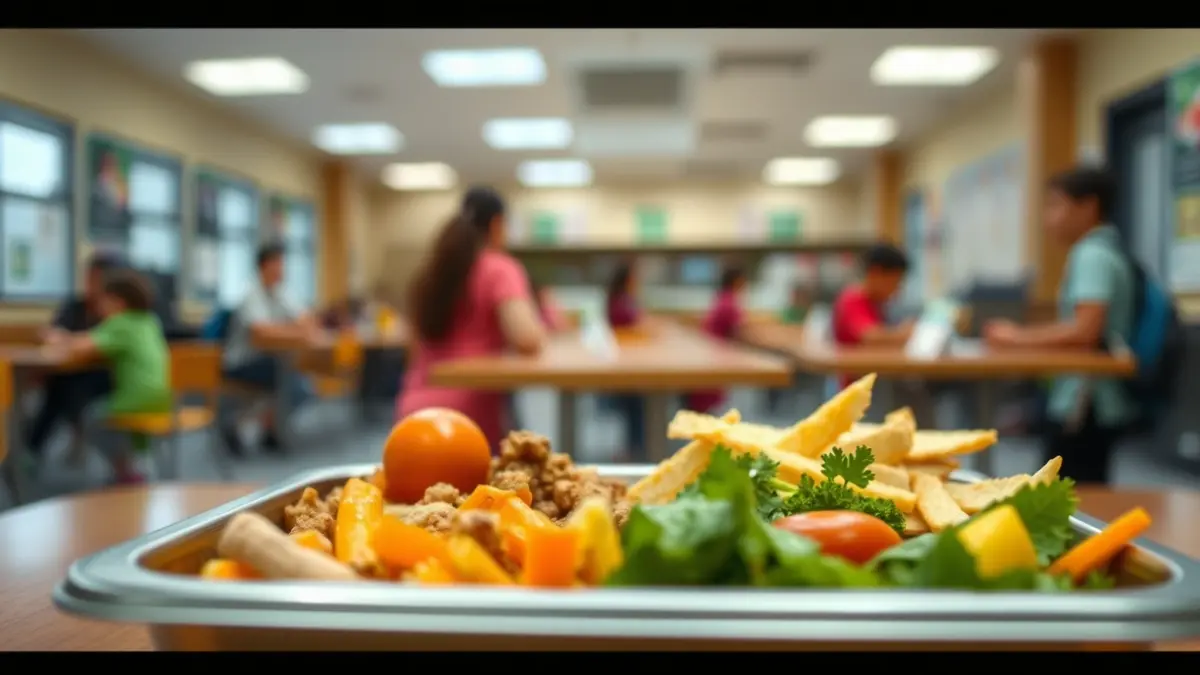
The number of students benefiting from school lunch grants in the Community of Madrid continues to rise. During the current academic year, a total of 146,000 students have received these aids, representing an increase of nearly 20,000 beneficiaries compared to the previous year. This growth highlights the increasing demand and families' awareness of this support program.
To ensure the continuity of this support, the regional government has approved a budget of 75.4 million euros to fund the call for applications for the 2026/27 academic year. This figure constitutes the largest investment made to date in school lunch grants in the region.
The majority of this funding, 68 million euros, comes directly from the Community of Madrid. The remaining 7.4 million euros are contributed by the City Council of the capital, through a collaboration agreement. This municipal contribution aims to strengthen aid for families deemed most vulnerable by social services, allowing some households to receive a higher amount than the standard regional grant.
“"The most common condition for accessing these grants is economic: that the family's per capita income does not exceed 8,400 euros per year."
General requirements for accessing these grants include that the family's per capita income does not exceed 8,400 euros annually and that children are enrolled in public or subsidized schools in the region, from Early Childhood Education to fourth year of ESO. However, exceptions exist for families receiving the Minimum Insertion Income or the Minimum Vital Income, as well as for victims of gender violence or terrorism, children in foster care, and child refugees from conflicts such as that in Ukraine, who are guaranteed a full grant.
Additionally, children of military personnel and police officers stationed in the Community of Madrid can also apply for assistance, regardless of their income. For large families with per capita incomes between 8,400 and 10,000 euros, a 30% subsidy on the cost of school meals is offered.
The application period for these grants will open in the coming days, once the call is published in the official gazette of the Community. Applications can be submitted in various ways: online through the Community of Madrid portal, via the Digital Account, at official registries, or directly at schools. Families who were already beneficiaries in the 2025/26 academic year can apply for a simplified extension, provided their situation has not changed.