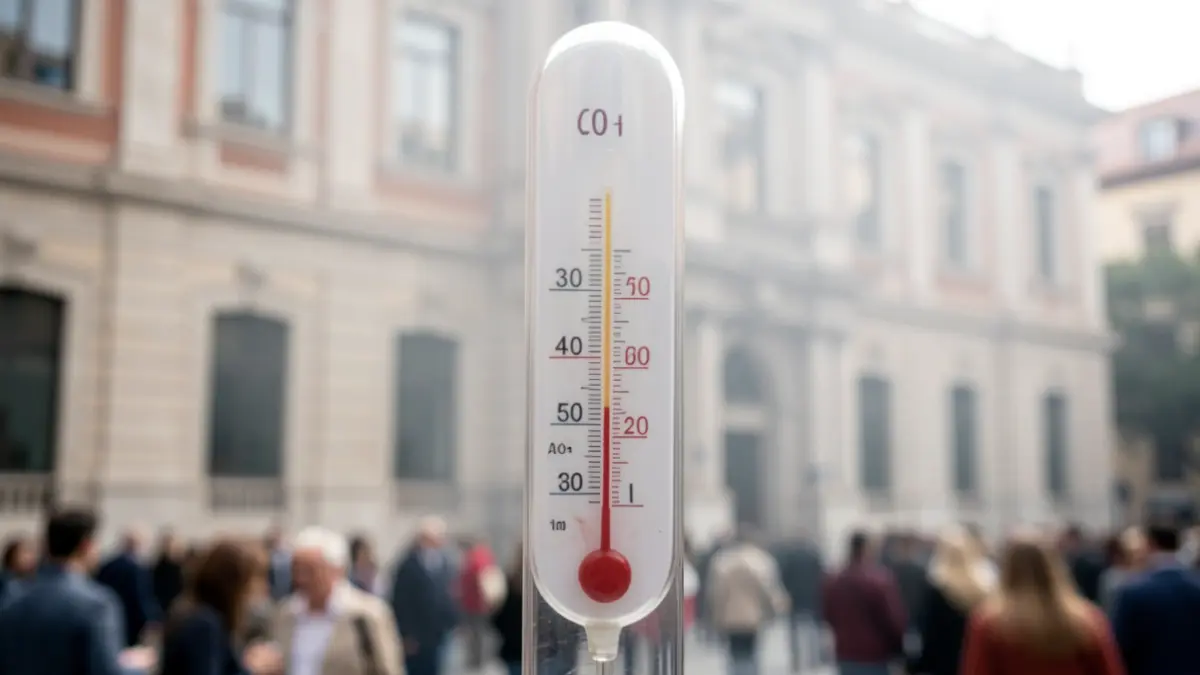
The statements by the Minister of Culture of the Community of Madrid, Marino de Paco, suggesting that heat can be a "source of inspiration" for students, have reignited the debate on the conditions in Madrid's educational centers during heatwaves. Shortly after, the spokesperson for Más Madrid in the City Council, Rita Maestre, accused the regional government and the Consistory of a lack of political will to address this issue, which she believes could have been resolved by prioritizing investment in schools over projects like the Formula 1 circuit.
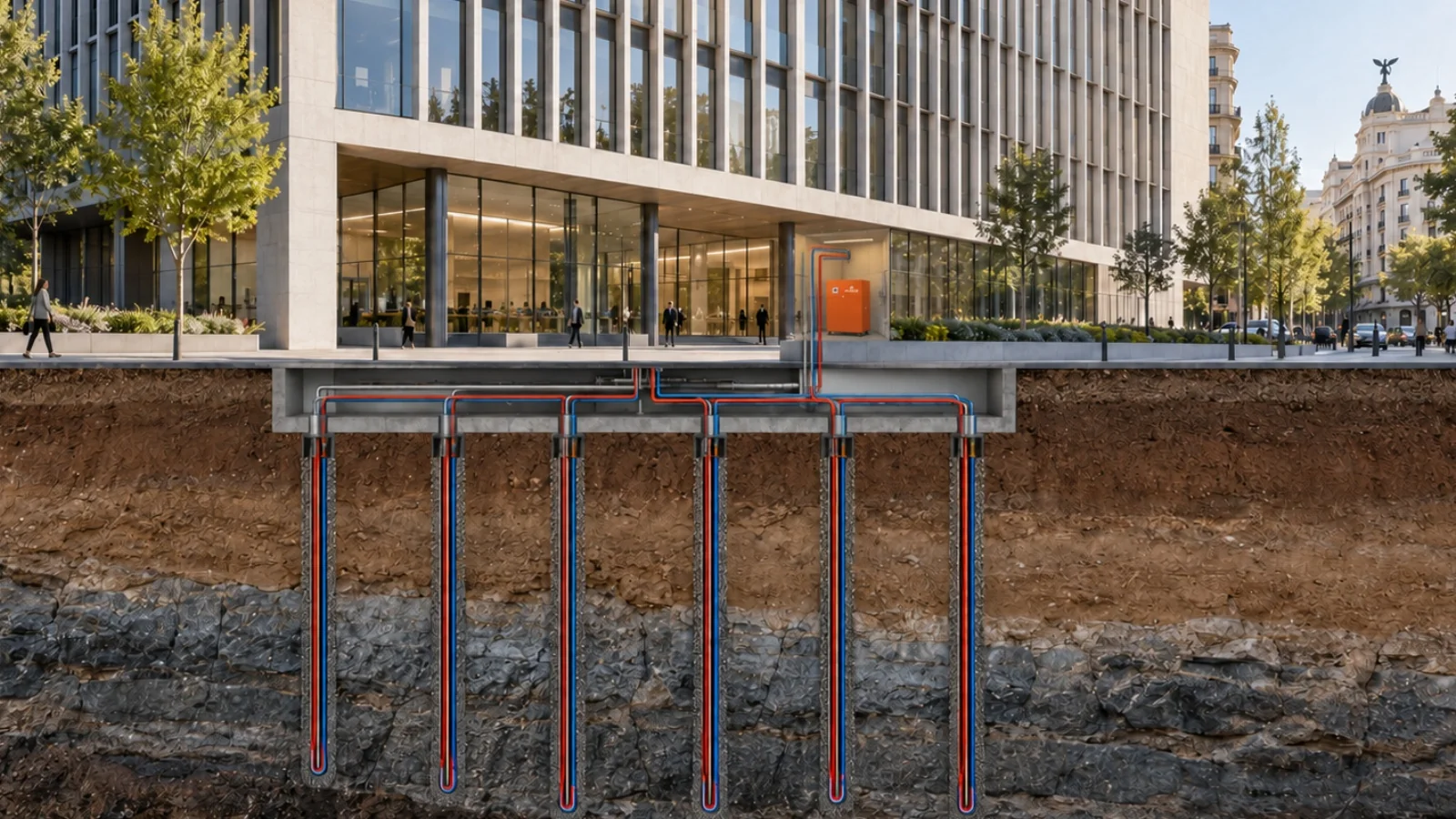
From outside the CEIP Nuestra Señora de La Paloma, in the Centro district, Maestre described the situation experienced by students and teachers in recent weeks as "unsustainable," rejecting the budgetary or technical explanations offered by the administrations. "If we have 400 million euros to spend on a Formula 1 circuit and the technical capacity to build an infrastructure of this magnitude, we also have the money and the capacity to install shades, fountains, trees, improve windows, and air-condition schools and institutes," she stated.
The Más Madrid spokesperson argued that the resources allocated to the future Madrid track could have been used to adapt educational centers to high temperatures, a demand that has gained momentum after several intense heat episodes in the region's classrooms. She recalled that the problem persists in summer, as many schools host urban camps in facilities that remain unconditioned. "I do not accept the excuse of lack of budget and capacity; it is only a lack of political will," she concluded.
The criticisms arise after Mariano de Paco's response in the Assembly plenary, where he compared the situation to that of the writer Vicente Medina composing works under high temperatures. De Paco's remarks, in which he mentioned taking his daughter to school in light clothing, were applauded by the Popular Party benches and criticized by the opposition.
Alongside Maestre, representatives from the association Aprender sin Calor (Learn without Heat), promoted by families, have called for structural solutions. Its spokesperson, Alejandra Pérez de la Vega, warned that the situation requires a "real and long-term" response, clarifying that the demands include not only air conditioning but also shaded areas, tree planting, and improvements to roofs and windows.
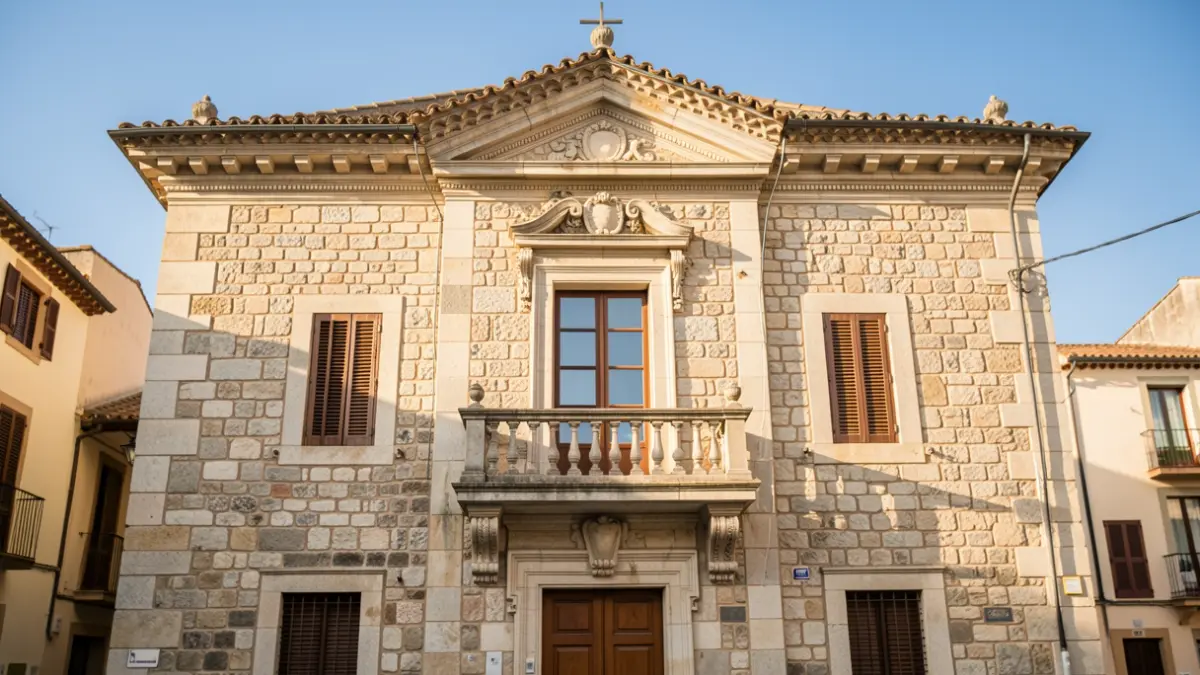
At CEIP Nuestra Señora de La Paloma, a protected building over a hundred years old, the situation is critical: it lacks thermal conditioning, shade in the playground, and only has fans and water to combat the heat. The Community of Madrid has stated that it is the responsibility of the centers themselves, but they lack the financial resources to implement measures.
This protest joins the mobilizations by families, unions, and educational associations. Comisiones Obreras has filed a complaint with the Labor Inspectorate, and organizations have called for resuming the debate on air conditioning educational buildings, an initiative previously rejected by PP and Vox in the Madrid Assembly.