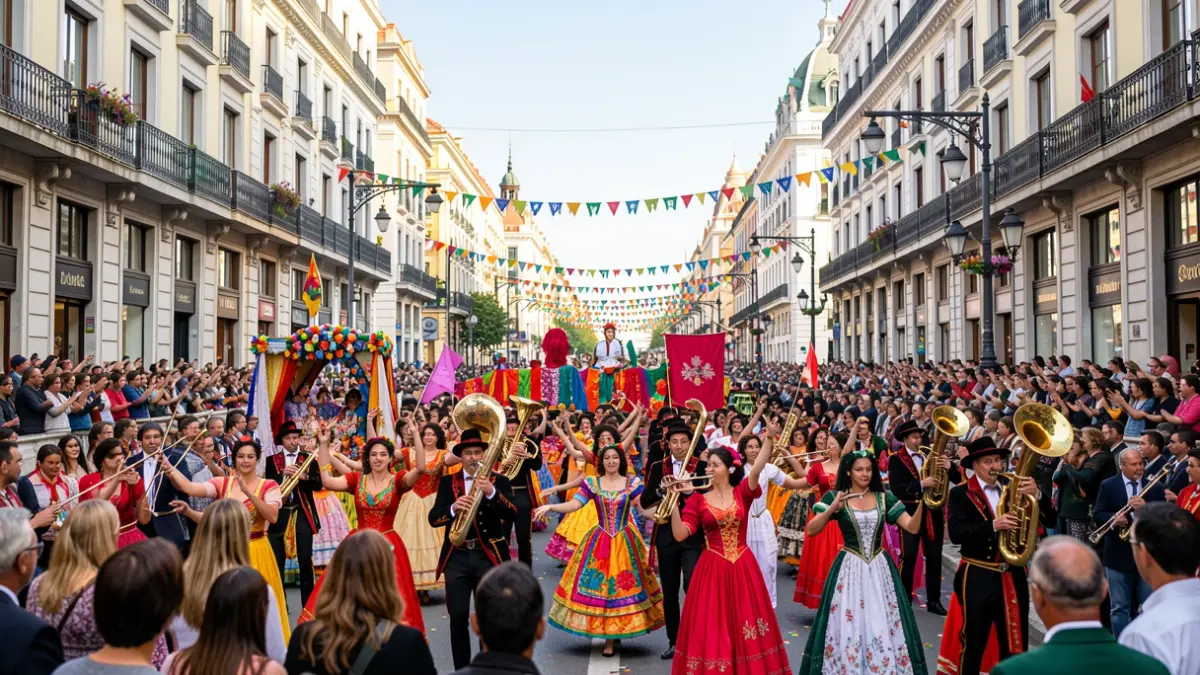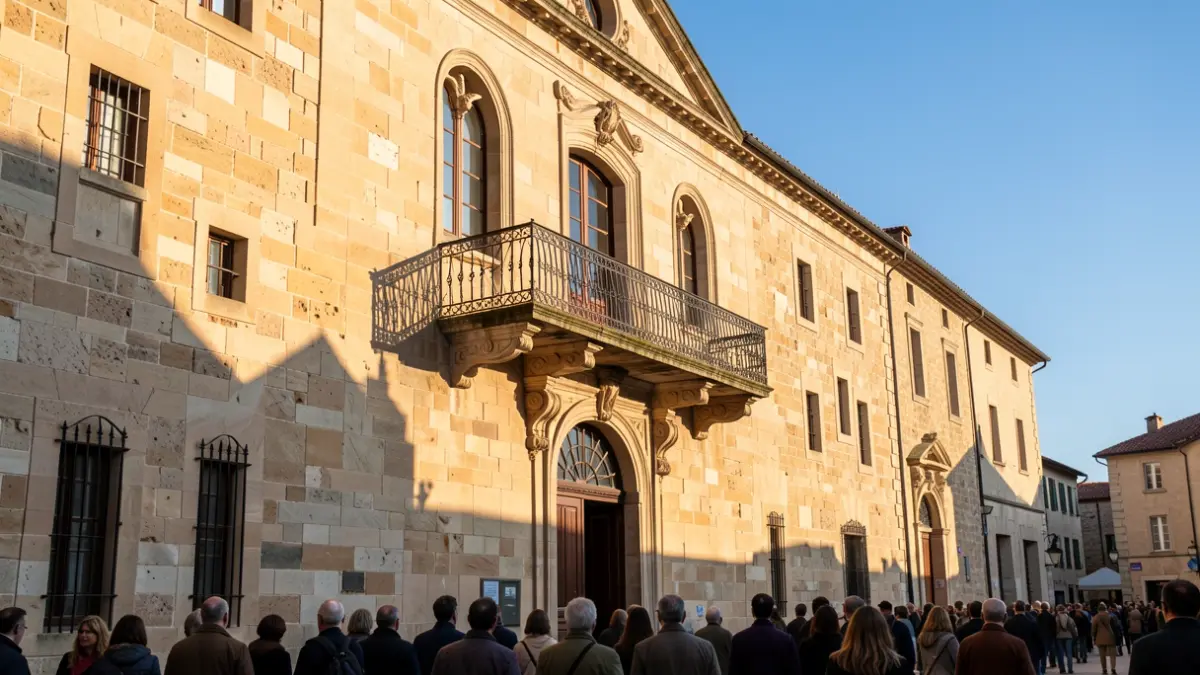
The Pradera de San Isidro hosted the return of poetic jousts on Sunday, during the closing day of the patron saint festivities. These literary contests, which enjoyed great popularity during the Golden Age, had been absent for decades.
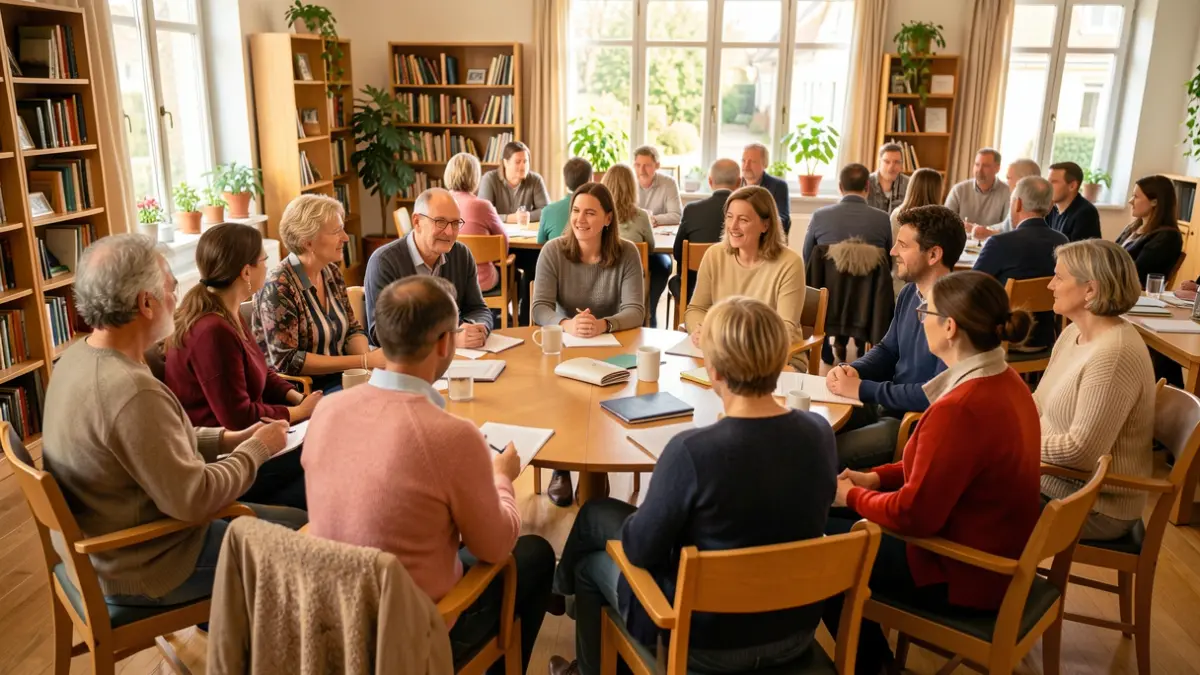
In these encounters, participants competed by reciting original verses on a proposed theme. For this inaugural edition, the central theme was the city of Madrid. The I Encounter of Poetic Jousts of San Isidro brought together six authors who shared their compositions in a non-competitive event, organized by the Municipal Board of Carabanchel.
The district's councilor-president, Carlos Izquierdo, inaugurated the event, recalling that poetic jousts originated in the Middle Ages and reached their peak in the Golden Age, with figures like Lope de Vega. Izquierdo noted that, with the new splendor of the Pradera, traditional Madrid culture is also being revived.
Participants included journalist Pedro Simón, Catalan poet Noemí Trujillo, writer Elisa María Fernández, the duo Victoria Clarkson (formed by sisters Susana and María del Carmen Sanz), and poet and playwright Alberto Morate, who also served as host.
“"Madrid is the best city in the world to be newly separated, newly abandoned, newly resurrected, newly arrived."
Pedro Simón opened the joust with a poem about Madrid's identity and the capital's welcoming nature. Noemí Trujillo presented a reinterpretation of the miracle of San Isidro's well, engaging in a poetic dialogue with Lope de Vega and Ángel González. Elisa María Fernández dedicated her verses to her father, a former driver of the bus known as "el azul".
The duo Victoria Clarkson focused their presentation on a declaration of love, which, after exploring various virtues and emotions, revealed the city of Madrid itself as the recipient. Alberto Morate closed the event with three poems inspired by different corners of the capital and recognizable city symbols.
The event concluded with the presentation of a commemorative plaque to all participants. Carlos Izquierdo assured that this initiative will continue in the coming years, thus consolidating the revival of a Madrid literary tradition that the district aims to keep alive.