The paulownia (Paulownia tomentosa), native to China and valued in Japan, stands out for its exceptional ability to absorb carbon dioxide and produce oxygen, surpassing many other species. It is estimated that one specimen captures approximately 21.7 kg of CO₂ and releases 5.9 kg of O₂ daily, figures four to ten times higher than those of other trees.
This tree adapts to poor or contaminated soils, contributing to their regeneration and improving soil permeability and water retention. Furthermore, it shows great resistance to drought and fire, withstanding temperatures up to 425 °C. Its resistance to diseases and pests, and its low attractiveness to mosquitoes, are other benefits. Traditionally, it has been used in Chinese medicine to treat liver and kidney ailments.
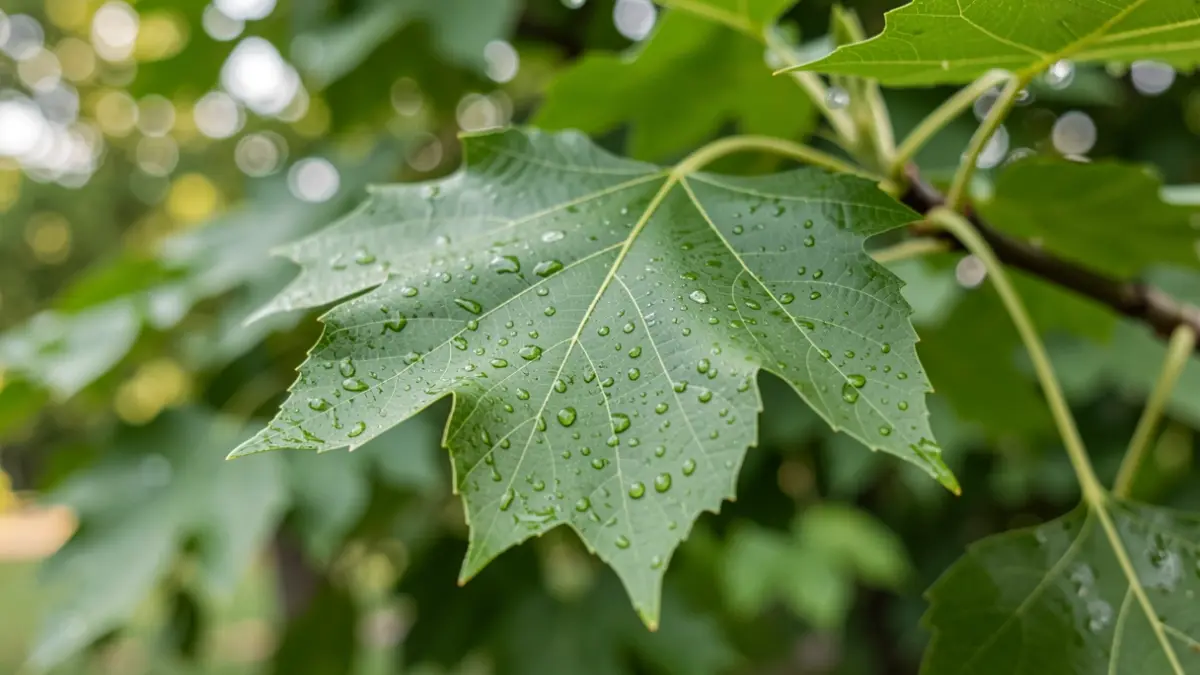
The paulownia is one of the fastest-growing trees. Chinese tradition associates its planting with the birth of girls, using its light and strong wood for wedding trousseaus. Historically, its dried seeds were used to protect porcelain during transport, and its fibers for pillow and mattress filling. Its large leaves and violet flowers give it considerable ornamental value.
Meanwhile, the elm (Celtis australis), native to the Mediterranean basin, is known in the Iberian Peninsula as lodón, a name it shares with the Madrid locality of Torrelodones. Its robust trunk, harmonious branches, and broad, rounded crown offer dense, cool shade, ideal for urban summers. Its dark fruits were historically used to make liqueurs and jams.
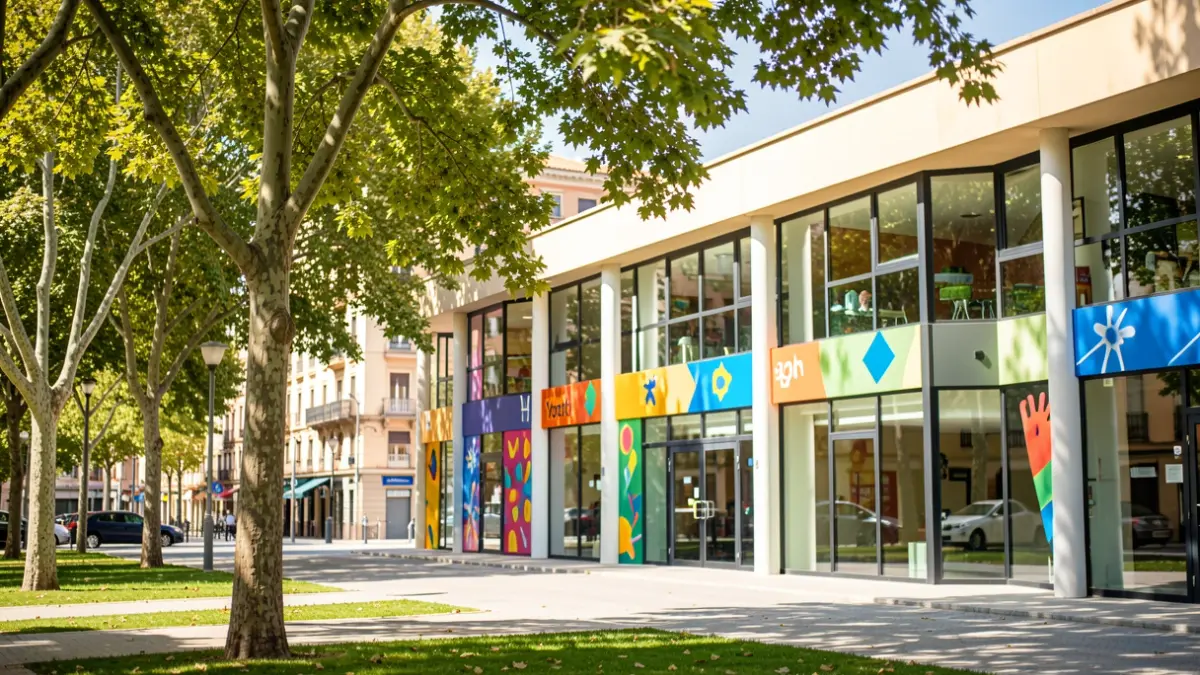
Deciduous trees, like the elm, are particularly suitable for the streets of Madrid, providing shade in summer and allowing sunlight in winter. Along with the London plane tree, the elm creates more comfortable urban environments and helps improve air quality, capturing pollutants and mitigating the urban heat island effect.
Other species such as the linden, elm, maple, paulownia, ginkgo, acacias, flowering pear, Chinese lantern tree, or sweetgum also deserve a greater presence for their ornamental value and environmental benefits. The right choice of trees is an investment in health, comfort, and quality of life, as important as basic urban infrastructure.