The uprising of May 2nd, 1808 in Madrid, a pivotal event in Spanish history, left a trail of victims, yet only a few names have managed to endure in collective memory. Among them, the figure of a young woman stands out, her story intertwined with the city's history, even as the exact details of her life and death remain subject to analysis.
This young woman, the daughter of a French-born baker, is listed among the victims of the repression that followed the outbreak. Her story has been popularized with a specific image: that of being executed for carrying scissors, considered a weapon amidst the chaos of those days. However, no direct testimonies confirm this version, and reconstructing the events is complex.
What we now remember as a clear story was, most likely, much more confusing.
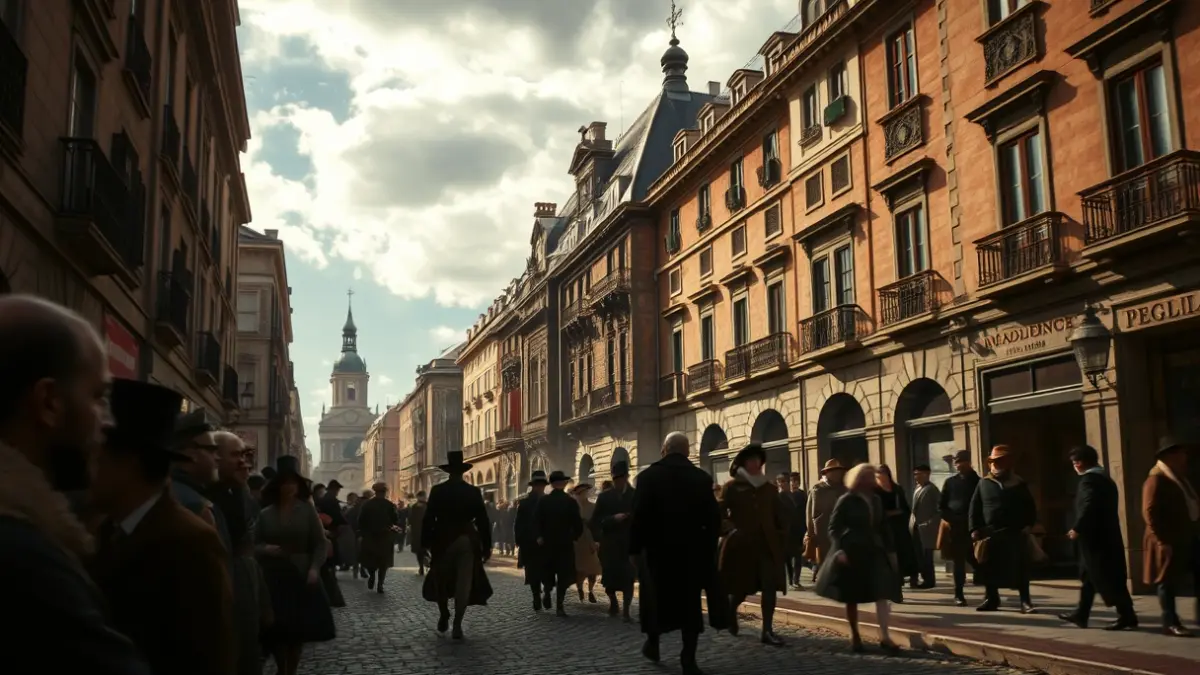
Madrid in 1808 did not experience an organized revolt, but a spontaneous outburst. The French response, led by General Joaquín Murat on behalf of Napoleon Bonaparte, was immediate and brutal, with executions and summary trials. In this context, any object could be interpreted as a threat, adding layers of complexity to individual accounts.
Despite not being the only victim, this young woman's name has persisted, even lending itself to one of Madrid's most emblematic neighborhoods. Her story embodies the elements of a symbol: youth, humble origins, and a death that lends itself to a simple narrative, which has contributed to its endurance in popular memory, beyond historical accuracy.