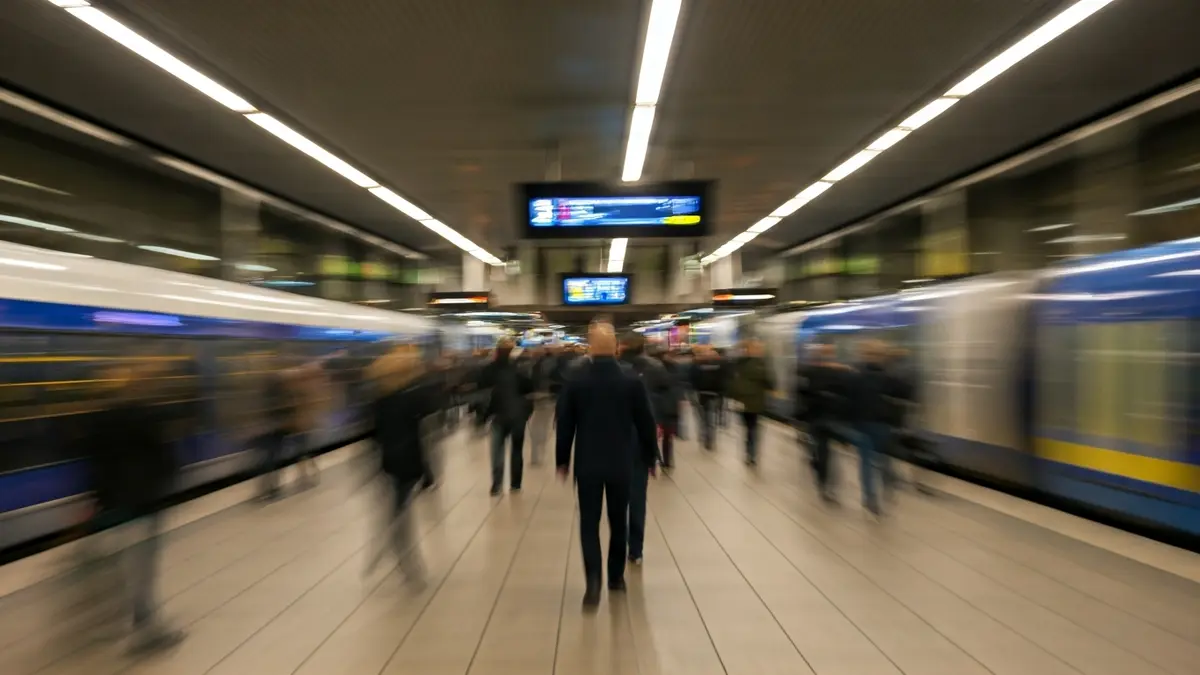
Since its establishment in 1985, the CRTM has been a pioneer in metropolitan transport management, unifying modes such as the metro, Cercanías commuter trains, and interurban buses under a single fare system and a single pass. This integration facilitates the daily mobility of over three million people residing outside the capital.
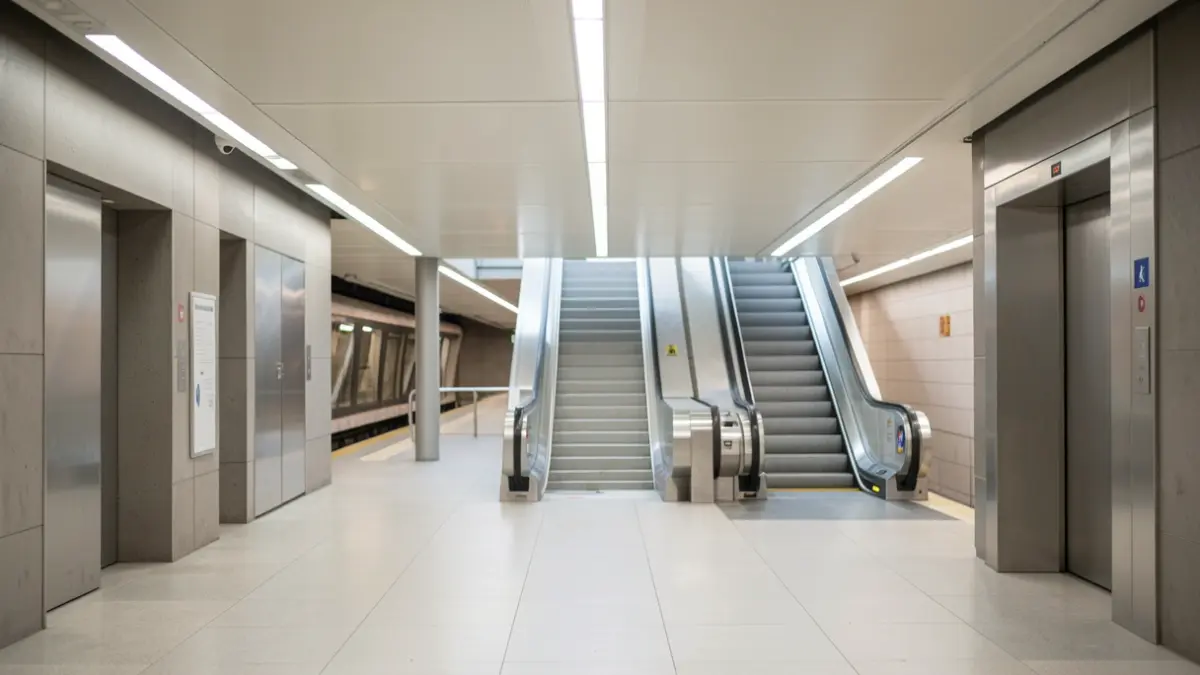
The current network of the Community of Madrid, according to 2026 data, includes 302 metro stations across 12 lines, 9 Cercanías lines with 96 stations, over 200 EMT bus lines in the capital, and more than 200 interurban lines connecting the 179 municipalities. The CRTM's budget for 2026 amounts to 1.982 million euros, with plans for a new payment system incorporating bank cards, mobile, and QR codes.
An efficient public transport network is not just infrastructure: it is a mechanism for territorial equity. Without transport, more distant or less favored municipalities are excluded from the capital's job market.
The Personal Transport Pass allows the use of all these services with a single monthly ticket, with prices varying by zone (A, B1, B2, B3, C1, C2, E1, E2) based on distance from the capital. Significant discounts are also applied for young people under 26 years old, a measure aimed at encouraging public transport use and facilitating access to employment and education from more distant locations.
Currently, the CRTM is developing the new Concessional Transport Map, which will reorganize and expand the interurban bus service. This plan seeks to adapt to demographic changes and the growth of municipalities benefiting from initiatives like the Plan Vive, ensuring that the expansion of affordable housing is accompanied by adequate connectivity to the capital.