The Spanish capital has revealed the design of the future cabins for the Cable Car, which will resume operations in 2027 following a comprehensive renovation. The presentation took place during the Global Mobility Call, a significant international mobility event held at IFEMA Madrid.
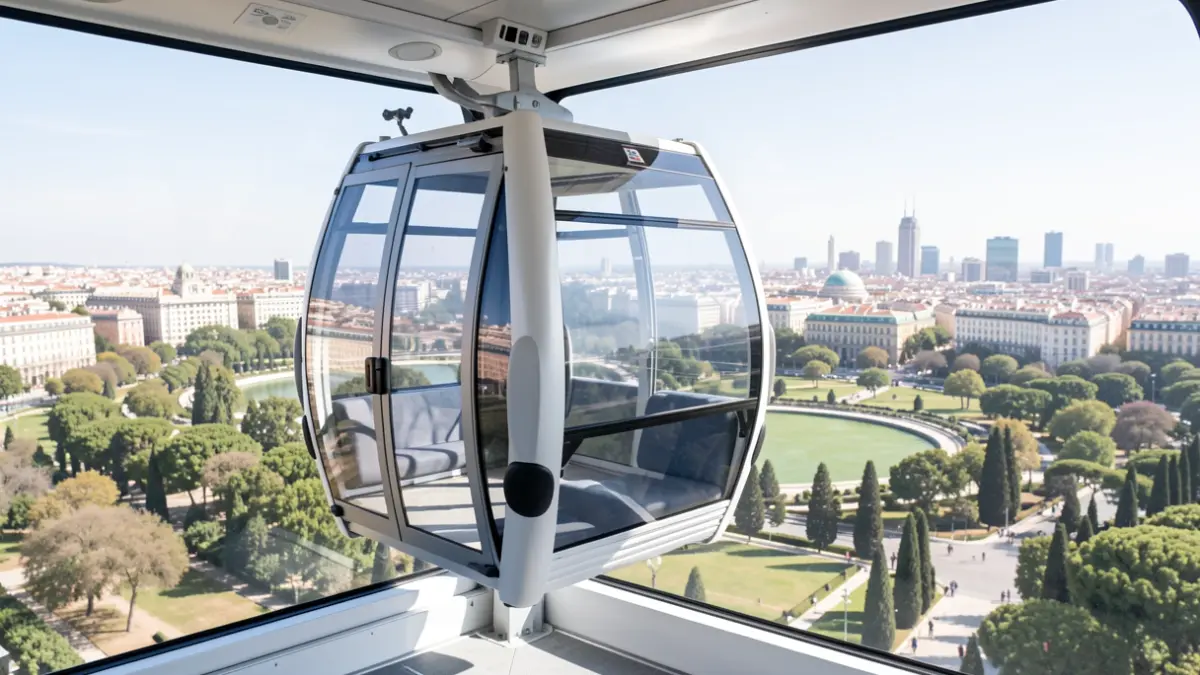
These new cabins will be fully panoramic, ensuring accessibility for people with reduced mobility. Each cabin will accommodate ten passengers, a substantial increase from the older cabins that could carry between four and six. Some will even feature glass floors, promising a more immersive experience during the journey over the Casa de Campo.
The complete renovation of the Cable Car represents an investment of 26.6 million euros. Construction work has already commenced with the dismantling of the existing facilities and the building of new infrastructure. The project is scheduled for completion by the end of this year, followed by a testing period before its anticipated reopening in the first quarter of 2027.
The new system will feature 47 cabins and cover the 2.5 kilometers connecting Pintor Rosales with the Casa de Campo in an estimated journey time of ten to twelve minutes. Furthermore, it will incorporate cutting-edge technology, including smart sensors, artificial intelligence analysis systems, and connectivity to provide real-time service information.
The Madrid City Council also plans to enhance the connection to the Casa de Campo by installing a bicimad station, thereby facilitating travel within this expansive green space of the capital.
As explained by the delegate for Urbanism, Environment, and Mobility of the Madrid City Council, Borja Carabante, the renovated Cable Car aims to re-establish itself as one of Madrid's premier attractions and serve as a privileged gateway to the Casa de Campo.