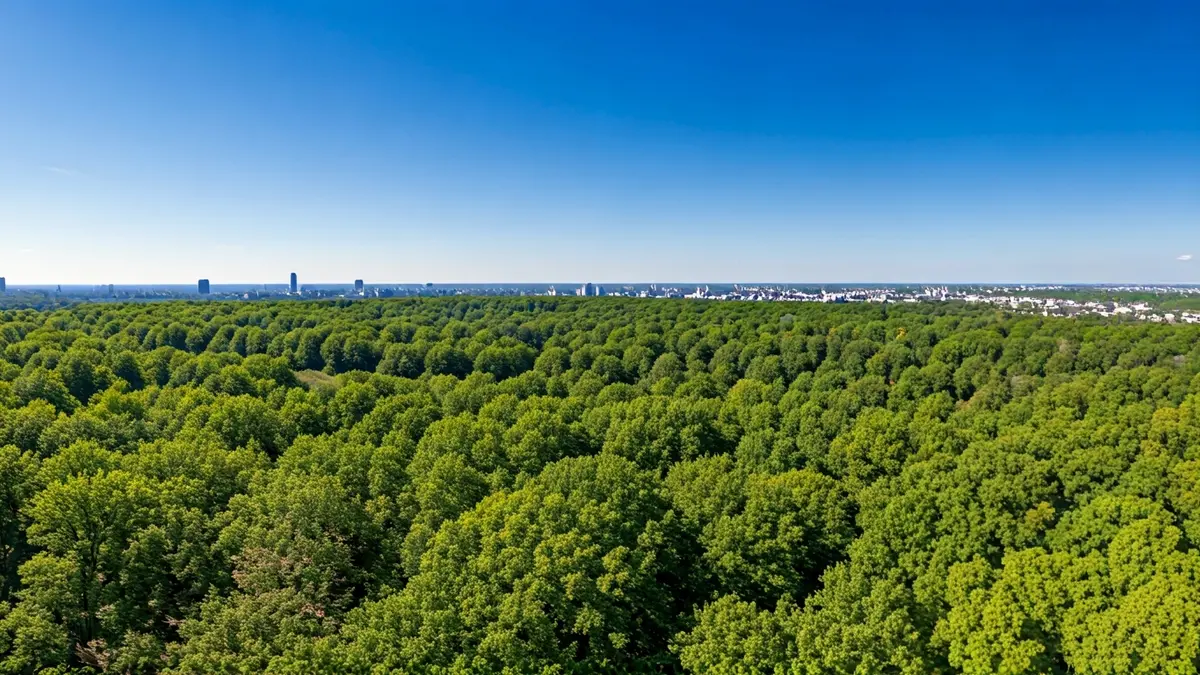
This project, set to span 12 years, aims to become Europe's largest green infrastructure this decade. Its goal is to connect Madrid's major natural areas, such as El Pardo, the Manzanares River, and the southern mountains, forming a continuous corridor that will benefit millions of Madrid residents in environmental, social, and health terms.
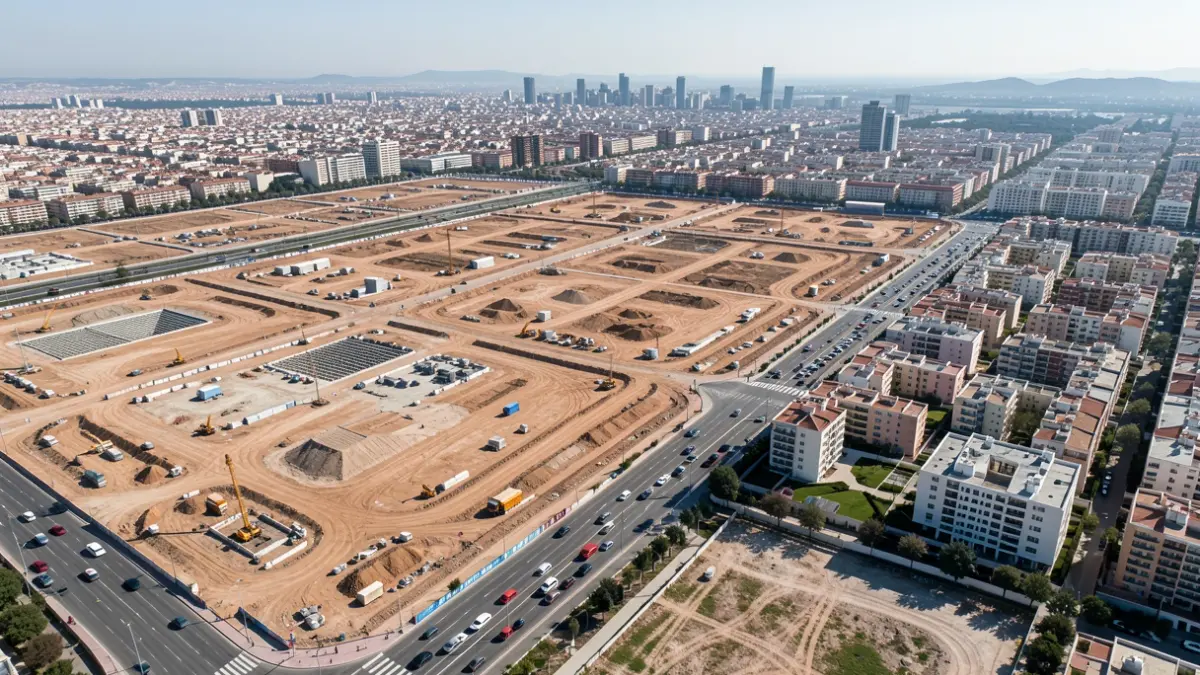
The Metropolitan Forest is not a conventional park but a forest corridor that utilizes and connects existing areas with new plantings in urban and peri-urban voids. Since the first tree was planted in December 2020 in Campo de las Naciones, progress has been made across various city zones. It is estimated that, once mature, the forest will absorb 170,000 tons of CO₂ annually.
The Metropolitan Forest is Madrid's most ambitious response to climate change and the need for more nature in the city.
A key feature of the project is the selection of native Mediterranean species, such as holm oaks, willows, ash trees, elms, poplars, stone pines, and kermes oaks, along with shrubs like broom, hawthorn, oleander, rosemary, thyme, and juniper. This choice ensures better adaptation to Madrid's climate, reduced water and maintenance needs, and a positive ecological impact by attracting local fauna and preserving biodiversity.
The benefits of the Metropolitan Forest are numerous: in addition to CO₂ absorption and improved air quality, it will contribute to reducing the urban heat island effect, conserving biodiversity, enhancing citizen well-being by offering access to natural spaces, and decreasing noise pollution. The project is publicly accessible and free, and the Madrid City Council provides information on planted areas on its official website.