The city of Madrid is preparing for one of the most significant mobility and security challenges in its recent history with the upcoming visit of Pope Leo XIV, scheduled from June 6 to 9. The City Council has activated an extraordinary operation that will affect the capital's main north-south axis for nearly two weeks, drastically altering traffic flow in crucial areas such as Plaza de Cibeles and Plaza de Lima.
Mayor José Luis Martínez-Almeida has described the event as "historic" and of "unprecedented magnitude," even surpassing the NATO summit in terms of duration, attendees, and planned official displacements. Madrid is expected to welcome hundreds of thousands of people for the central events, including the vigil at Plaza de Lima and the massive mass at Cibeles.
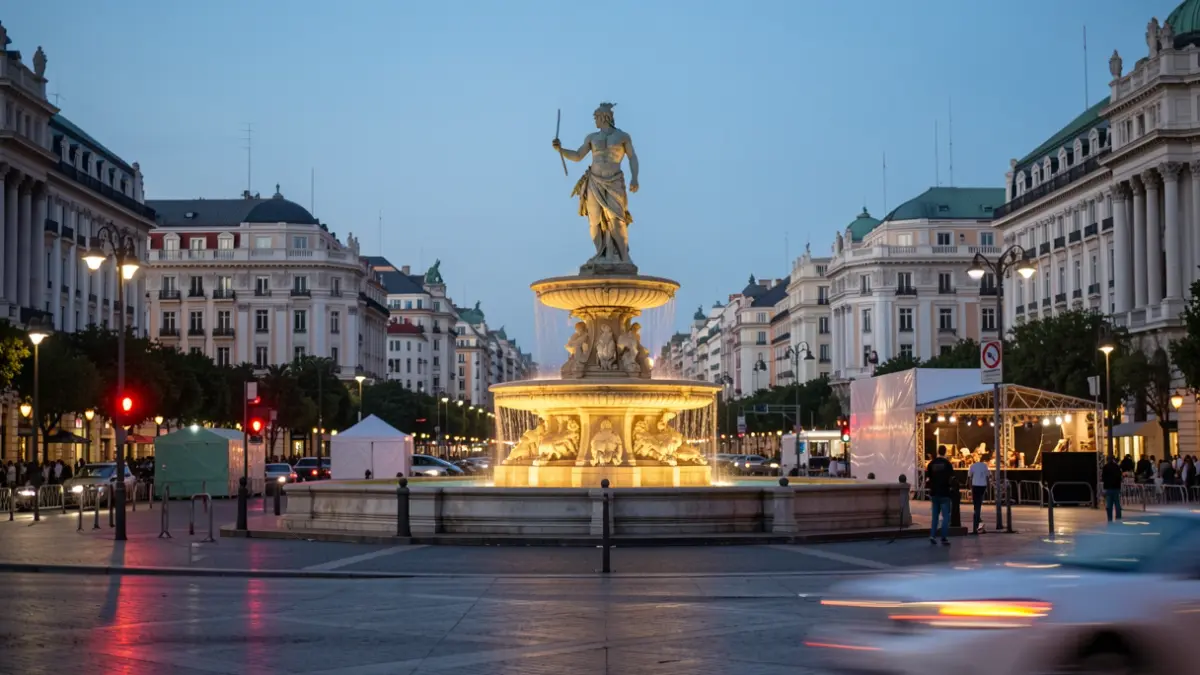
The main disruptions are concentrated along the Castellana-Recoletos-Prado axis. Starting May 21, Plaza de Cibeles will begin receiving material for the papal mass stage. From May 23, one lane of the Paseo del Prado northbound will be occupied, and from May 25, three additional lanes will be dedicated to the assembly of choir structures. Full traffic closure around Cibeles will occur on June 4.
Plaza de Lima will experience similar restrictions. From May 21, one northbound lane between San Juan de la Cruz and Nuevos Ministerios will be occupied. From May 25, the central lanes of the roundabout will be closed, allowing traffic only on the sides. The complete closure of the Plaza de Lima area will take place on June 3.
The City Council acknowledges "significant impacts" starting May 25, anticipating that June 3 and 4 will be the most challenging days with the complete closure of both locations. Martínez-Almeida emphasizes the "difficult and complicated" management of this situation due to the direct impact on Madrid's main traffic corridor.
To mitigate potential collapse, public transport will be the backbone of the operation. Between June 3 and 9, all EMT buses will be free of charge, and the fleet will be reinforced by 25%, especially during the weekend of June 6-7. The taxi sector will also cooperate, allowing the entire fleet to operate without mandatory weekly rest days during these dates.
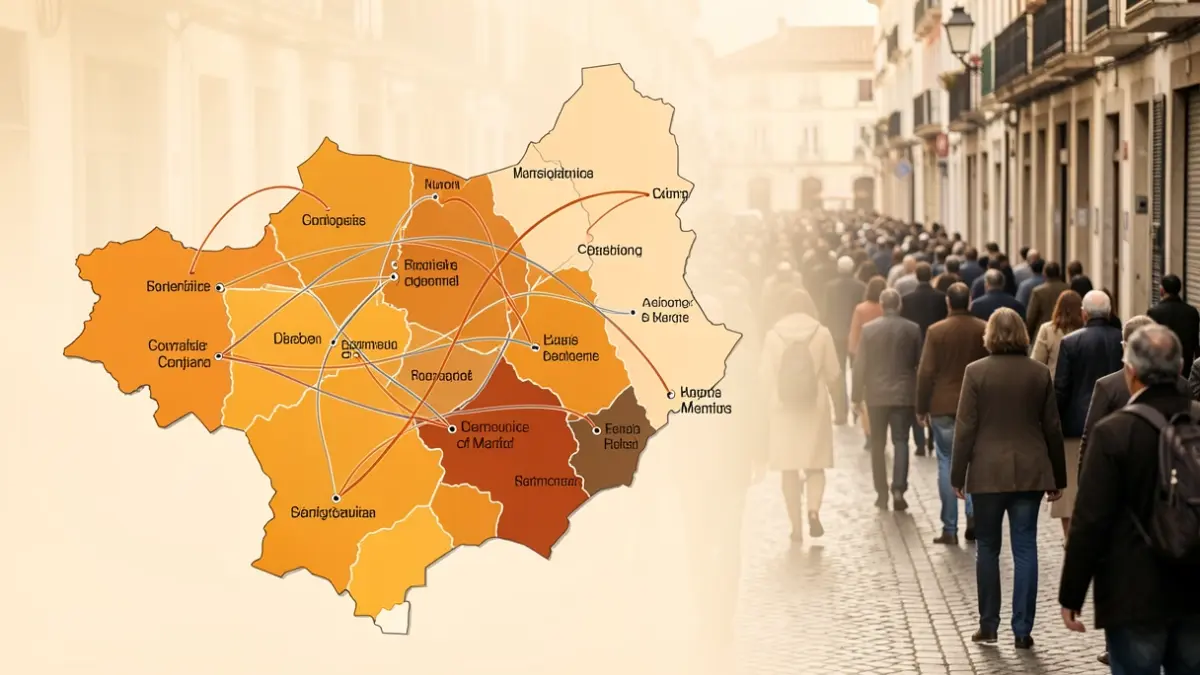
It is recommended to avoid unnecessary private vehicle travel, using the M-30 as the primary alternative for crossing the city. The mayor highlights this route as a priority for absorbing much of the traffic diverted from Castellana. Alternative routes are also proposed via Bravo Murillo, Santa Engracia, Serrano, Velázquez, Príncipe de Vergara, Francisco Silvela, and Joaquín Costa. Collaboration with platforms like Google and Waze is planned for real-time traffic updates.
Another key measure involves reducing work-related travel. The City Council will implement teleworking for its municipal employees from June 3 to 9 and urges companies to adopt similar measures or flexible working hours to alleviate pressure on transport and traffic.
In addition to fixed restrictions, there will be occasional traffic cuts due to the movements of the Pope, the King and Queen, the Prime Minister, and other authorities participating in official events. For security reasons, specific routes will not be disclosed, but it is assured that closures will be "for the minimum time necessary," similar to state visits.
The municipal operation will mobilize approximately 4,000 Municipal Police officers, along with personnel from the Fire Department and Samur-Civil Protection (nearly 1,000 health professionals). Advanced medical posts, containers, and chemical toilets will be installed, and 33 sports facilities in schools will be used to accommodate visitors.
Martínez-Almeida requests understanding from Madrid's residents, emphasizing that the goal is to "ensure minimal mobility" and prevent the city from collapsing during this exceptional visit.