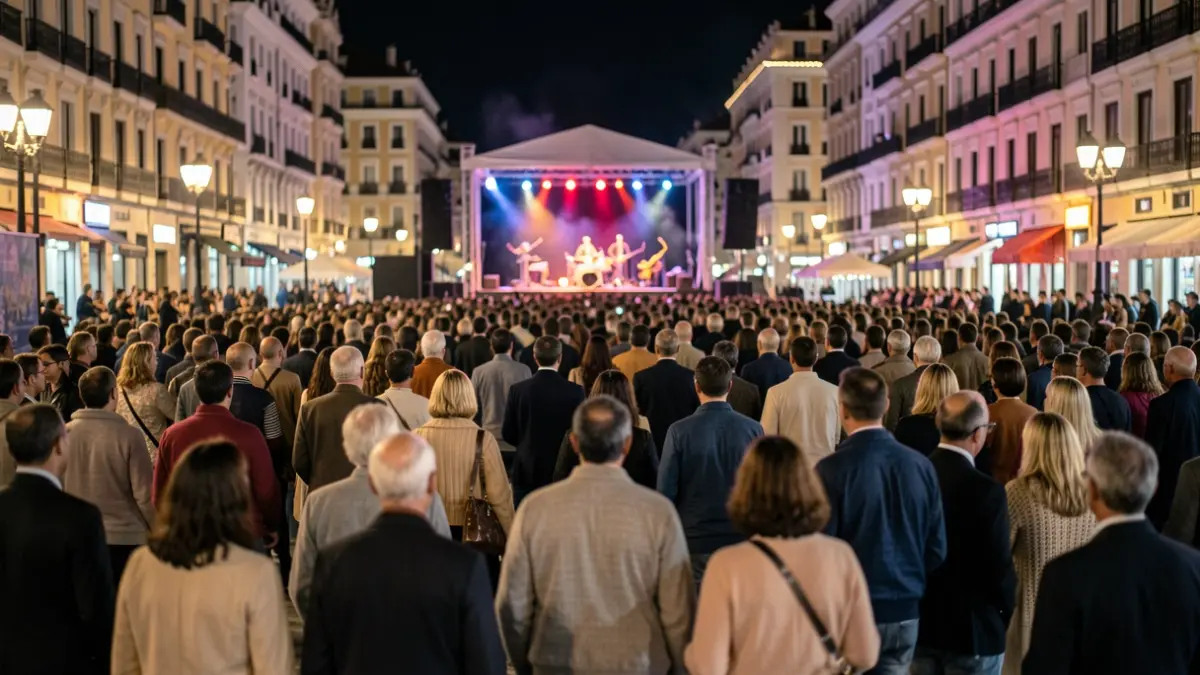
The city of Madrid hosted the European edition of the Council on Vertical Urbanism (CVU) Europe Conference, a key international event on vertical urbanism and high-rise urban development. Professionals from various sectors, including urban planning, architecture, engineering, and public administration, gathered to discuss the future growth of cities in the face of increasing demand for housing, mobility, and sustainability.
“"Madrid handles density in an elegant way. The epicenter of this densification is, precisely, Madrid Nuevo Norte."
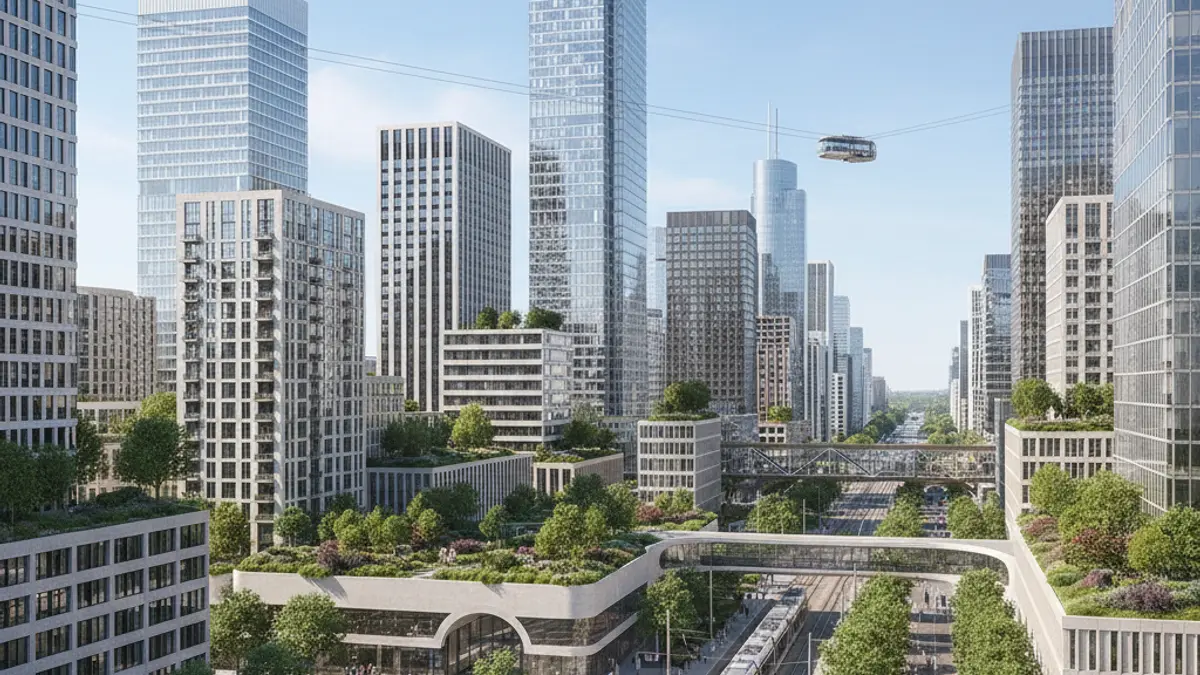
According to the CVU president, Madrid's selection was not random, emphasizing that the Madrid Nuevo Norte project offers concrete solutions to urban challenges such as mobility and access to housing. This project, considered the largest ongoing urban renewal in Spain, aims to create a new area in the north of the capital with a combination of housing, offices, shops, and green spaces, designed to be compact, connected, and walkable.
During the conference, a representative from the project's promoting company, Crea Madrid Nuevo Norte (CreaMNN), presented a paper titled “Madrid Nuevo Norte: Vertical Urbanism as City‑Making.” It outlined the project's foundations, stressing that high-rise construction is not an end in itself, but a tool to contribute to the urban system.
The speaker explained that, historically, high-rise construction has evolved from a symbolic meaning to an economic operation starting in the 19th century, especially in cities like New York or Chicago. However, he warned that skyscrapers, while maximizing land use, have often created cities defined by partial interests, often disconnected from public space.
“"Height alone does not create a city or guarantee habitable environments."
The Madrid Nuevo Norte project is based on three pillars: balanced density that reduces distances and promotes walkable neighborhoods; a mixed-use approach integrating housing, offices, and commerce to ensure constant activity; and connected mobility, supported by an efficient public transport system that complements the idea of the “15-minute city” with a broader vision of a “45-minute region.”
Finally, it was highlighted that the development of Madrid Nuevo Norte is the result of a collaborative process, based on institutional agreements, multidisciplinary planning, citizen participation, and public-private coordination. This approach has allowed for adjusting density and height to the real conditions of the environment and shared objectives, prioritizing urban quality and responding to the needs of Madrid's society.