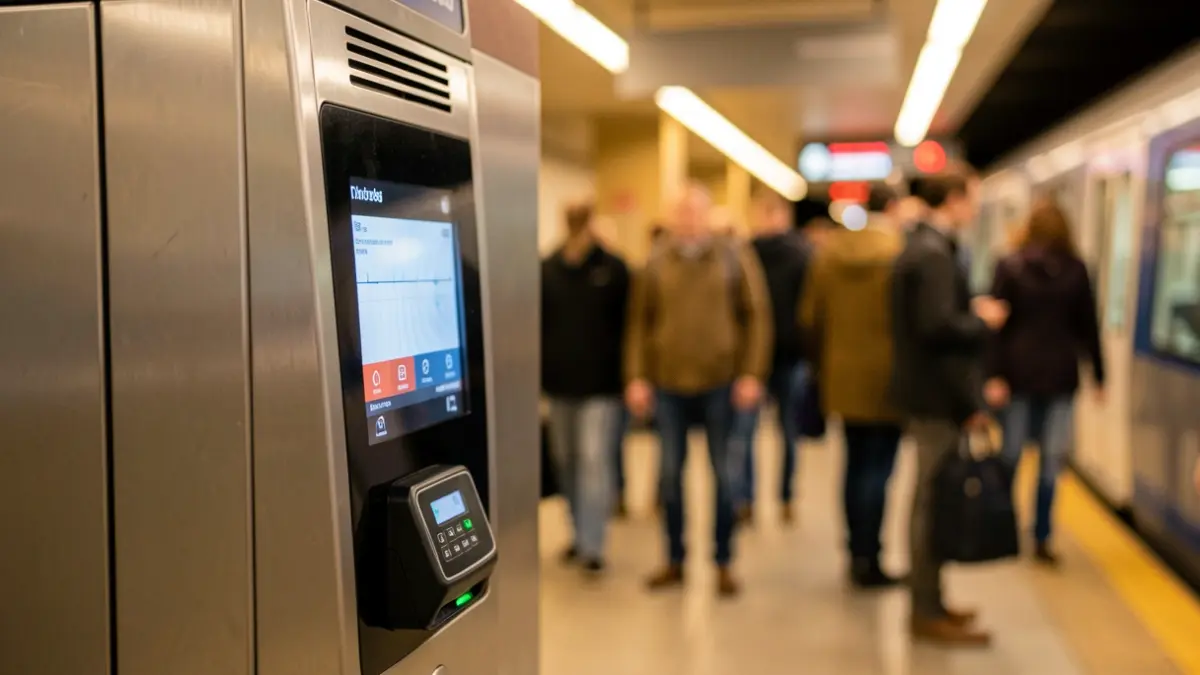
These new turnstiles, designed and patented by the company itself, offer significant improvements in accessibility and traveler information, while also optimizing maintenance. The design expands the passage space without compromising the capacity of station lobbies.
Key technical features include integrated information screens, speakers, and LED panels, along with a visual system that instantly confirms correct journey validation, enhancing the experience of accessing the subway system.
A notable innovation is the ability to enter the metro using credit or debit bank cards, both physical cards and those integrated into smartphones or smartwatches via contactless technology, an option available since June 1st.
The equipment is constructed with anti-vandalism materials and incorporates fewer mechanical components, thereby reducing maintenance costs for the network. Its development was carried out by Metro professionals after analyzing the specific needs of travelers and company staff.
Stations such as Avenida de América, Cuatro Caminos, Moncloa, Nuevos Ministerios, Plaza Elíptica, Príncipe Pío, Tribunal, Usera, and Getafe Central now feature these new turnstiles, experiencing improved access flow and better user information.
The second phase of the project has already seen the installation of 38 new turnstiles at Ventas, El Casar, and Feria de Madrid, with plans to incorporate an additional 272 units before embarking on a third expansion phase.
The first phase was financed by the Recovery, Transformation, and Resilience Plan with Next Generation EU funds, while the second phase is co-financed by 40% from the FEDER Program 2021-2027 of the Comunidad de Madrid, supporting initiatives for more sustainable and modern urban mobility.