These new, already operational devices replace previous models and are designed to simplify the purchase and top-up of the Public Transport Card (TTP). The initiative aims to benefit regular commuters, tourists, elderly individuals, and users with disabilities by offering a more intuitive interface and advanced features.
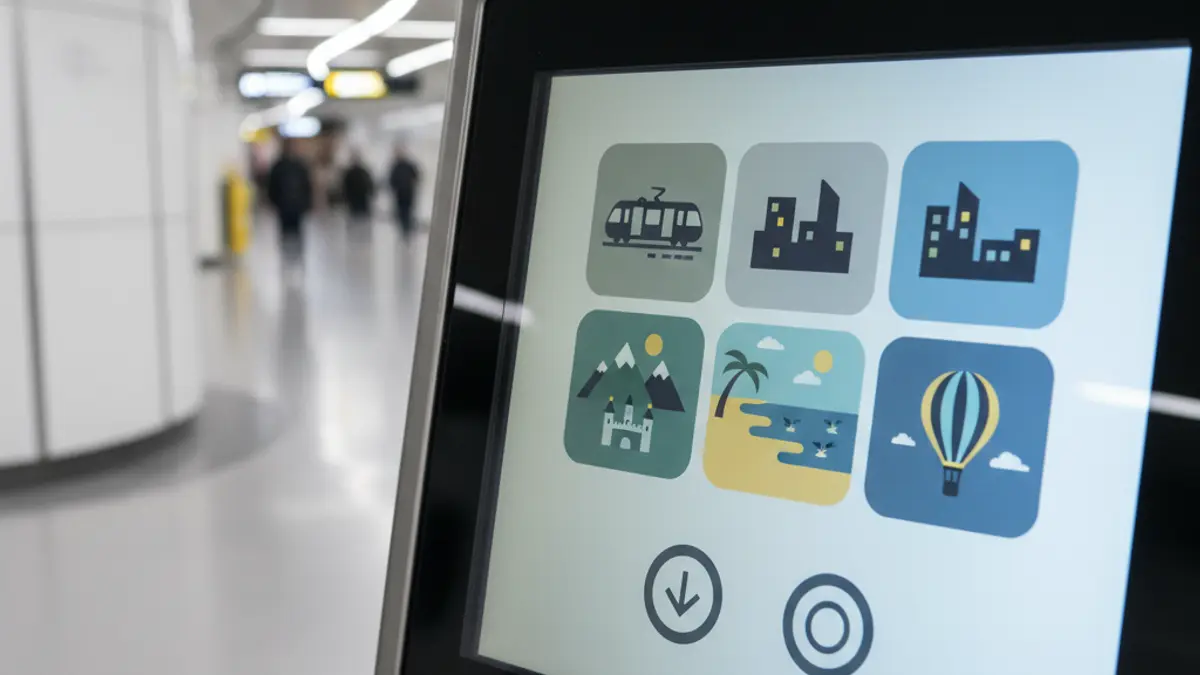
Among the most notable improvements is a 42-inch high-definition screen, which significantly enhances readability and simplifies journey selection. The machines allow for more direct destination choices, featuring images of popular locations and major tourist attractions, along with a natural language interaction system, similar to voice assistants, making them easier to use for those unfamiliar with the network or who do not speak Spanish.
Accessibility has been a priority in the design, incorporating an induction loop for individuals with hearing impairments and an ergonomic design that facilitates use for people with reduced mobility. Furthermore, payment options have been adapted to current accessibility regulations.
“"When a user has questions or needs help, they can directly contact an agent through the device's screen, without having to search for an employee in the station."
One of the most striking innovations is the integrated camera for remote video call assistance, which will be available from the last quarter of 2026. This feature will allow users to resolve queries or request assistance directly from an agent.
The installation of these 200 machines is the first phase of a more ambitious modernization project that plans for the incorporation of an additional 145 units before 2027. The total investment exceeds 9 million euros, funded through the European Union's Recovery, Transformation and Resilience Plan, under the Next Generation EU program. These new machines also improve the work of maintenance staff thanks to automated opening systems that speed up interventions.