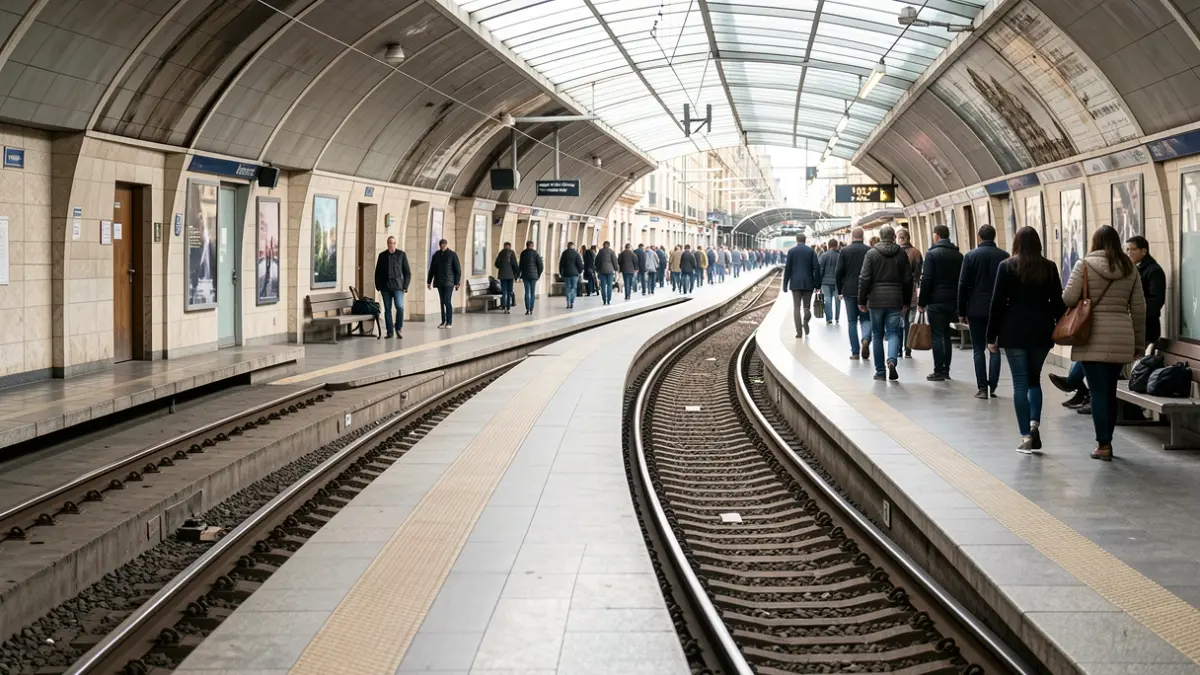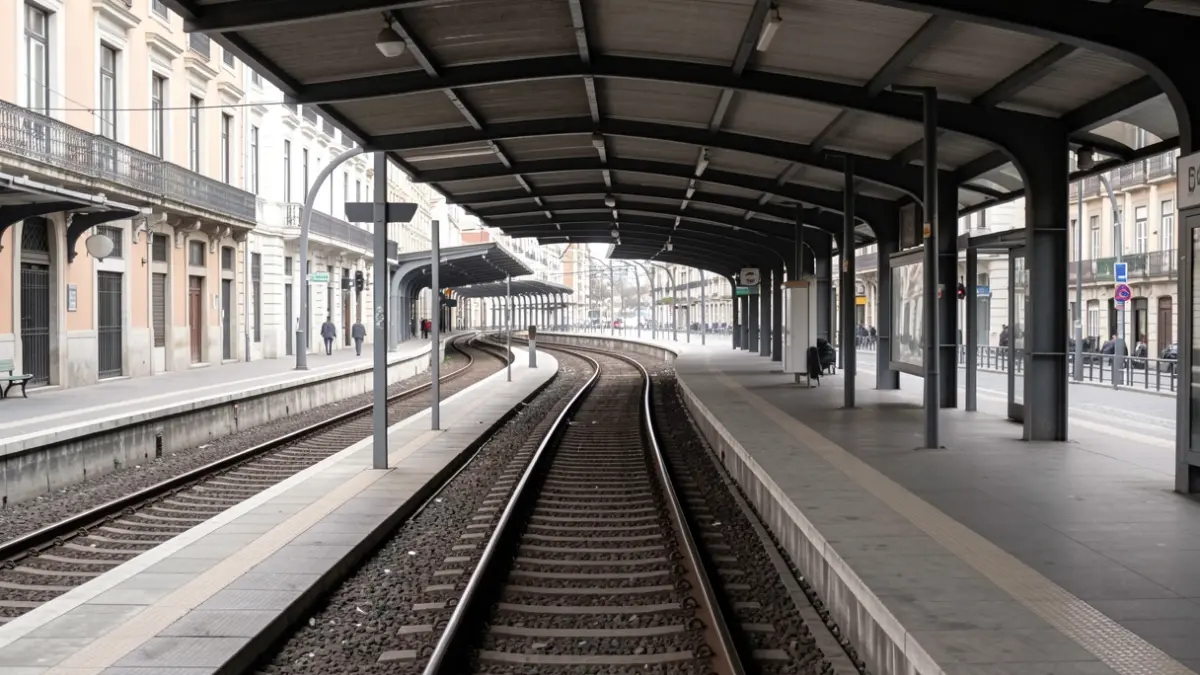
The Madrid subway system is preparing for a historic transformation with the expansion of Line 1 to Madrid Nuevo Norte. The Community of Madrid has confirmed that this extension will be carried out using a novel formula for the network: a double terminus.
This new system means that trains on L1 will have two possible routes. One will start at Pinar de Chamartín and the other at Fuencarral Norte. Both routes will converge on a shared section ending in Valdecarros. The measure aims to eliminate the need for transfers for residents in these areas.
The Minister of Housing, Transport, and Infrastructure, Jorge Rodrigo, announced the decision after a meeting regarding the urban development of Madrid Nuevo Norte. Rodrigo compared the system to metro networks in cities like London, where trains with different origins share a route.
The choice of this alternative stems from a study made available for public consultation, which analyzed five options. Citizen participation was key in opting for the fifth option, considered the most suitable. This system allows for the maintenance of the current configuration of Line 4 and preserves the terminus at Pinar de Chamartín, facilitating travel for future residents without affecting current frequencies at Pinar de Chamartín and Bambú.
The project includes the construction of three new stations: Centro de Negocios, Fuencarral Sur, and Fuencarral Norte. It is estimated that this improvement will benefit approximately 175,000 citizens, including current residents and future inhabitants of Madrid Nuevo Norte. The new line configuration will not be operational until the urban development is completed.
In parallel, the development of Madrid Nuevo Norte plans for the construction of 10,500 homes, with at least 2,100 having some form of official protection. This figure could increase by up to 30% thanks to the recent Law of Urgent Measures approved by the regional government, which allows for increased buildability and density.
Rodrigo emphasized the importance of resident participation in shaping the project, calling it key to the area's mobility. The regional government's objective is to continue listening to citizen input to adapt the public transport network to the needs of both established neighborhoods and new developments.