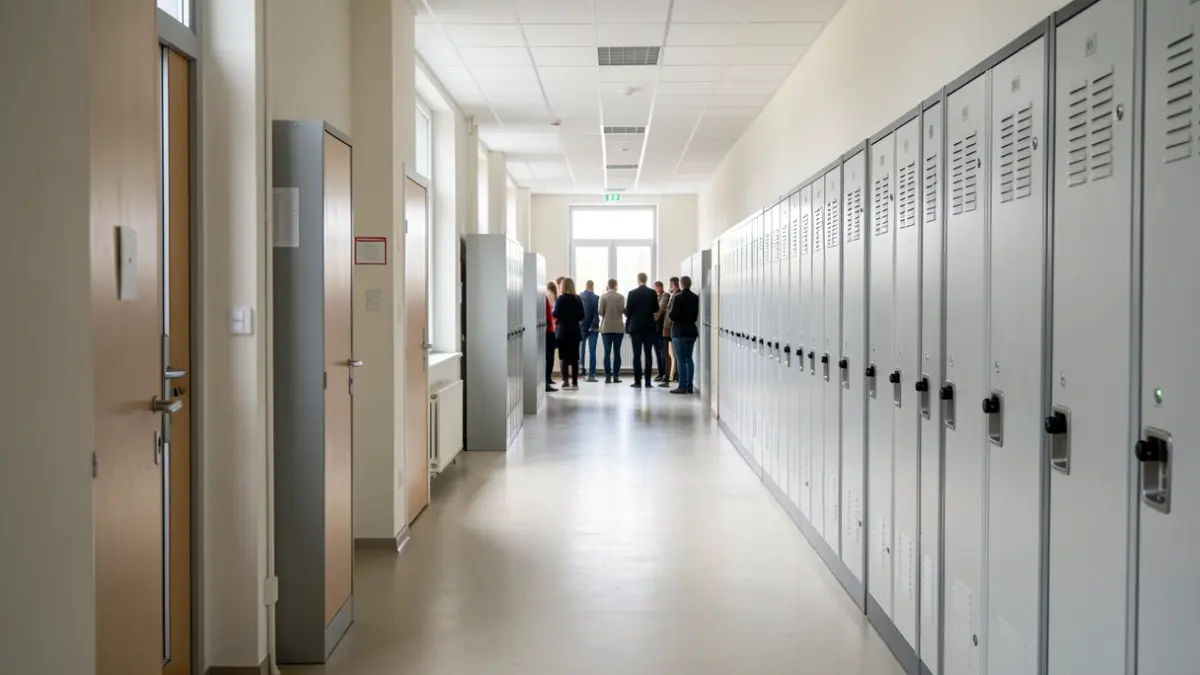
The project, which transforms these centers into CEIPSO, includes the elimination of 66 groups in Secondary Education Institutes (IES) for the 2026-2027 academic year. This restructuring aims to adapt the educational offer to the new distribution of students in schools.
To meet demand, 81 groups are expected to be created in schools, while institutes will retain 15 units to ensure schooling. The measure requires a total of 162 teachers, of which 132 will be relocated from other centers and 30 will be new hires.
The plan will continue a year later with the implementation of 2nd year of ESO, which will allow for the relocation of another 126 professionals and the hiring of 28 additional ones. With this expansion, the total number of authorized centers in the region will reach 101.
The regional government justifies this initiative as a strategy to reduce school dropout rates and facilitate family work-life balance. However, the measure has drawn criticism from educational sectors, which question the suitability of facilities in schools and the impact on teachers' working conditions.