These meetings, jointly organized by Metro and the Regional Transport Consortium (CRTM), focus on sharing the region's experience in key areas such as mobility planning, coordination between different transport modes, technological innovation, and infrastructure maintenance.
The Madrid subway system, which serves 2.5 million daily passengers, has hosted 32 groups, while another 17 delegations have visited other CRTM-managed facilities. This activity remains at levels similar to those recorded in 2025.
Among the visitors are representatives from railway operators and organizations from countries such as Kenya, Indonesia, Colombia, Peru, and Paraguay. Institutional delegations from Argentina, Morocco, and Peru have also participated, along with officials from Spanish and European public administrations.
The interest in Madrid's experience extends to the academic sphere. Universities, business schools, and vocational training centers from locations such as Peru, Maryland, Bogotá, and Antwerp, along with students from the Complutense University (UCM) and the School of Civil Engineering, have participated in these sessions specialized in mobility and engineering.
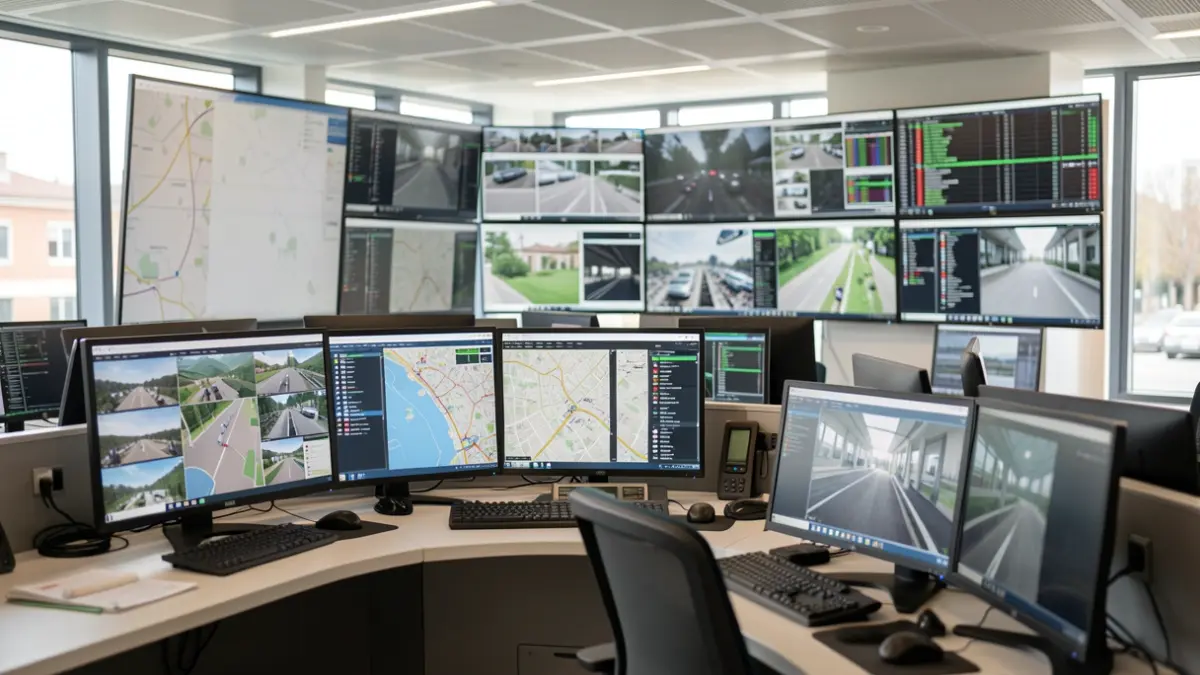
The Center for Innovation and Management of Public Transport (CITRAM) is a focal point of attention, from where all regional mobility is supervised in real-time. It centralizes data from 10,500 cameras, 6,000 passenger information panels, and the geolocation of 4,000 buses.
The transport hubs at Plaza de Castilla and Moncloa have also been highlighted for their architectural and operational design, facilitating the concentration and coordination of various transport modes.
The metropolitan company has drawn attention for the operation and maintenance of its infrastructure, used daily by 2.5 million passengers. The Central Workshops of Canillejas, a 40,000 square meter complex for the inspection and repair of rolling stock, is among the most requested sites.
Groups have also visited the Central Control Post, which monitors train circulation and coordinates incident responses, as well as the logistics center, the driving simulator, and the Fire Training Room for emergency preparedness.
These sessions underscore the knowledge and experience accumulated by the Community of Madrid in organizing mobility, emphasizing the integration of different modes, operational coordination, and the adoption of new technologies to serve millions of citizens daily.