Deputy Mayor, Inma Sanz, announced the service extension, which has a budget of 4.2 million euros. This agreement, set to begin on December 1st, is the final foreseen extension period for the contract that started in October 2023 and is managed by the Department of Works and Equipment.
The service covers the conservation, maintenance, and repair of ornamental hydraulic installations distributed across all districts of the capital. Fountains located within unique parks that have their own comprehensive conservation contracts are excluded.
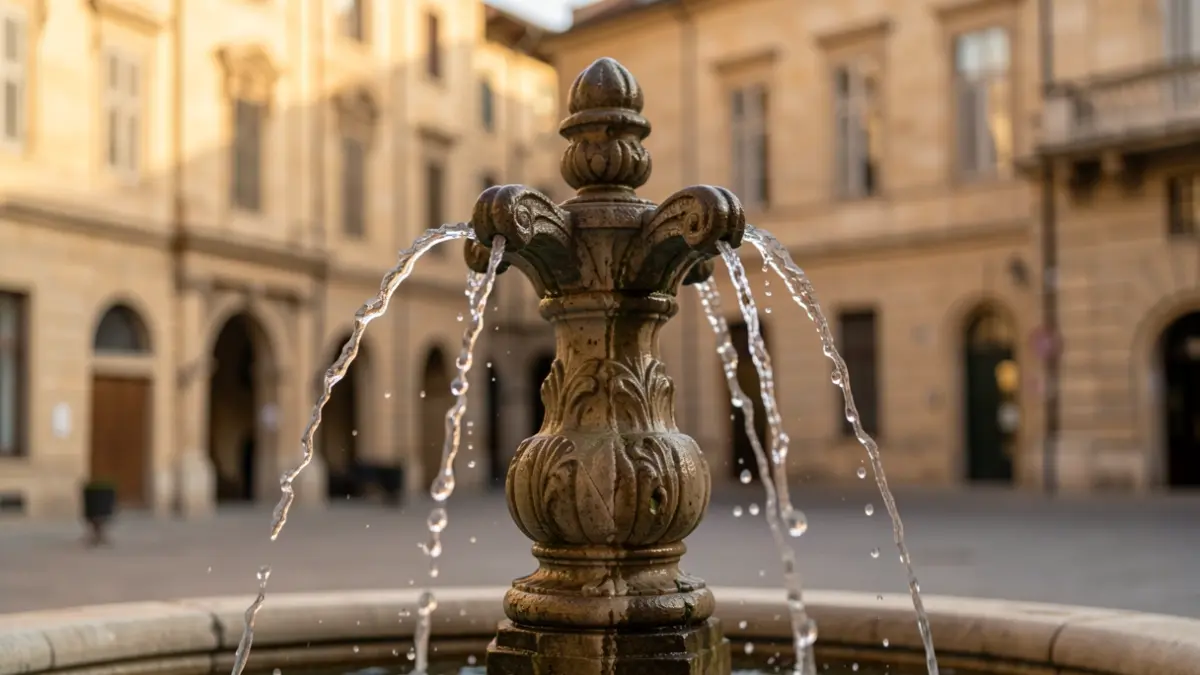
Included facilities feature large water surfaces with light and movement effects, such as those in Planetario and Pradolongo parks, as well as others with geysers, nozzles, diffusers, waterfalls, and lighting systems capable of configuring various color and shape scenarios.
“"Ornamental fountains are one of Madrid's distinctive features."
Sanz emphasized the significance of these fountains, which cover a total area of 160,268 square meters and hold nearly 77 million liters of water. Collectively, the 445 fountains are equipped with 14,147 lighting spotlights and 734 hydraulic pumps.
The installations utilize advanced management systems for water and energy consumption control via smart meters. They also incorporate mechanisms to optimize electrical usage, such as frequency converters and sensors, including anemometers, to adjust pump operation and jet height based on requirements.
The management of these systems is monitored from the Urban Installations Control Center, which, according to the City Council, enhances energy efficiency and operational control of the fountains. Operating schedules are adjusted according to the time of year.