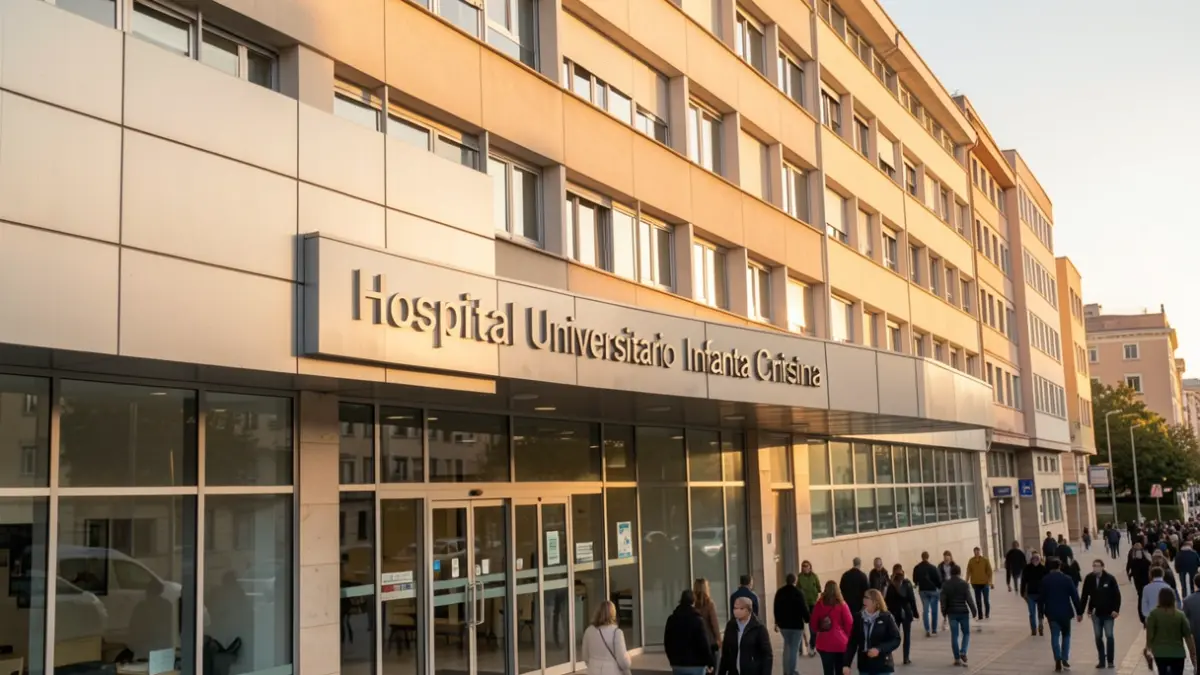

The decision, initially driven by specialists in Anesthesiology and Resuscitation at the 12 de Octubre Hospital and now extended to other services and centers, aims to pressure the Administration due to the absence of responses to their demands after months of mobilizations. According to the Amyts union, the measure has broad representation from professionals in various hospital areas of the region.
Essential healthcare activities such as on-call duties and transplants are excluded from this suspension, as they cannot be accommodated within regular working hours and are crucial for patient care. The initiative has been formally communicated, citing 'institutional mistreatment' as the trigger.
Ángela Hernández, general secretary of Amyts, has expressed the union's support for this pressure tactic, highlighting that 'peonadas' or management agreements are 'poorly' compensated and are used to try and alleviate waiting lists.
For its part, the Regional Ministry of Health has warned about the potential impact on healthcare activity. They estimate that over 210,000 consultations and approximately 10,500 surgical interventions have already been foregone during the days of mobilization. The minister, Fátima Matute, has called for an urgent solution from the Ministry of Health and criticized the lack of progress in state-level negotiations.
The physicians, through Amyts, reiterate their request to open a specific regional negotiation table with real capacity for agreement. Their demands include the creation of a specific Statute for doctors, improvement of working conditions, a reduction of the workweek to 35 hours, an increase in on-call compensation, limitation of temporary contracts, and a move towards voluntary on-call duties within five years.