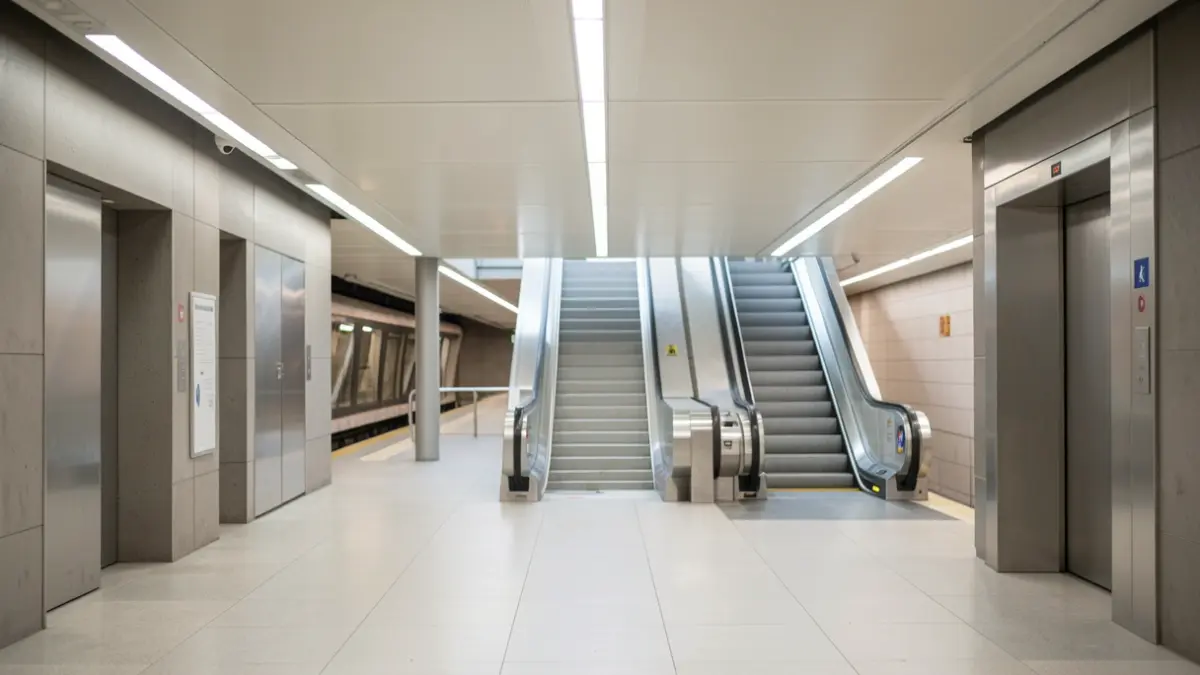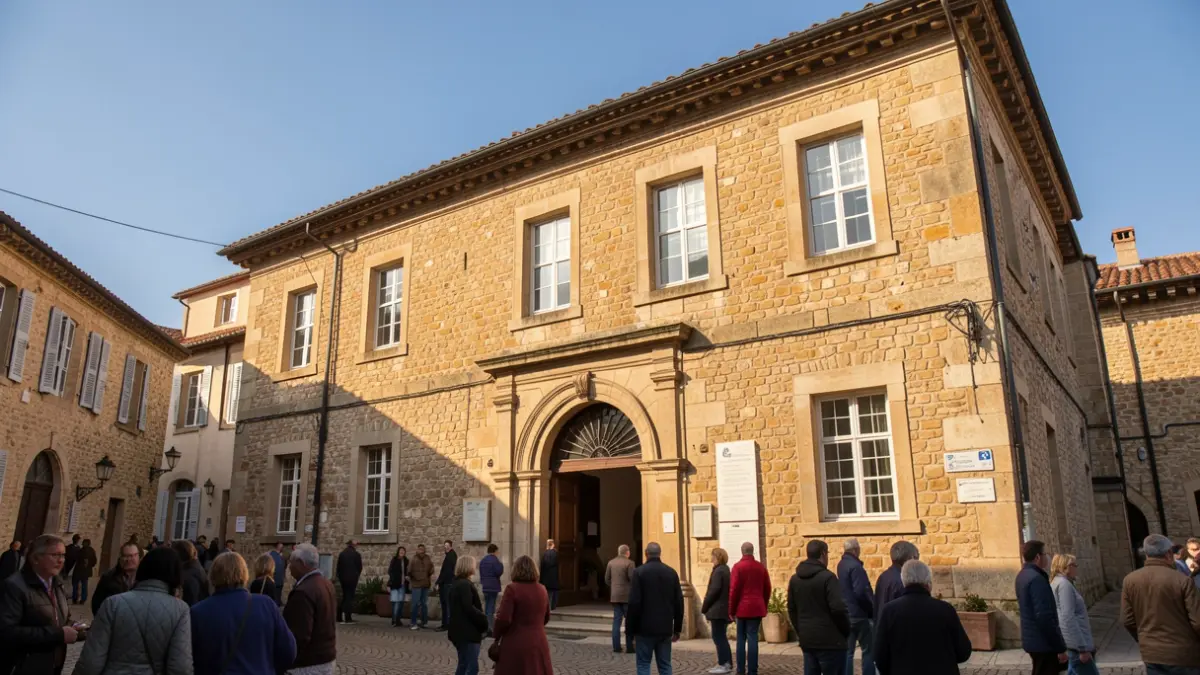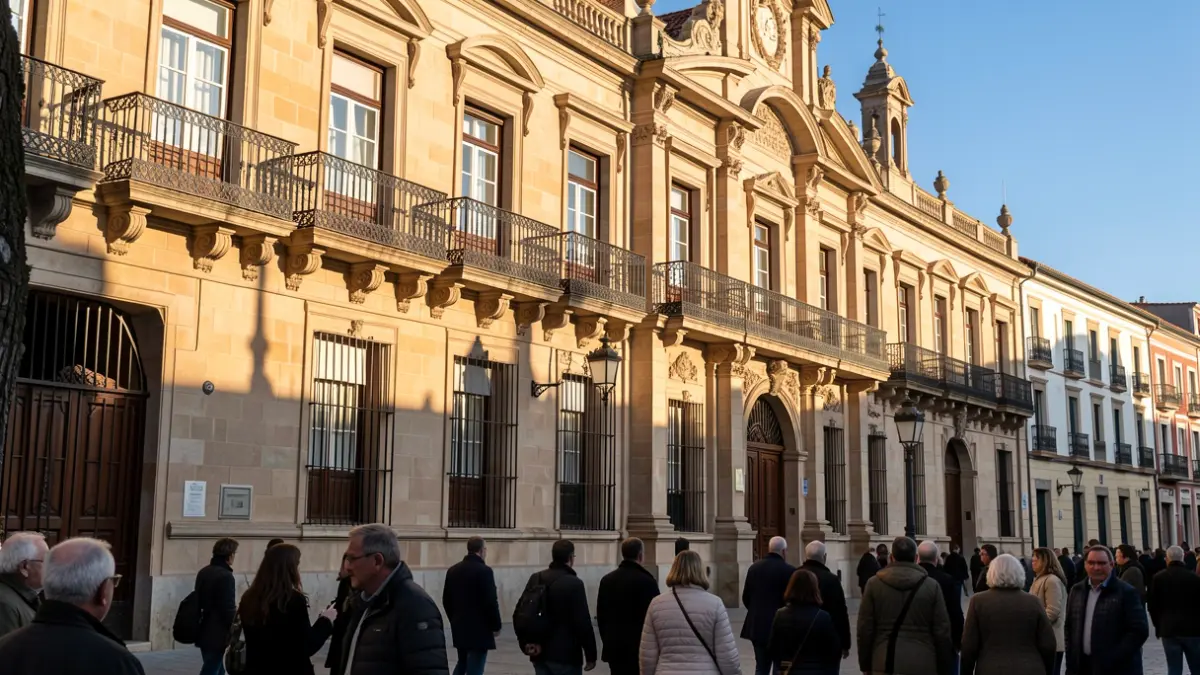
The program, promoted by the Ministry of Housing Policies, primarily seeks to foster the rehabilitation of Madrid's residential stock. The initiatives focus on enhancing the overall habitability, accessibility, safety, and energy efficiency of properties. This call for applications falls under Line 2 of the City Council's Strategic Subsidy Plan for 2024-2027, concentrating on improvements to public, commercial, and residential spaces, and supporting the development of Madrid's neighborhoods.
A notable addition to this edition is the beautification line, designed to enhance the urban appearance of buildings by addressing negative visual impacts on facades and roofs visible from public areas. This initiative will provide an additional 5% subsidy for energy efficiency measures, including interventions such as removing exposed wiring, relocating air conditioning units, concealing clotheslines, and standardizing awnings and shutters.
The grants will cover accessibility, conservation, energy efficiency, health, and safety improvements in residential buildings located exclusively within the municipality of Madrid. Applications can be submitted for projects not yet started, currently underway, or completed after January 1, 2026, provided they have the necessary urban planning permits and are published officially.
The Rehabilita Madrid 2026 Plan designates two operational areas: Special Urban Transformation Zones (ZETU), comprising areas with specific vulnerabilities, and Energy Rehabilitation Promotion Zones (ZIRE), covering the rest of the municipality. Eligible buildings must have been constructed before 1998, dedicate at least 70% of their above-ground area to housing, and possess a registered Building Evaluation Report.
Since its launch in 2020, the cumulative investment of the Rehabilita Plan, including this new call, will reach 318 million euros. This municipal program has facilitated interventions in over 110,000 homes, the installation of approximately 1,400 elevators, and the removal of asbestos from more than 5,600 residences. Furthermore, it has helped prevent the annual emission of around 28,000 tons of CO2 and reduce energy consumption by over 118 million kilowatt-hours per year, promoting a more sustainable city.
The Rehabilita Plan has become a cornerstone of the mayor's housing initiatives, receiving over 15,800 processed applications and benefiting nearly 250,000 residents. Through this latest edition, the City Council reaffirms its commitment to enhancing residential quality and promoting more accessible, secure, and efficient buildings across Madrid.