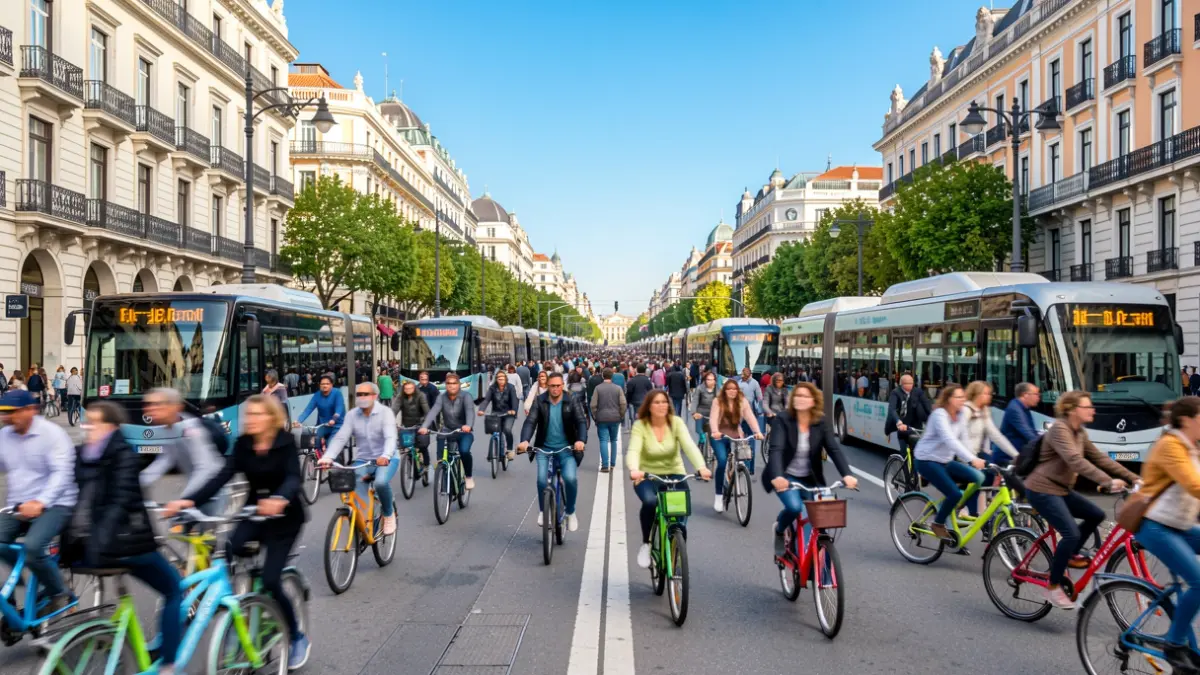
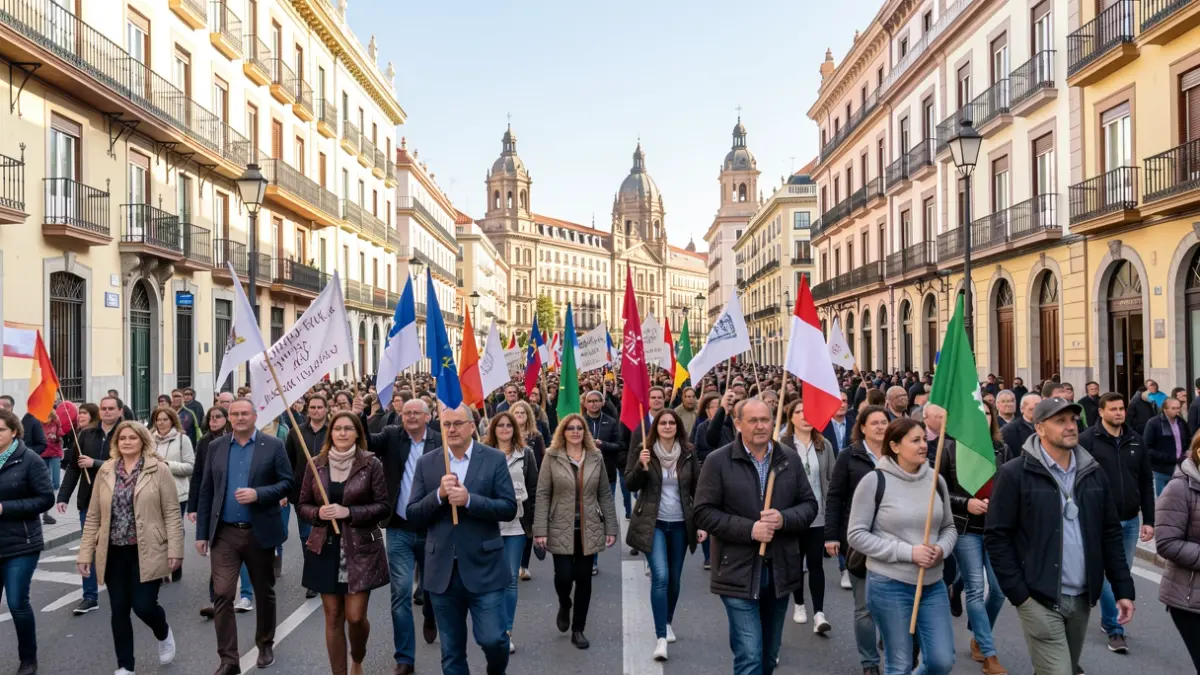
Events will begin at 7:00 PM with a festive march from Puerta del Sol to Plaza del Callao, along Preciados street. A brass band will lead the procession, where neighborhood associations will highlight past achievements and current demands. In a symbolic gesture, the Government delegate, Francisco Martín, will receive participants at the end of Preciados, something that could not happen in 1976 when the civil governor prohibited the march from reaching Plaza del Callao.
At Plaza del Callao, a tribute ceremony will be held, hosted by journalist Macarena Berlín. Speakers will include protagonists from that 1976 day, such as neighborhood leaders Pepe Molina and Paca Sauquillo, photojournalist César Lucas, filmmaker Tino Calabuig, and Milagros Hernández and Maxi Novillo, who were young at the time and deeply marked by the event.
Authorities participating will include the commissioner for the commemoration of 50 years of Spain in Freedom, Carmina Gustrán; the Government delegate in Madrid, Francisco Martín; and the councilor president of the Centro district of the Madrid City Council, Carlos Segura. The speeches will be closed by the presidents of FRAVM, Jorge Nacarino, and the State Confederation of Neighborhood Associations (CEAV), Julio Molina. Brief speeches will be interspersed with performances by singer-songwriters Luis Pastor and Pedro Pastor, and the day will conclude with a concert by the ska group Alameda de Osoulna.
Numerous historical neighborhood leaders, former mayors of Madrid such as Juan Barranco, authorities from the National Police and Municipal Police, councilors from various municipalities in the region, and representatives of trade unions, social, and political organizations are expected to attend.
“"On June 22, 1976, more than 50,000 people marched down Madrid's Preciados street to protest against the 'rise in the cost of living', demand the legalization of neighborhood associations, and defend 'citizens' rights'."
That demonstration, a symbol of Spain's Transition, was organized by the then Provincial Federation of Neighborhood Associations of Madrid, now FRAVM, and other collectives. Although it ended with police charges, it was the first major citizen mobilization previously authorized by the Directorate General of Security after the dictator's death.
The march was a consequence of the repression suffered during a festive day in Aranjuez on May 16, 1976, where dozens of Civil Guards charged against attendees after a statement was read demanding democracy and freedoms. This brutality spurred the organization of Citizen Week, which culminated in the Preciados demonstration.
Following the success of the Preciados demonstration, the neighborhood movement consolidated, leading to the legalization of many associations and the approval of the Amnesty Law months later.