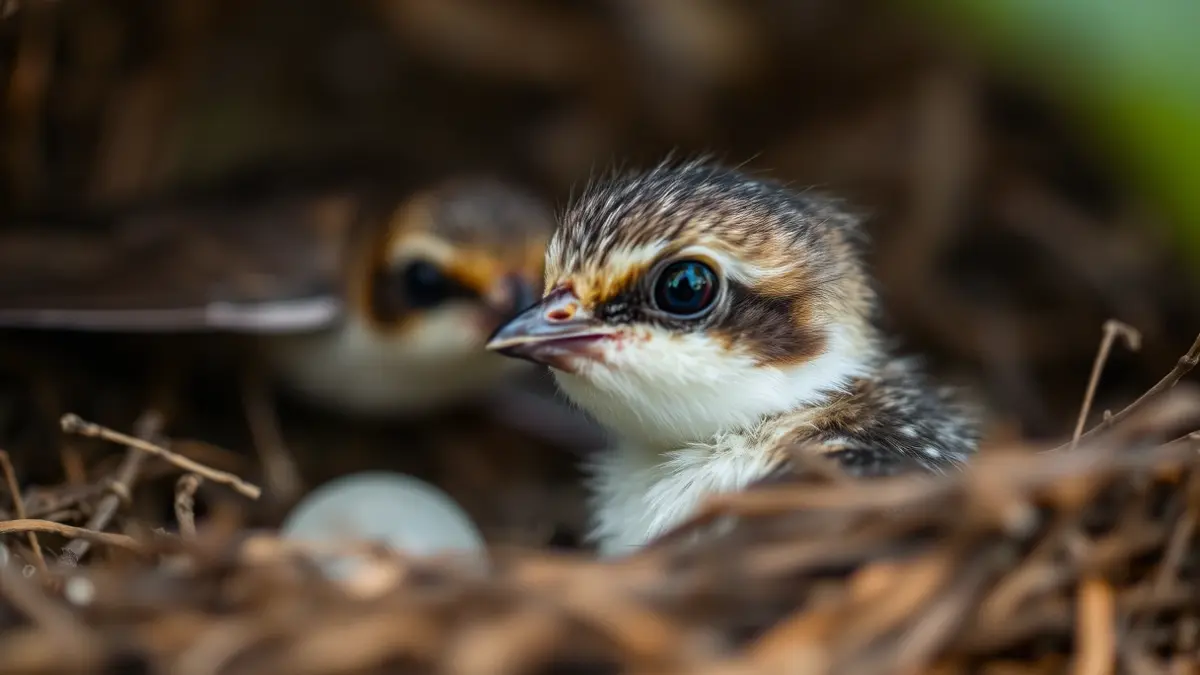
In 2025, a total of 1,332 common and pallid swiftlet chicks were reintroduced in the Cuzco area of the capital, a region known for its significant urban swiftlet colony. These birds had been rescued and cared for at the Félix Rodríguez de la Fuente Wildlife Recovery Center (CRAS) after falling from their nests during spring, a common occurrence before they learn to fly.
The success of this initiative is attributed to the method known as fostering. This practice involves placing rescued chicks into nests that already contain similarly developed young, allowing adult swiftlets to adopt and raise them as their own. This ensures the chicks receive proper nutrition and develop essential wild skills alongside other swiftlets.
“"The results have been particularly positive: the survival rate has reached 97.37%, a very high figure for this type of intervention."
The birds typically arrive at the center in an immature state, often due to falls caused by high temperatures, as their nests are located on building roofs exposed to solar radiation. Last year, the CRAS recorded 1,547 swiftlet admissions, primarily concentrated in June and July, where they received specialized care before their recovery and subsequent release.
The releases took place in public buildings across the capital, including the headquarters of the Ministry of Economy, Trade and Enterprise; the Ministry of Industry and Tourism; and the Ministry of Science, Innovation and Universities. This effort is a collaboration with wildlife experts from the Community of Madrid, who have been working with the state administration since 2020 to protect urban biodiversity.