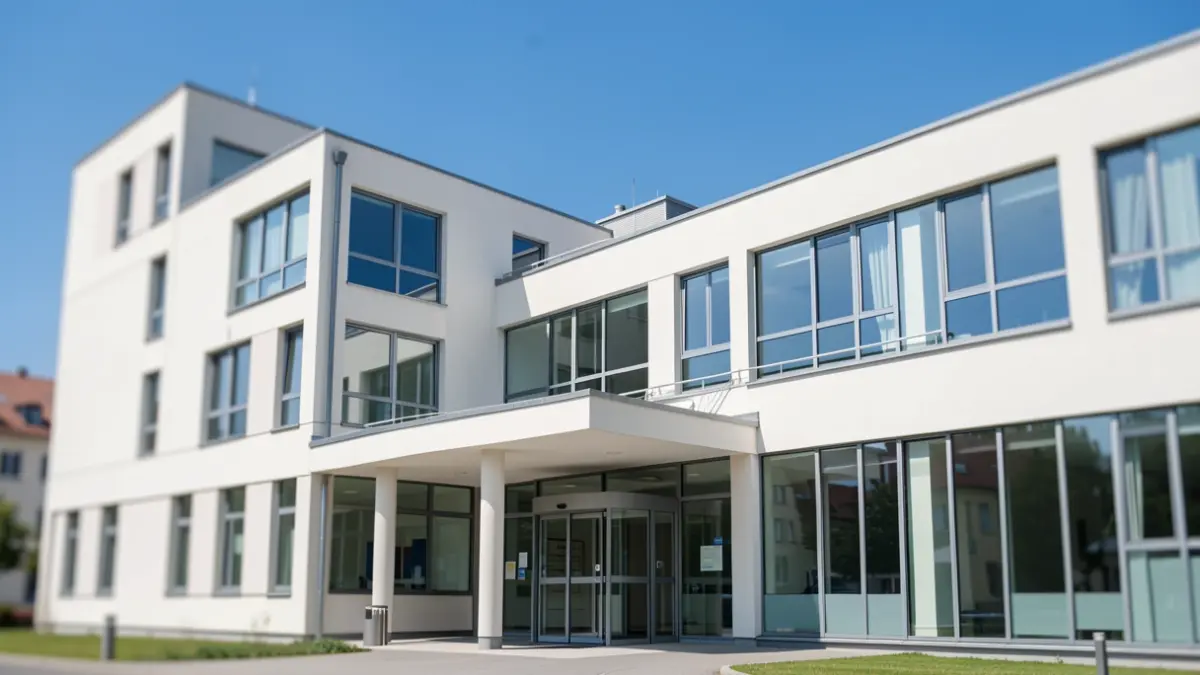
The Doctor Rodríguez Lafora University Hospital, a specialized mental health center within the public healthcare network of the Community of Madrid, has approved a pioneering protocol aimed at protecting its most vulnerable patients from heatwaves. This protocol outlines preventive measures and action procedures for extreme heat situations.
Factors such as cognitive impairment, functional dependency, reduced mobility, existing medical comorbidities, and psychopharmacological treatments received by the center's patients make it difficult for their bodies to regulate core temperature adequately. This necessitates particularly close clinical monitoring during adverse summer weather events.
The procedure specifically identifies patients who are particularly vulnerable to heat: those with cognitive impairment, functional dependency, or reduced mobility; those with medical comorbidities such as heart disease, COPD, diabetes, or kidney disease; individuals over 65 years old or with severe mental disorders; and those exhibiting disorganized behaviors or limited awareness of their illness, which may hinder their ability to perceive or communicate warning symptoms.
The new protocol aims to unify the action criteria for all healthcare professionals, enable early identification of high-risk patients, and establish organizational, care-related, and infrastructural measures to prevent heat-related complications.
Four levels of action are outlined, to be activated based on meteorological conditions, indoor hospital temperatures, or issues related to air conditioning. Each level incorporates specific measures primarily focused on protecting identified vulnerable patients, as well as other patients and staff.
Actions include reinforcing hydration, close clinical monitoring of the most vulnerable patients, adapting care activities, establishing cool zones, continuous monitoring of ambient temperature, and, in more complex scenarios, activating the Hospital's Contingency Plan and reorganizing care resources.
The plan also includes an evaluation system based on structure indicators (related to maintenance and supplies), process indicators (assessed by unit supervisors), and outcome indicators (reviewed by Management), to analyze compliance and identify areas for improvement for future summer periods.
Through this initiative, the Dr. Rodríguez Lafora University Hospital continues to advance its commitment to clinical safety, quality of care, and prevention, providing a tool for a coordinated, effective response tailored to patient needs during extreme heat episodes.